

Agentic AI just went from demo to doer, and I felt it today. Agentic AI is finally acting on real tasks, not just chatting about them, and the updates that landed on March 24, 2026 make it obvious.
Quick answer: If you want fast wins this week, start with tiny, reversible automations on your own machine, keep permissions tight, and let an agent propose fixes to your spreadsheet or CRM before you approve. Stand up a simple front-door assistant to triage inquiries. Cloud-scale hardware like Nvidia’s new system means these agents will only get faster, so build the habits now.
I start with tiny, reversible automations on my own machine, keep permissions tight, and let an agent propose fixes before I approve.
Claude can actually use your computer
What changed today
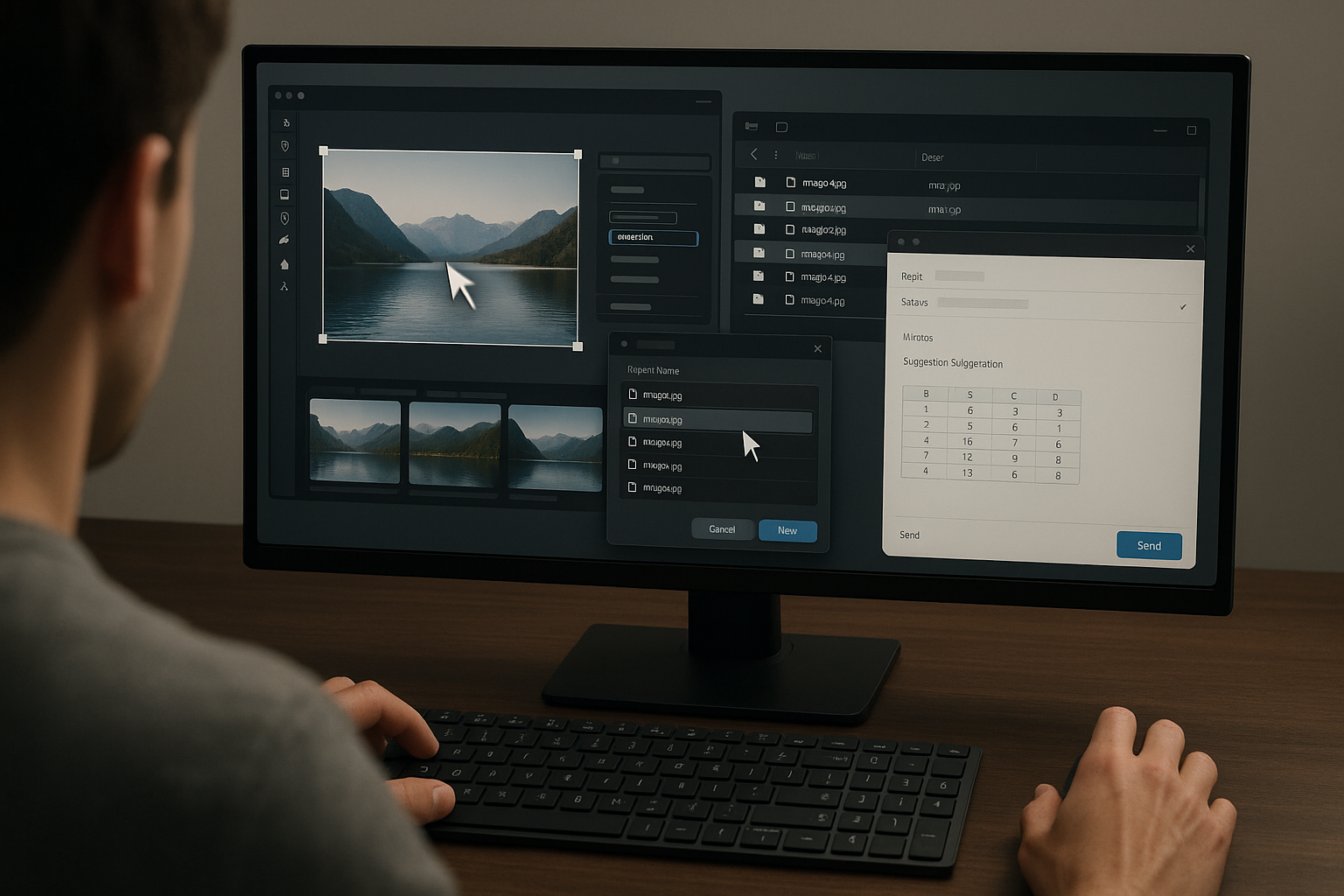
PetaPixel reported on March 24, 2026 that Anthropic’s Claude can operate desktop apps, like saying “resize these photos” and it just does the clicks in Photoshop. I’ve been waiting for this exact upgrade because it moves us from telling an AI how to work to telling it what outcome we want. Here’s the report.
Why it matters to me
This feels like the jump from a smart intern to a reliable assistant. I don’t need to script every step. I can speak plain English and let the agent handle the repetitive click-paths I already know by heart. If you juggle marketing, design, or solo-creator work, this is how you steal back hours.
How I’d try it first
- Batch image tweaks or file renaming in a throwaway test folder
- Spreadsheet cleanup on a duplicate copy I can revert
- Draft emails saved for review instead of sending
I keep the loop tight: short instructions, watch the first run, correct, then expand the scope. That habit builds trust and avoids regrets.
I keep the loop tight with short instructions, watch the first run, correct, then expand the scope.
Oracle is bringing agentic AI to business data
The enterprise signal
Also on March 24, 2026, Oracle launched agentic AI tools aimed at enterprise data management. In normal language, that means prebuilt agents that can fetch, transform, and act on your business data with policy guardrails already in place. If connecting an AI to “the real stuff” has felt risky, this is the on-ramp.
How I’d use it
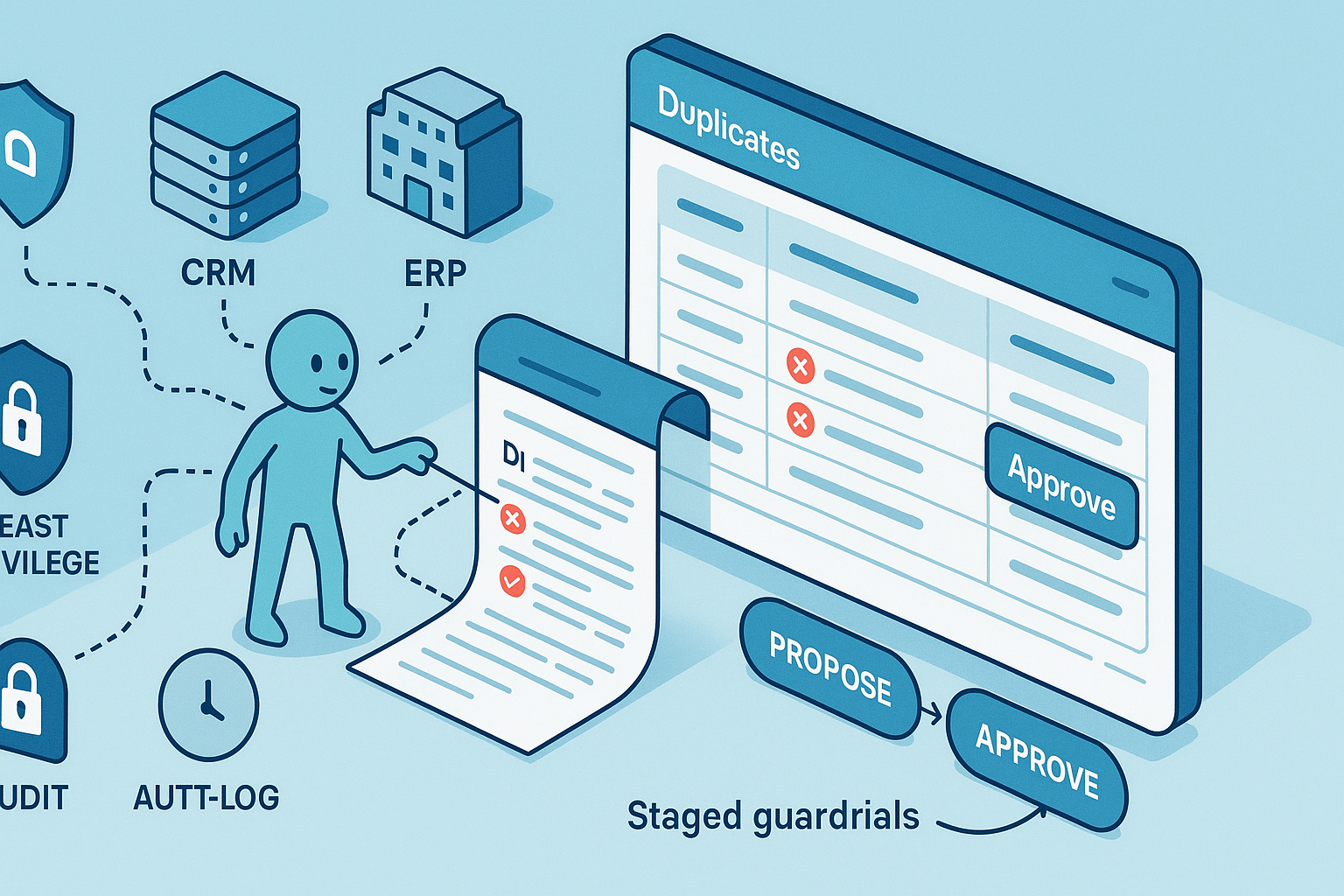
I’d start with a tiny ops helper: pull a list of stale records, flag likely duplicates, propose fixes, and park everything in a simple approval step. Keep me in the loop first. As it proves itself, I move from propose to auto-fix with logging. Paper trail beats panic.
I start with a tiny ops helper that proposes fixes, then move to auto-fix with logging only after it proves itself.
Security finally has a playbook
Cisco’s framework landed today
On March 24, 2026, Cisco published a security framework for adopting AI agents in the enterprise, which is exactly what security teams have been asking for: least-privilege access, auditable actions, policy checks, and identity controls. That turns security from a blocker into an enabler. Read the coverage.
The lightweight version I run at home
I give agents their own accounts with minimal permissions. I start read-only and only allow writes after a human check. I keep logs together so I can rewind a bad step, and I decide the rollback plan before any agent touches production data. You don’t need fancy tools to do this. Shared drives, version history, and a small checklist go a long way.
I don’t need fancy tools to do this; shared drives, version history, and a small checklist go a long way.
Banks are going live with retail agents
Why that matters
Starling Bank rolled out a retail agentic AI assistant on March 24, 2026. Banks are conservative by design, so shipping a customer-facing assistant is a strong trust signal. The pattern is simple and replicable for a team of one: answer common questions, handle routine tasks, route edge cases to a human with a tidy summary. You can feel bigger without the call center.
Under the hood: Nvidia built a 2-ton agentic AI system
What it tells me
Fast Company reported today, March 24, 2026, that Nvidia built a 2-ton system to power multi-step, tool-using agents. That’s not a laptop. It’s a reminder that the best capabilities will show up in the cloud first, with fatter context windows and more parallelism. Agents will keep more threads in their head and drop fewer balls. Here’s the piece.
What to do about it
Don’t buy heavy hardware. Rent power in the cloud for big jobs, run small models locally for private or latency-sensitive tasks, and go hybrid as usage grows. Start hosted now. Optimize later if you actually need it.
I rent power in the cloud for big jobs, keep small private tasks local, and go hybrid as usage grows.
What I’d do this week if I were you
Pick a 30-minute task you hate and hand it to an agent in a sandbox. Add a simple security habit like a separate low-permission account and a change log. Wire one data workflow where the agent proposes fixes and you approve. Stand up a front-door assistant that greets, gathers context, and drafts replies for your review. Then reflect on where it stumbled and tighten your instructions once.

FAQ
What is agentic AI in plain English?
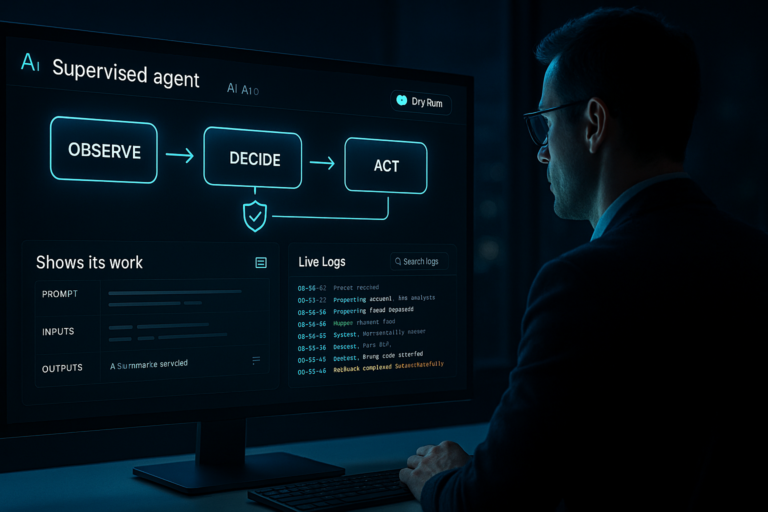
Agentic AI is a system that does tasks for you, not just chat. It can plan steps, use tools, and take actions like clicking through apps or editing a spreadsheet. Think of it as a capable assistant you supervise, not a chatbot you babysit.
Is agentic AI safe to connect to my data?
It can be, if you set boundaries. Start with read-only access, keep logs, and require approvals before writes. Cisco’s new framework points to proven patterns like least privilege and auditable actions, which you can mirror at small scale.
Do I need new hardware for agentic AI?
No. Use cloud resources when you need heavy compute and keep smaller private tasks local. Nvidia’s 2-ton system signals that cloud options will keep getting stronger, so you can rent power on demand instead of buying it.
What’s an easy first win with agentic AI?
Batch work you already understand. Have an agent rename files, clean a duplicate spreadsheet, or draft emails for review. The goal is a reversible test that builds trust and shows a clear time savings.
How do I avoid costly mistakes?
Keep instructions short, review early runs, and expand scope slowly. Use separate low-permission accounts, maintain a change log, and define a rollback before anything touches production. Boring guardrails beat exciting disasters.
My quick take
Today tied the story together for me. Claude moving from chat to clicks shows agents can finally act. Oracle’s push into data means real workflows are next. Cisco’s framework gives green lights with guardrails. Starling going live proves customers are ready. And Nvidia’s 2-ton machine says this phase is just getting started. Keep your scope tiny, your guardrails obvious, and your wins visible. That’s how agentic AI compounds fast.