

Agentic AI just had a real moment on March 24, 2026. I made coffee, skimmed the news, and realized the stack got faster, safer, and way more practical in a single morning.
Quick answer: On March 24, 2026, Oracle, Arm, NVIDIA, Botify, and Databricks each shipped pieces that make Agentic AI usable today: workflow-ready agents, cheaper compute, hands-on agent patterns, structured feeds, and security logging. If you start with one boring workflow, add structure, and log every action, you can ship a safe, useful agent this week.
I start with one boring workflow, add structure, and log every action so I can ship a safe, useful agent this week.
Oracle pushes agents into real enterprise workflows
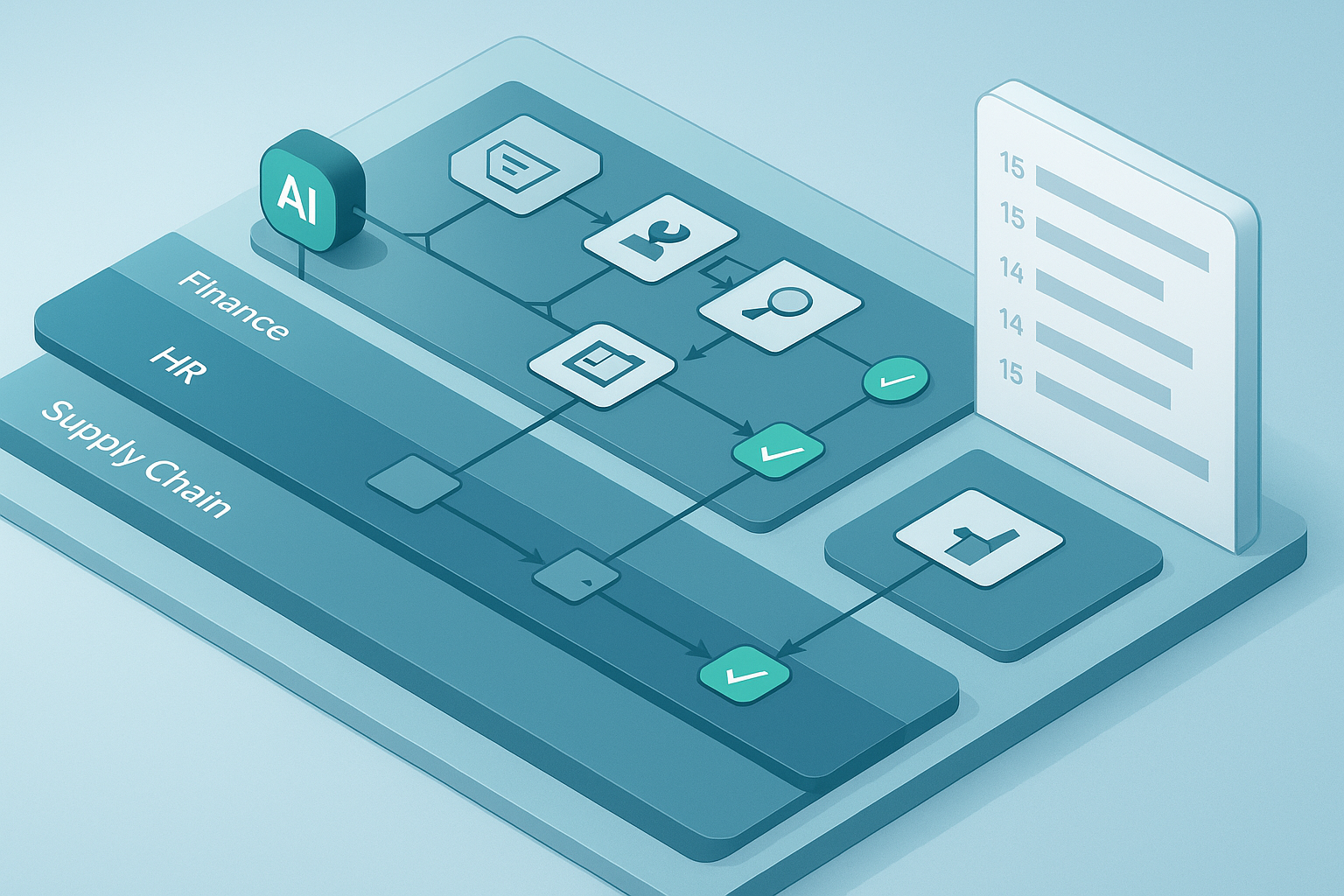
On March 24, Oracle launched Fusion Agentic Applications and expanded its AI Agent Studio to operationalize finance, HR, supply chain, and CX. The headline for me: agents are moving from cute copilots to accountable doers inside systems of record. You can read the announcement on ERP Today.
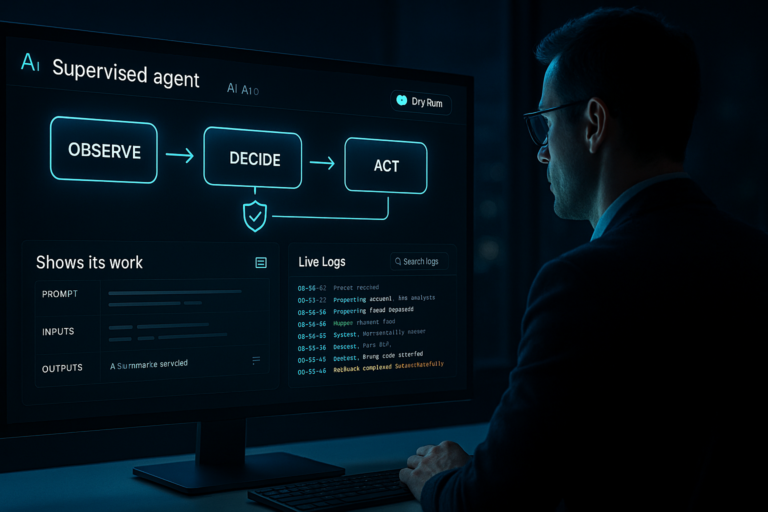
How I would use it this week: pick one recurring task with clear guardrails, like invoice to approval or ticket to escalation. Wrap it in an agent loop that plans steps, calls tools, verifies results, then logs decisions. If you are on Oracle, test Agent Studio. If not, copy the pattern in your stack and keep an audit trail.
Arm shows its hand: silicon for the agentic era
Also on March 24, Arm announced its AGI CPU aimed at cloud-scale agent workloads. In plain English, chips are getting tuned for agents that juggle memory, context, and tools, not just single-shot prompts. Expect better throughput, more parallel sub-tasks, and a lower cost per action.
What this unlocks soon
I am watching for cloud instance types tuned for agent sessions and frameworks that keep agents alive longer without flaky timeouts. When those land, multi-step automations should feel smoother with fewer random stalls.
I expect multi-step automations to feel smoother with fewer random stalls as agent-tuned instances land.
NVIDIA drops practical building blocks for real agents
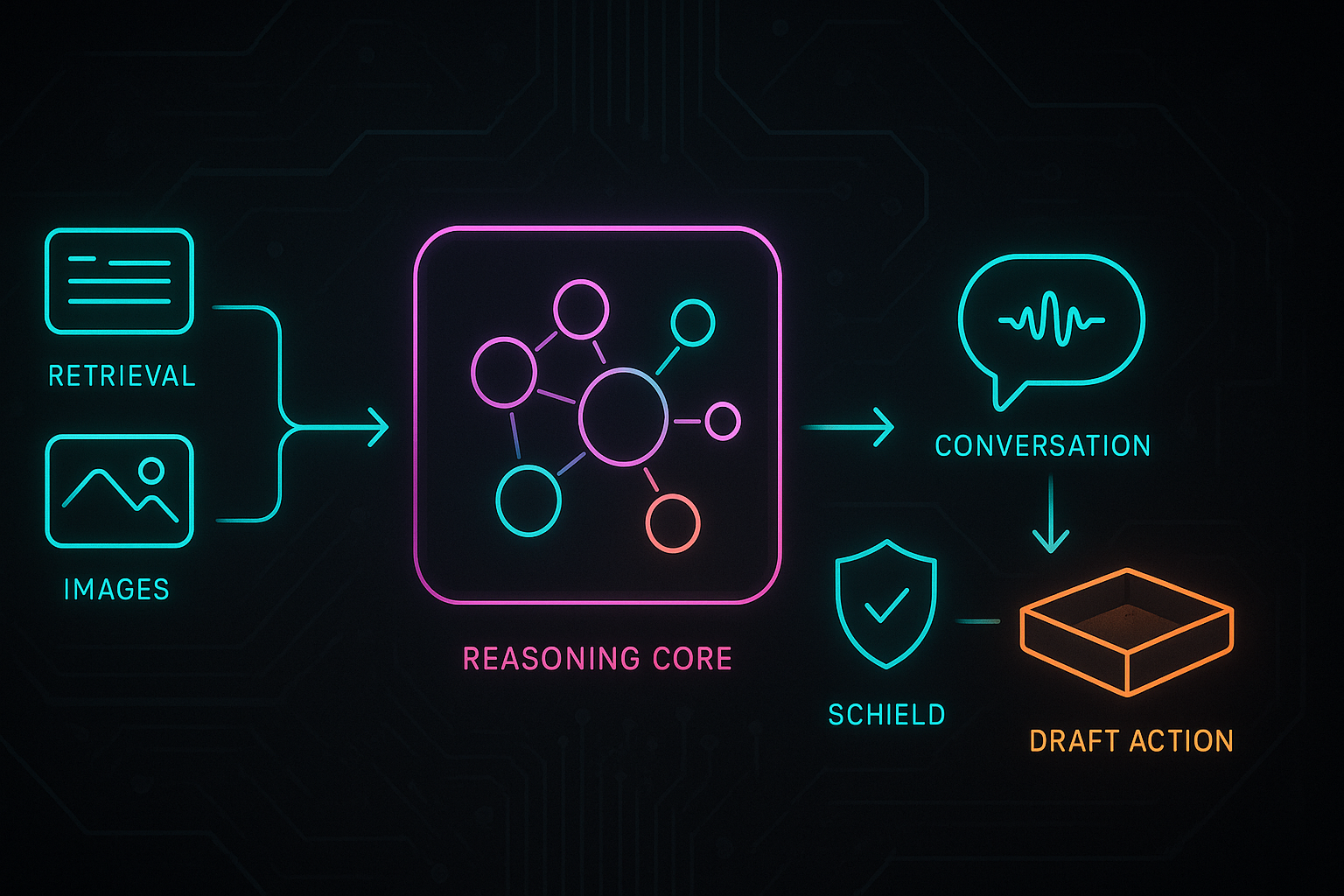
NVIDIA’s March 24 technical post walks through building Nemotron 3 agents for reasoning, multimodal RAG, voice, and safety. This is exactly the kind of guide I learn from because it chains the pieces end to end: retrieve context, reason over it, converse, and add safety checks. The walkthrough is on the NVIDIA Technical Blog.
Botify points to a shift from search to agent-driven discovery
Botify announced Agentic Feeds on March 24 to power agent-driven discovery. Translation: agents want clean, action-ready data, not scraped pages. If you want your products, pricing, or articles to be usable by agents, ship them in structured feeds that expose IDs, availability, and last updated. The press note is on Business Wire.
What I would do right now: tighten schema.org, publish a minimal JSON feed for your top items, and make freshness obvious. A stable ID and a timestamp go a long way.
I publish a minimal JSON feed with stable IDs and clear timestamps so agents can use my data right away.
Databricks pushes security into agent ops with Lakewatch
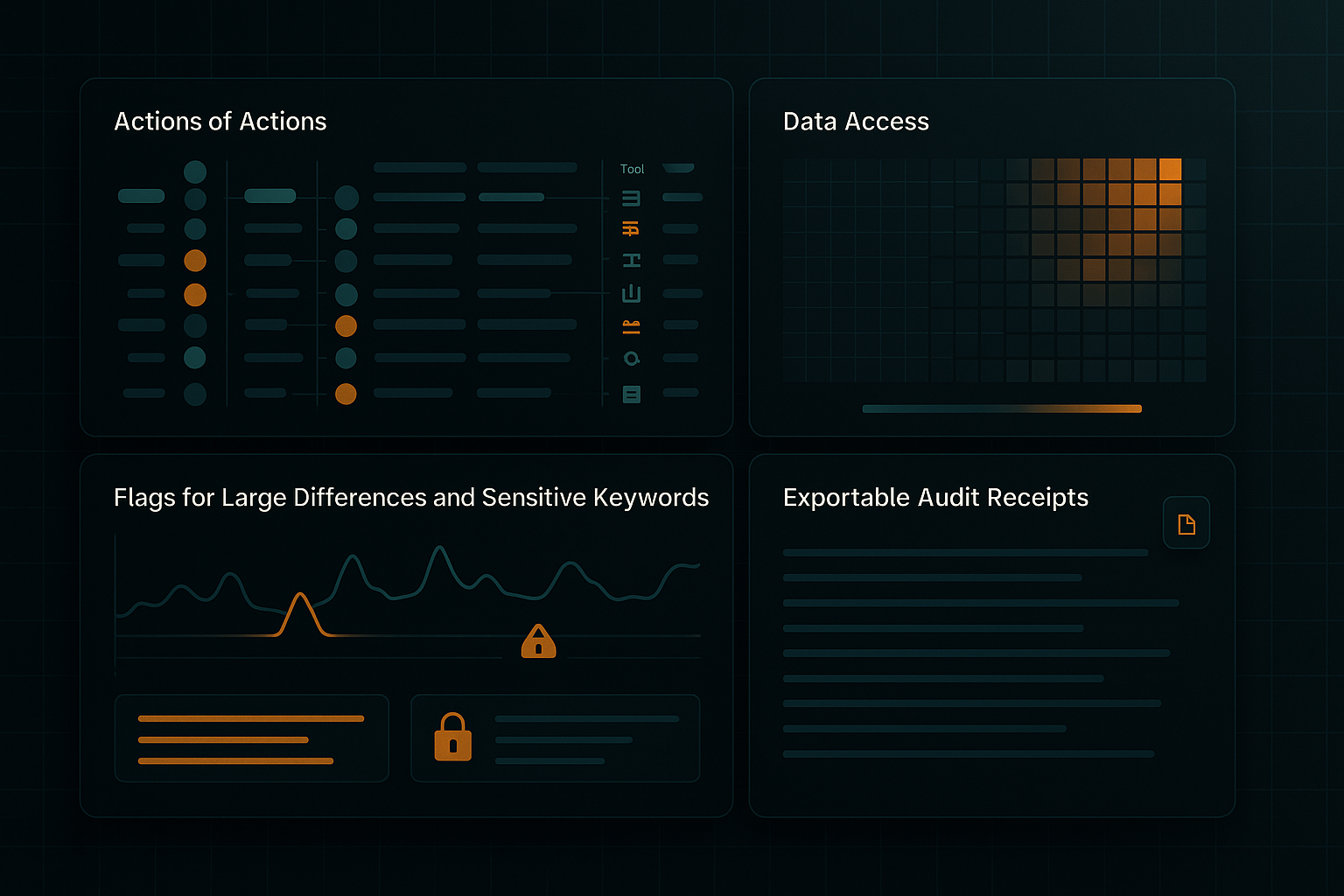
Security is where a lot of agent dreams go to die. Databricks launched Lakewatch on March 24 as an agentic SIEM that treats agent behavior like first-class telemetry. Even small automations need receipts: who did what, with which data, using which tool, and why. Add a simple audit log to every action and review it weekly. You do not need an expensive SIEM to start that habit.
My 90-minute starter project
I spun up a tiny agent against my notes to practice the loop end to end. Here is the exact scope I would use this weekend.
- Ingest: index 10 pages or PDFs I care about.
- Reason: answer 3 real questions, then self-critique on sources, tone, and next step.
- Act: draft a follow-up email or Jira ticket and save it to a sandbox folder, no sending yet.
That one loop teaches retrieval, reasoning, and a safe action you can later wire to a live tool.
I use that one loop to learn retrieval, reasoning, and a safe action I can later wire to a live tool.
How I would stack this into one useful build
Pick a single, boring workflow
Weekly content refresh is my go-to. Take three top pages, check for staleness, suggest updates, and stage a draft pull request. It maps cleanly to Oracle’s workflow-first framing without needing their stack.
I start with a weekly content refresh because it maps cleanly to a workflow-first framing without needing vendor lock-in.
Structure your data like an Agentic Feed
Create a tiny JSON endpoint for your pages with id, url, title, last_updated, and tags. This mirrors the Botify mindset and makes retrieval cleaner. A static file in your repo is fine.
Build a Nemotron-style loop
Chain retrieval, reasoning, self-critique, and draft output. Pull page content and related notes, have the agent spot freshness issues, then generate a markdown diff in a sandbox folder.
Add a safety and audit layer
Before writing files, have the agent produce a brief decision record that explains what changed, why, and what sources it used. Log inputs, tool calls, and output snippets to a CSV or lightweight database. If a diff is too large or touches sensitive keywords, stop for review.
Plan for the hardware curve
You do not need new Arm AGI CPUs to start, but costs and speed should improve as clouds roll out these instances. Design agents to run in short, resumable chunks so you can swap infrastructure later without rewriting logic.
What this means if you are starting today
Design for action, not just answers. The world is moving from chat to do. Start small, but finish with an output you would actually ship after review.
Structure is leverage. Clean inputs and clear steps make Agentic AI far more reliable. Even a humble JSON file beats scraping your own site.
Log everything. If you cannot answer who did what and when, your automation cannot graduate to real work. Treat logs as your safety net and your learning engine.
FAQ
What is Agentic AI in simple terms?
Agentic AI is software that acts toward a goal instead of only chatting back. It plans, uses tools, checks its work, and continues until the task is done. Think email triage that really sends replies or security that actually contains a threat.
Why was March 24, 2026 such a big date?
Multiple vendors shipped key pieces on the same day. Oracle pushed workflow agents, Arm outlined agent-optimized CPUs, NVIDIA shared hands-on agent recipes, Botify launched structured feeds, and Databricks emphasized security and logging. Together they make building real agents much easier.
Do I need new hardware to start?
No. You can begin on your current cloud or laptop. Just design agents to run in short, resumable chunks so you can adopt Arm-backed instances later without rewrites as they become available.
How do I keep Agentic AI safe for my data?
Use clear guardrails, validate intermediate steps, and log every action. Start with read-only integrations, keep drafts in a sandbox, and require manual review for sensitive changes or large diffs.
What is the fastest project for a beginner?
Index 10 pages you own, answer three real questions with sources, and have the agent draft one follow-up action you can review. You will learn retrieval, reasoning, safety, and output in under two hours.