


Agentic AI for beginners just got real
Agentic AI for beginners finally clicked for me after what landed on March 24, 2026. It was not hype. It was practical tools in places I already work: my IDE, my CRM, my infra runway, and my data guardrails.
Quick answer: On March 24, 2026, JetBrains shipped a platform for coding agents inside its IDEs, Salesforce brought Agentforce to SMBs, Arm unveiled a 136-core AGI CPU tuned for agent workloads, and Immuta launched governed data provisioning for agents. If you start with one tight workflow and clear handoffs, you can see ROI this week without rebuilding your stack.
I start with one tight workflow and clear handoffs so I can see ROI this week without rebuilding my stack.
JetBrains just made coding agents feel usable
What shipped
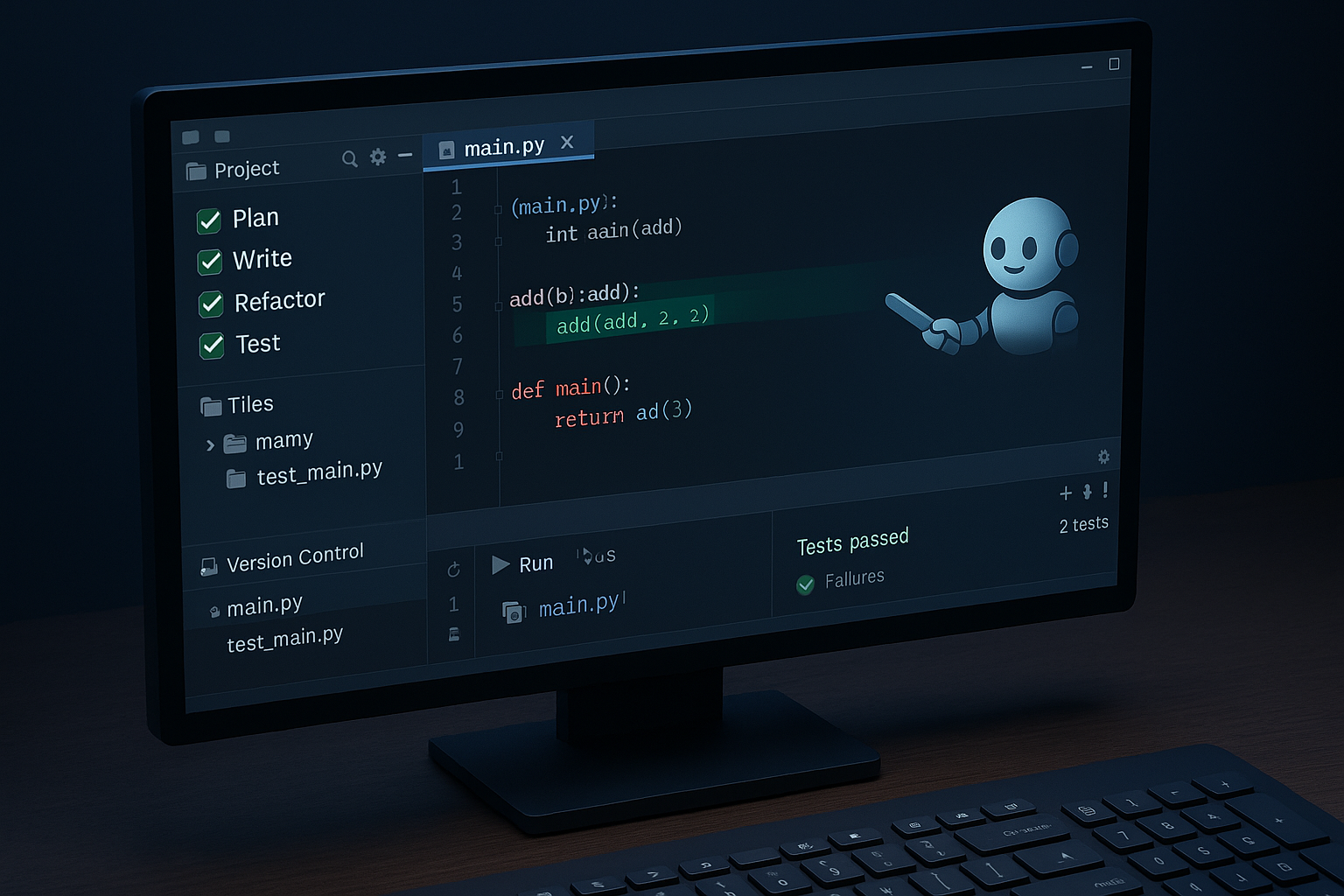
JetBrains rolled out a platform to manage AI coding agents inside the IDE environment many of us live in. Think IntelliJ, PyCharm, WebStorm. It is not just another autocomplete. It is orchestration for helpers that plan, write, refactor, test, and iterate where your code, tests, and VCS already sit. This was reported on March 24, 2026 in an InfoWorld piece.
Why it matters
Most agent demos crumble when they hit a real repo. JetBrains stitched agents into the guardrails I already trust: project context, version control, testing hooks. That means multi-step tasks can run end to end without wrecking my diffs or my day.
I let agents run multi-step tasks end to end only when they keep my diffs clean and my day intact.
How I’d start
I give an agent one boring task and let it own it: generate tests for a utils file, add docstrings to public functions, or migrate a tiny module to a new API. If I cannot explain the diff in one paragraph, the scope is too big.
Salesforce made agents feel like an SMB feature
What shipped
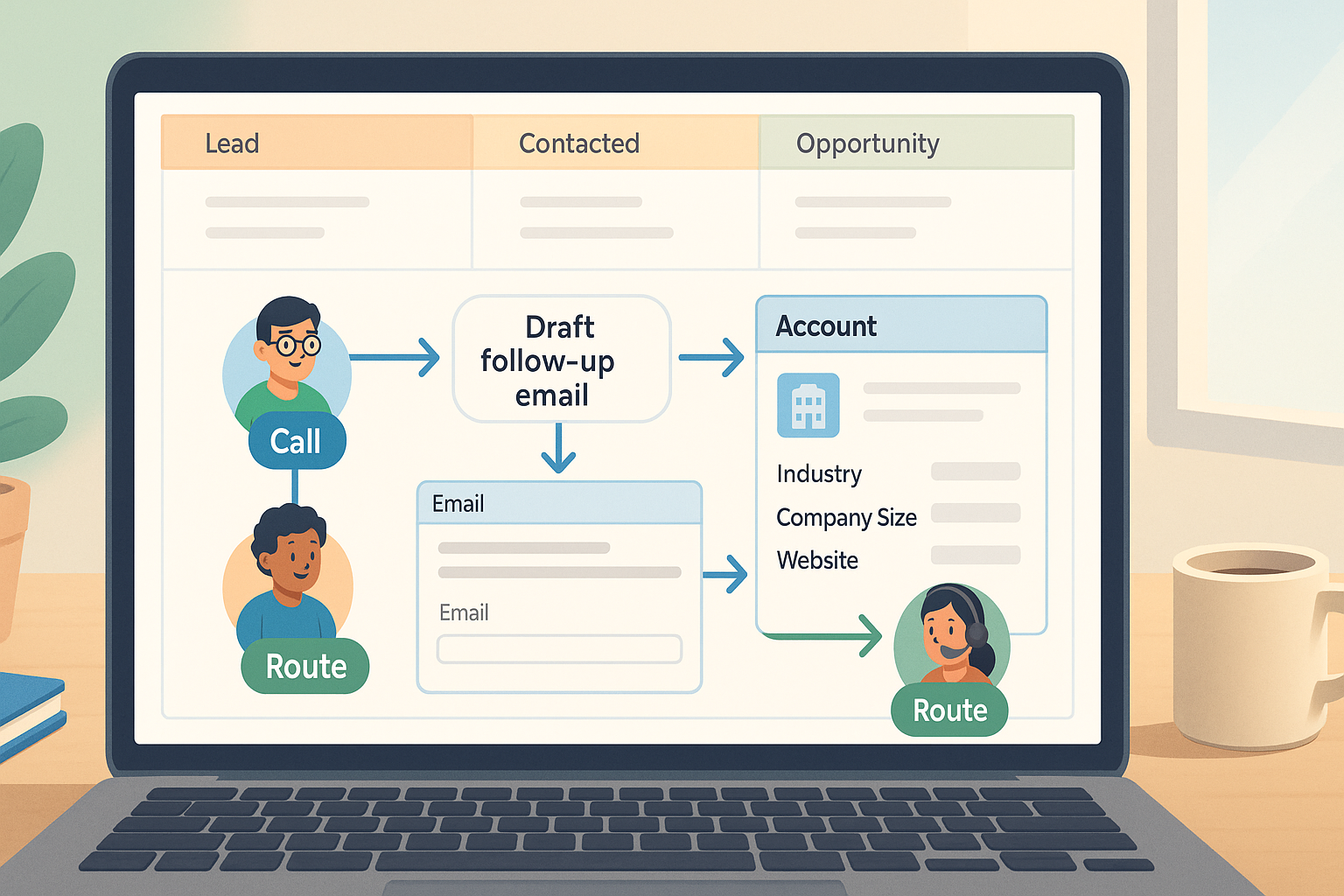
Salesforce added Agentforce to SMB packages on March 24, 2026, which means you can spin up agents for follow-ups, enrichment, routing, and light drafting without custom MLOps. TechTarget covered it here: Salesforce brings Agentforce to SMBs.
Why it matters
If your sales ops already live in Salesforce, you have the structure agents crave: clean objects, fields, and triggers. Instead of stitching a dozen APIs, you bring your process and let the agent handle the lane you define.
If my sales ops already live in Salesforce, I use its clean objects, fields, and triggers the agents crave.
How I’d start
I would not ask it to do sales. I pick one lane. For me, that looks like one agent drafting follow-up emails after discovery calls using the call summary and product tier, and a second agent enriching account records with missing firmographics before handoff. One week, two tight loops, clear result.
Arm’s 136-core AGI CPU screams agents at scale
What shipped
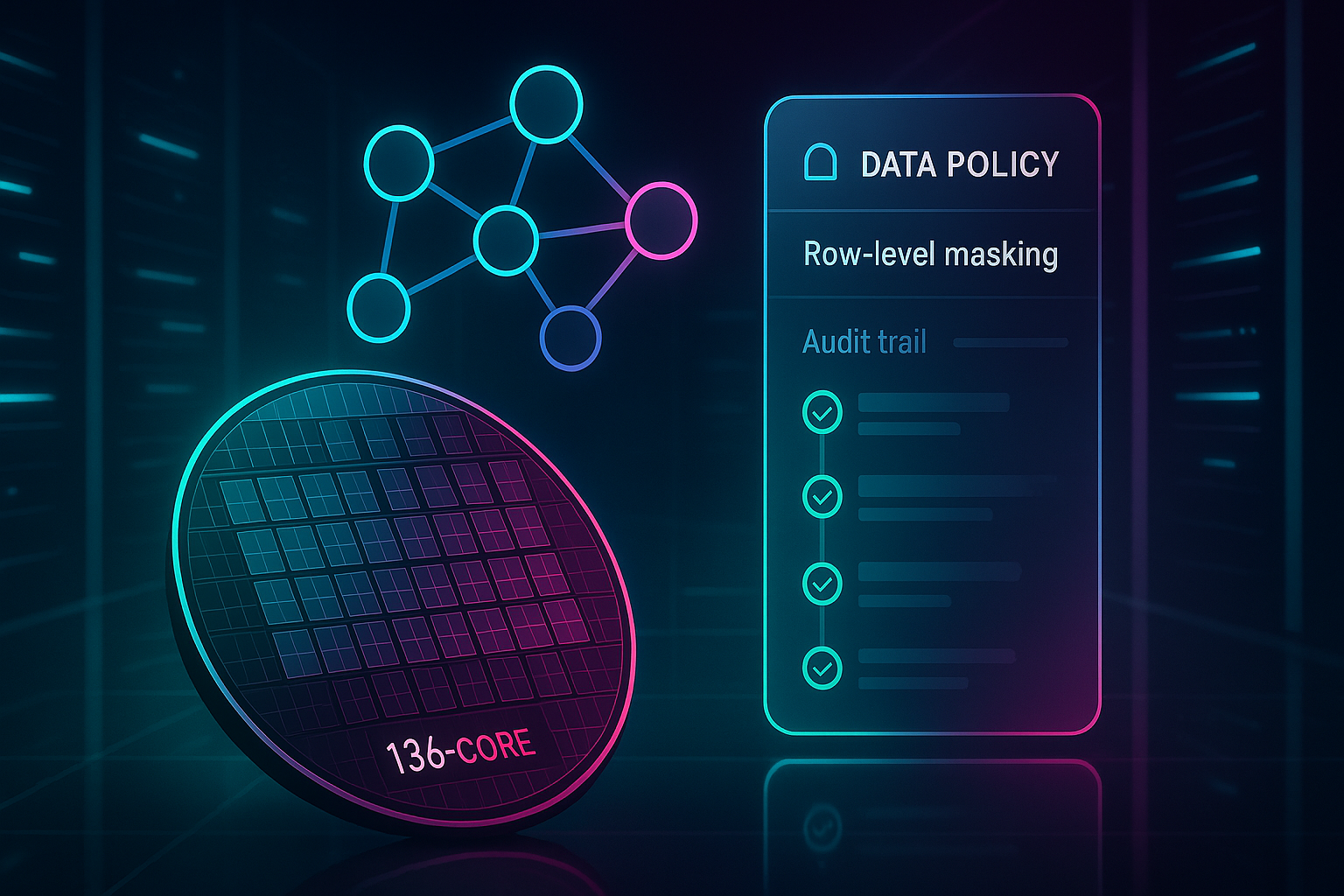
Arm announced a 136-core AGI CPU on March 24, 2026 for agentic AI servers. This is not another GPU headline. It is CPU architecture for orchestrating many small, stateful, concurrent tasks, which is exactly what agent swarms do. VideoCardz covered it here: Arm’s AGI CPU for agents.
Why it matters
You do not need to buy chips to benefit. As runtimes optimize for agent graphs and long tool use, you will feel lower latency, cheaper orchestration, and steadier multi-agent performance. Your back-office automations get faster without you changing a prompt.
How I’d prepare
I design as if Concurrency is free. I split big automations into small agents with crisp responsibilities and explicit handoffs. When infra catches up, my design scales without a rewrite.
I design as if concurrency is free and split big automations into small agents with crisp handoffs.
Immuta finally gives agents the keys with guardrails
What shipped
Immuta introduced a data provisioning platform on March 24, 2026 focused on agentic data access. In plain English, it is granular, policy-driven permissions with audit trails so multiple agents can safely touch sensitive data.
Why it matters
Data governance is where agent projects stall. I have watched great POCs die when someone asks who can see what, when, and why. Tools that make the right way the easy way keep you moving without hardcoding exceptions or copying data everywhere.
I keep momentum by using tools that make the right way the easy way instead of hardcoding exceptions.
How I’d start
I map one workflow that needs different slices of the same data. For example, an intake agent reads only customer-submitted fields, a triage agent gets masked PII for routing, and a finance agent sees totals but not line-level details. If I can write the policy in a sentence, I can enforce it.
My 7-day blueprint if you are starting now
I treat agents like a relay race, not a superstar. Short bursts, clean baton passes, good telemetry. Here is what I would do this week:
- Pick one weekly loop. Automate 3 handoffs with small agents. Keep each step under 10 minutes of human effort.
- Name agents and give one-sentence job descriptions. If it needs a second paragraph, split it.
- Run the pilot where you already work. Salesforce for ops, JetBrains for code. No new stack just to feel fancy.
- Log everything from tool calls to data touches. Make audits boring and easy.
Common gotchas I have hit
Scope creep disguised as autonomy
Letting an agent decide the next step is powerful until it quietly expands its job. I bind each agent to a written scope and a tiny toolset. If it needs more, it asks a coordinator or a human.
Context soup
Dumping every doc and field into context makes agents slower and less accurate. I curate small, high-signal inputs. A one-page brief beats a 200-page dump almost every time.
Invisible failures
Agents can sound confident while doing nothing. I wire explicit checks: did the record update, did the PR build pass, did the email send. If a check fails, the agent escalates instead of looping forever.
FAQ
What is the fastest way to try agentic AI for beginners?
Start inside tools you already use. If you code, try a JetBrains-based agent on a tiny task like test generation. If you work in sales ops, configure a single Agentforce follow-up flow. One lane, one week, clear outcome.
Do I need new hardware to run agent workflows?
No. The benefit of Arm’s 136-core AGI CPU will show up in cloud runtimes and orchestration layers you already use. Design for small concurrent agents now so your workflows scale as infra improves.
How do I keep agents from overreaching?
Write a one-sentence scope and a minimal tool list for each agent. Add a coordinator role for escalations. If an agent consistently needs a second paragraph to explain its job, split it into two agents.
What about data security and compliance?
Use policy-driven access from day one. Map who sees what, then enforce it with a provisioning layer so agents get just-in-time, least-privilege access with audit trails. It feels slower at first and saves weeks later.
How do I measure success quickly?
Pick a workflow that runs often and measure time saved, error rate, and rework. If a loop saves 15 minutes a day without breaking anything important, keep it and expand one step at a time.
The bottom line
The March 24, 2026 releases hit four friction points at once: your editor, your CRM, your infra, and your data. If you have been waiting for the water to warm up, it is warm. Ship one tight loop, measure it, and iterate. That is how agentic AI for beginners turns into compounding wins.