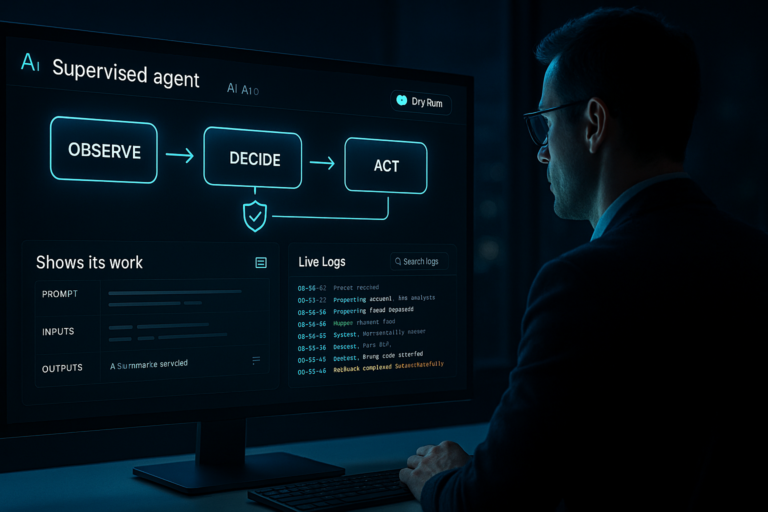


Agentic AI just had a moment. On March 30, 2026, five updates landed back-to-back and it felt like the training wheels came off. I cleared my morning and went deep so you don’t have to. Here’s what actually matters and exactly how I’d start if you’re new.
Quick answer: Today’s Agentic AI moves make the browser an AI hub, bring live agent payments to the real world, push enterprise engineering into agentic workflows, add orchestration with server-side context, and spotlight an open framework for unified tasks. If you want a fast win, start with a browser-embedded agent, lock down permissions, and follow the 90-minute plan below.
My fastest win: I start with a browser-embedded agent, lock down permissions, then follow the 90-minute plan below.
Samsung is turning your browser into an AI hub
On March 30, 2026, Samsung talked about taking its browser beyond mobile and extending agentic AI across devices. In plain English, the place you already live all day is becoming a control center that follows you from phone to tablet to desktop. You can skim their announcement via this roundup.
Why this matters
Browsers are where beginners actually work. If Agentic AI shows up natively in the browser, you don’t need Docker, weird configs, or random repos to automate real tasks. Cross-device means my research agent at the desk can hand off trip planning to my couch session without exporting anything. If you’ve been waiting for a default place to start, this is it.
If I’ve been waiting for a default place to start, this is it.
What I’d try first
I’d spin up a lightweight browsing agent that summarizes long articles, saves citations to my notes, and schedules follow-ups on a shared calendar. Keep it boring and useful. Momentum beats novelty.

Mastercard ran live AI-agent payments in Latin America
Also on March 30, 2026, Mastercard completed live AI-agent payments in Latin America. Live is the word. Not a lab pilot, not a glossy demo. Money moved. The coverage is here: Mastercard live AI-agent payments.
Why this matters
Payments are where compliance and risk usually crush cool ideas. Seeing an agent flow through that stack in the real world tells me the era of agents that observe but can’t act is ending. If an agent can initiate and confirm payments, it can likely handle other high-friction ops too like invoice matching, vendor onboarding, or subscription reconciliation.
What I’d watch
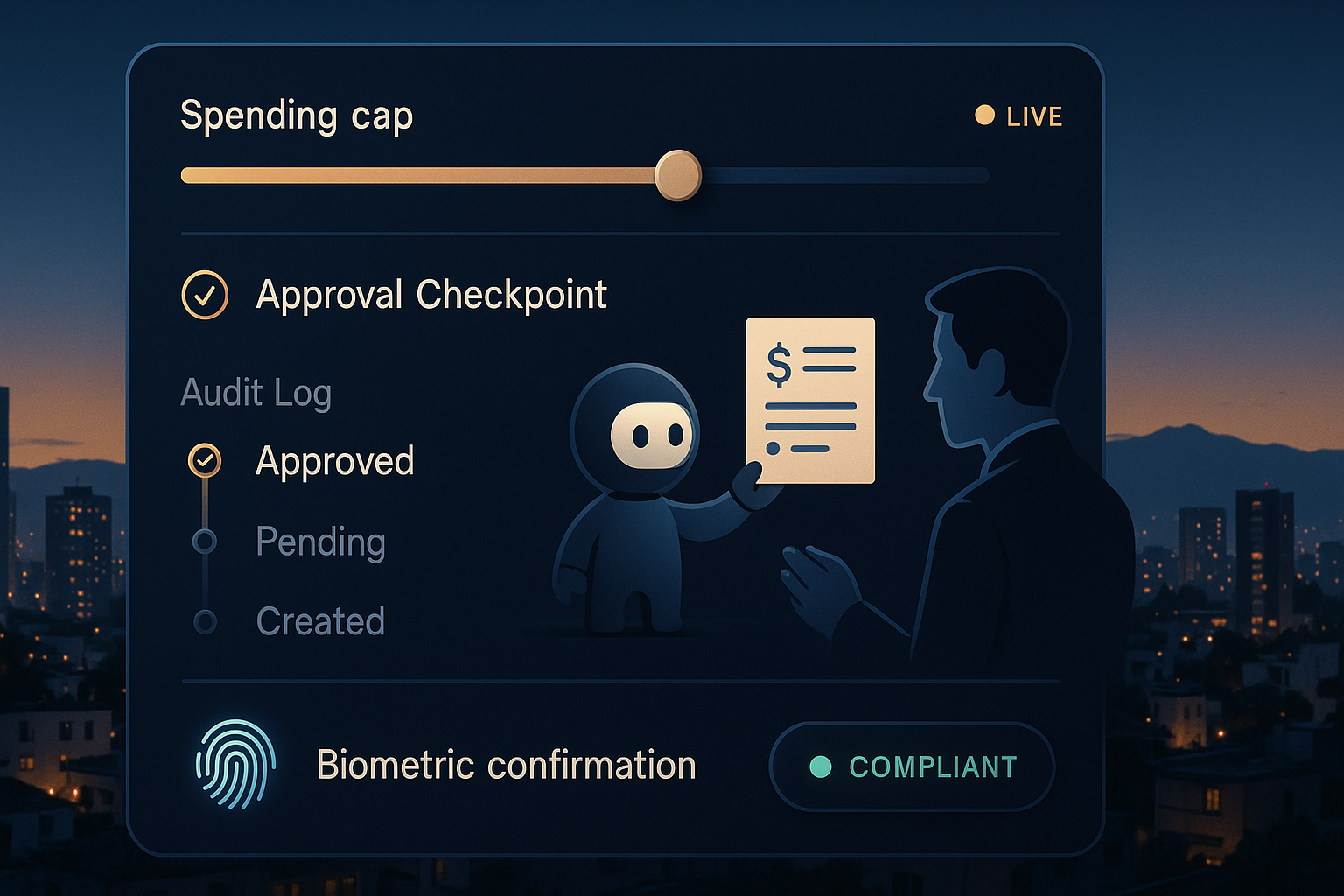
If you’re in fintech or ops, watch how approvals, spending caps, and exception handling get standardized. For beginners, it’s the reminder I give myself every time I grant access: narrow permissions, clear stop conditions. Power is good. Revoking power is better.
I always remind myself: power is good; revoking power is better.
Banks are rethinking software engineering with agents
Same day, Lloyds Banking Group announced an Agentic AI research program with the University of Glasgow aimed at transforming software engineering. Less hype, more plumbing. Here’s the news hit if you want a peek: Lloyds x University of Glasgow.
Why this matters
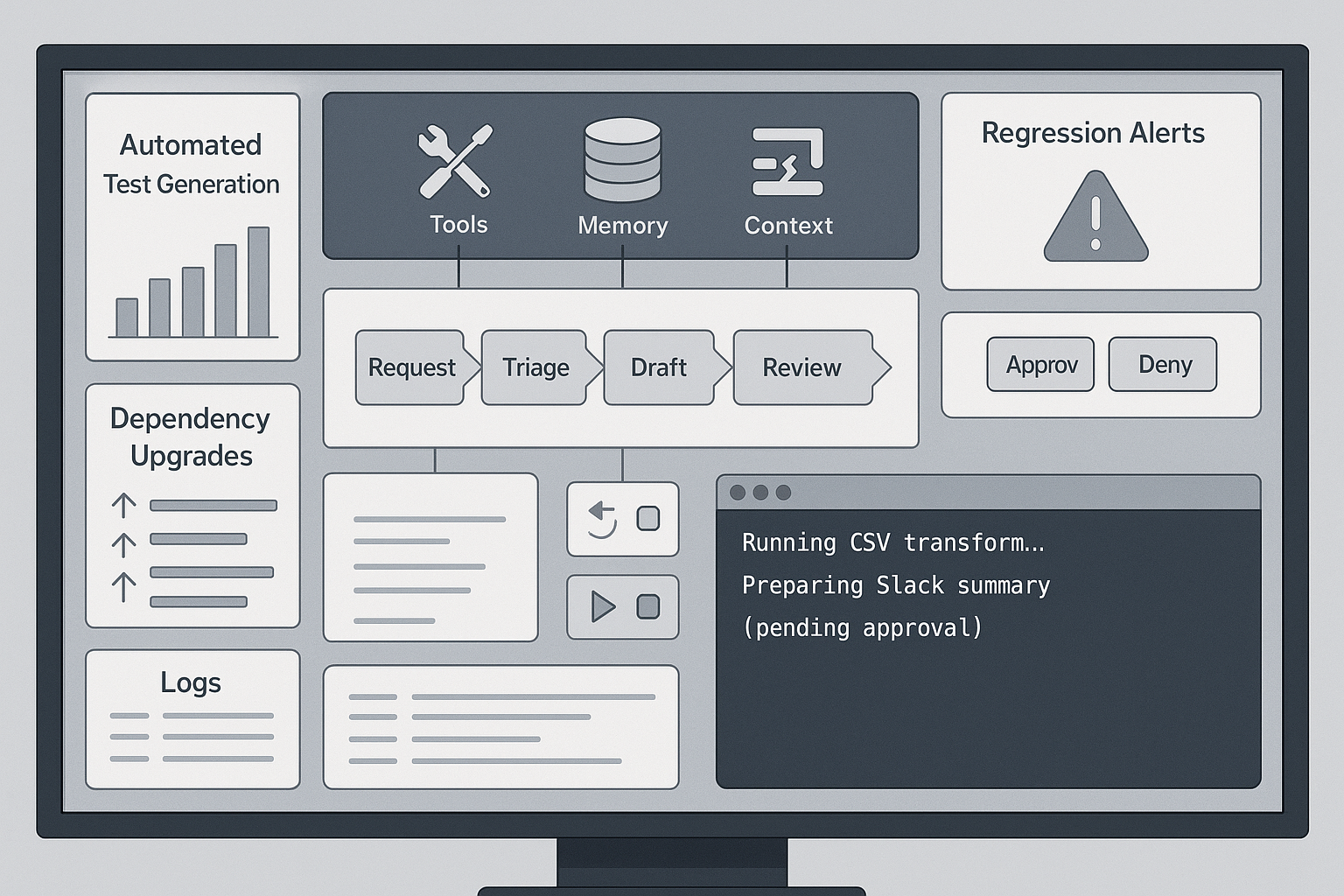
Enterprise engineering maps perfectly to agentic patterns: intake, tests, reviews, releases. A proper research program says they care about reliability, traceability, and real productivity, not just slapping a chatbot on top. Expect agent-driven test generation, dependency upgrades, and regression hunting to turn into table stakes.
How I’d use this as a beginner
You probably already run a workflow that looks like engineering: request, triage, draft, review. Think support tickets, content requests, or simple ETL. Try an agent that creates a structured task, drafts the first pass, and tags a human for approval. You’ll learn more from that tiny pipeline than any tutorial.
Transcend launched Agentic Assist and an MCP server
Also on March 30, 2026, Transcend rolled out Agentic Assist plus an MCP server aimed at enterprise orchestration. Anytime I see server and context in the same sentence, I think coordination, not flash. Beginners might not need this on day one, but it’s the current you’ll swim in if you keep building.
If you’re new, here’s the takeaway
Early agent experiments feel like islands. Orchestration turns islands into a network. A server that brokers tools, memory, and context is how you grow from one helpful agent to a dependable system. The mental model that never fails me: reliable tools, shared memory, audit-friendly logs.
My mental model that never fails me: reliable tools, shared memory, and audit-friendly logs.
Starter playbook I’d follow
Pick one narrow outcome like reducing response times on a single inbox. Give the agent two tools max, one shared memory, and a short timebox before it must ask a human. Log everything. If it holds for a week, then consider a third tool. Boring is how you scale safely.
OpenClaw is the any-task agent people keep DM’ing me about
TechRadar asked on March 30, 2026 what OpenClaw is and why it claims to automate any task. I smile at any task. Real life is pickier, but the energy is real and useful for hands-on learning without a vendor gate. Here’s the quick read: What is OpenClaw?
Where this gets real
What I care about in these frameworks is how they handle failure, underspecified tasks, and looping a human in mid-run. If OpenClaw or similar projects make those awkward moments smooth, we’ll see way more useful automations actually ship.
A safe first project I’d try
Have an agent pull a CSV from cloud storage, run a simple transform, and post a short summary to Slack with a link to the output. Keep credentials read-only, require one human approval before posting, and timebox the run to 3 minutes with a graceful stop if it stalls. Tiny, but it teaches identity, permissions, tool calls, logging, and human-in-the-loop.
My 90-minute starter plan for beginners
If today lit a fire under you, here’s the fastest plan I know that balances momentum with safety.
- Pick one tiny weekly workflow. Examples: triage a shared inbox, summarize three articles into one note, or reformat a spreadsheet.
- Start in a browser-embedded agent if you can. Fewer moving parts, less setup pain.
- Set permissions like a stingy CFO. Read-only wherever possible. Hard stop after X minutes or Y tool calls.
- Make success measurable. Aim for a 30 percent faster reply on five messages or cut spreadsheet prep from 20 minutes to 5.
- Log everything. A simple sheet with timestamps, inputs, outputs, and a thumbs up or down is enough.
When copy-paste between apps starts to annoy you, graduate to light orchestration. That could be an MCP-style server or just a shared memory store. Connect only what you feel pain around.
I connect only what I feel pain around.
The pattern I’m copying from today
Put agents where people already are. Samsung going cross-device with a browser angle keeps adoption friction low. Meet users in their daily tools, not in a new app.
Give agents real actions with real guardrails. Mastercard going live proves action beats observation if you can show oversight. Build the off switch first, even for small projects.
Invest in boring layers. The Lloyds research focus on engineering signals that the wins are in process: testing, upgrades, reviews. Yours probably are too.
Orchestrate when you actually feel pain. Transcend’s server-side context reminds me that scale is about coordination, not clever prompts.
Experiment in the open. Frameworks like OpenClaw are great reps for the core muscles you’ll need anywhere: tool calls, retries, memory, approvals.
What I’m doing next
I’m setting up a cross-device reading agent that catches anything I tag as deep dive, sends me a 5-bullet recap at 7 pm, and drops sources into my notes. I’ll iterate until it’s boring and reliable. Then I’ll give it one real action: create a task when confidence is high. If it helps for a full week, I’ll wire in shared memory and approvals.
FAQ
What is Agentic AI in simple terms?
Agentic AI is software that can plan and take actions on your behalf using tools, not just chat. Think of it as a reliable assistant that can read, decide, and do, while respecting the guardrails you set.
How do I start with Agentic AI if I’m a beginner?
Begin in the browser so you avoid heavy setup. Pick one tiny workflow, grant read-only access, add a strict timebox, and log everything. If it works for a week, add one more tool or a shared memory store.
Is it safe to let agents touch payments or customer data?
It can be, but only with tight permissions and clear approvals. Copy the Mastercard pattern in spirit: narrow scopes, spending caps, and human checkpoints. Always know how to revoke access instantly.
Which tools or frameworks should I learn first?
Start with whatever browser-embedded agent your stack supports, then explore an orchestration layer when you feel friction. If you want open-source reps, try frameworks like OpenClaw to practice tool calls, retries, memory, and human-in-the-loop.
Bottom line
March 30, 2026 wasn’t a roadmap, it was now. When browsers turn into agent hubs, banks rethink engineering, enterprises add orchestration, and payments go live, sitting on the sidelines costs you. Start small, lock down permissions, log everything, and measure a real outcome. Tiny wins stack fast.