

Agentic AI updates that actually change how I build
Agentic AI updates landed hard this week, and I’m already adjusting my playbook. In about 48 hours, hardware, databases, consumer apps, research, and dev tooling snapped together in a way I haven’t seen all year.
Quick answer: If you’re new to agents, this week’s moves make it cheaper to run chatty, tool-using workflows, safer to keep agents near your data, and easier to ship reliable loops. Start with one narrow task, keep state in your database, log every step, and add a self-check before results go back to the user.
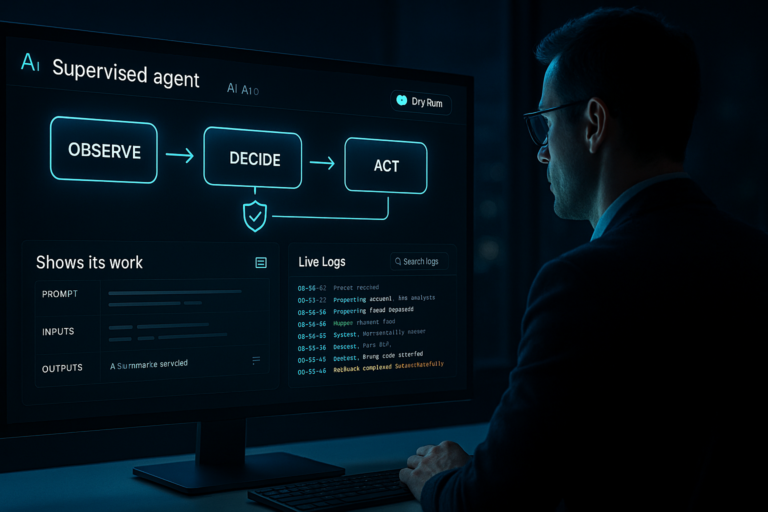
I start with one narrow task, keep state in my database, log every step, and add a self-check before results go back to the user.
Arm’s AGI CPU is a green light for agent-first infrastructure
On March 30, 2026, Arm announced an AGI CPU built for the agentic AI cloud era. That reads like more than a chip drop to me. Agents plan, call tools, verify, and loop, which means tons of short, stateful steps and heavy I/O. If silicon gets tuned for that pattern, throughput climbs and costs fall. Translation if you’re starting out: expect agent workloads to get cheaper and more available in the clouds you already use.

Oracle is moving agents to where your data lives
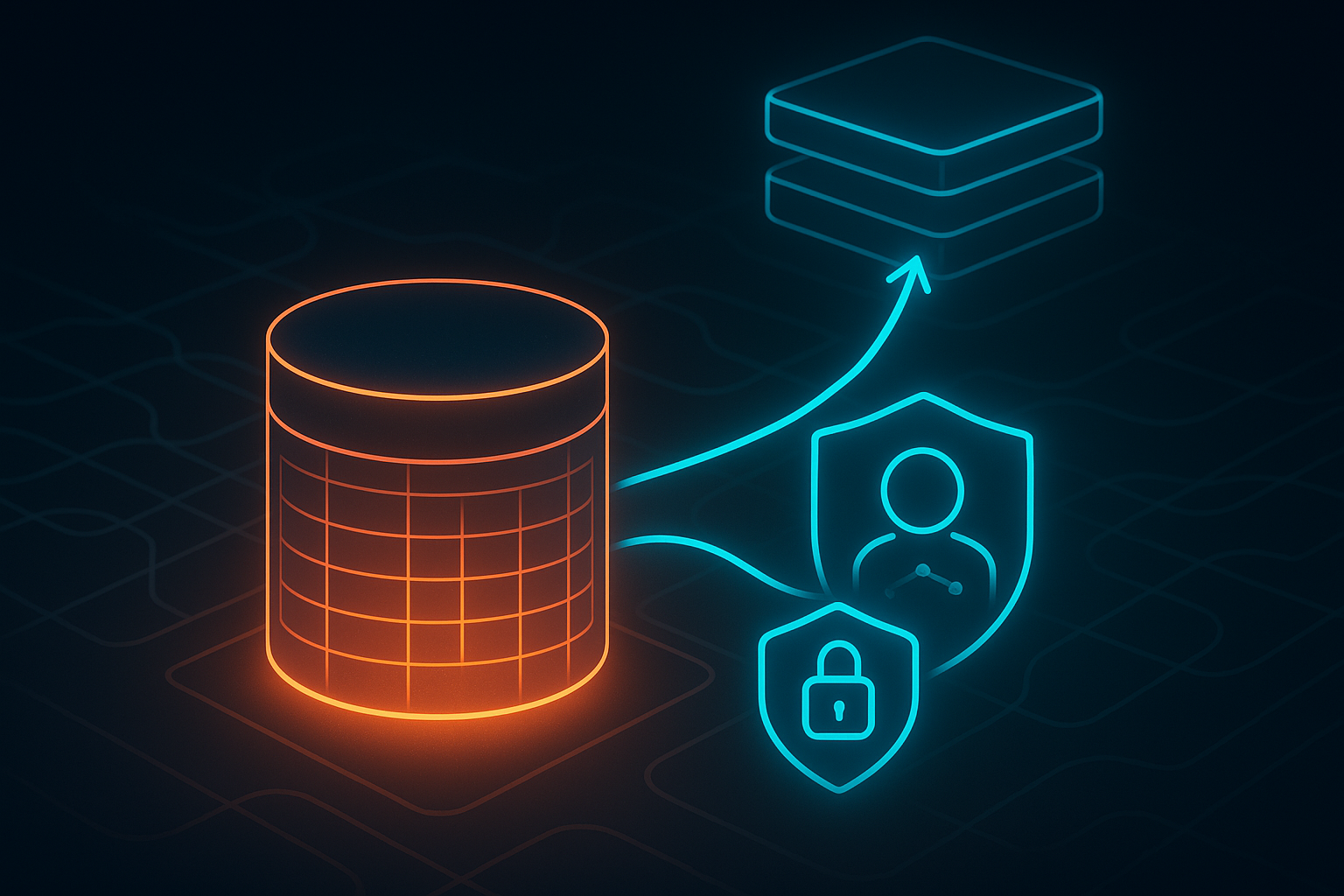
Also on March 30, 2026, Oracle added agentic AI features to its database platform. It sounds boring until you’ve tried to duct-tape a data pipeline so your agent can see a customer record. Agents next to data means lower latency, cleaner governance, and fewer shaky hops. I’m now designing agents to sit at the data layer and push results up to apps, not the other way around. You don’t need Oracle to practice this. Even with SQLite or Postgres, make the database your agent’s first stop, not its last.
I’m now designing agents to sit at the data layer and push results up to apps, not the other way around.
Bluesky’s Attie proves agents belong in everyday apps
On March 30, 2026, Bluesky rolled out Attie, an agent that builds custom feeds based on your preferences. I love the clarity here. Users set preferences, the agent curates. No mystical AGI vibes, just a tight loop around a real job to be done. If you’re shipping your first agent, copy this pattern. Pick one decision people make all day, add a transparent preference loop, and let the agent earn trust with receipts.
Lloyds and Glasgow gave agentic AI a 4-year runway
On March 29, 2026, Lloyds Banking Group and the University of Glasgow kicked off a four-year research program. Banks don’t do multi-year research for hype. They do it when they see real operational leverage and regulatory work ahead. I’m leaning harder into evals and runbooks because of this. Write down how your agent decides, where it can break, and when to escalate to a human. That’s how you move from demo to dependable.
Write down how your agent decides, where it can break, and when to escalate to a human.
A-Evolve might be the developer unlock I’ve wanted
Also on March 29, 2026, A-Evolve was described as a potential PyTorch moment for agentic systems with automated state mutation and self-correction. The phrasing is spicy, but the pattern resonates. I’ve been hand-rolling this for months: let the agent adjust state, run a check, then correct without bugging a human. It doesn’t make agents magic. It just makes them less needy, which is exactly what automation needs.
How I’m adjusting my build strategy
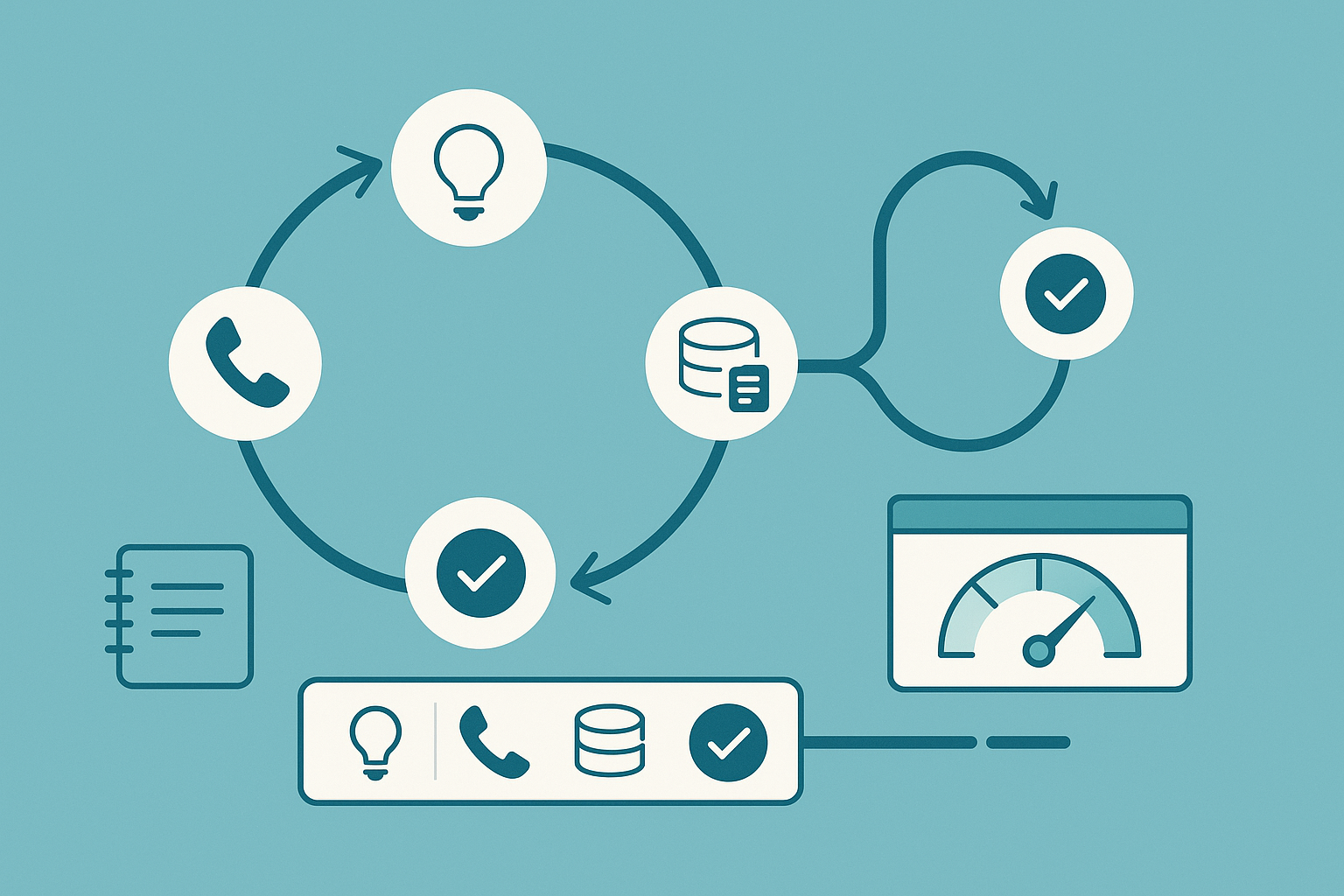
I’m shifting from single-shot prompts to small, rule-bound loops with memory and tools. I’m moving agents to the data, not shipping data to distant agents. And I’m instrumenting everything so I can iterate fast instead of hoping for the best.
- Build one tiny agent with receipts. Give it one job, log every step, and show why it made each decision.
- Keep state close to your data. Read and write to your database first, even if it’s local.
- Add one self-check. Verify a simple condition and retry once before returning results.
Add one self-check. Verify a simple condition and retry once before returning results.
My 30-day take
Expect more platforms to quietly flip on agent features where users already work. Think scheduling inside your CRM, inventory helpers in your ERP, and curators in your social apps. Most people won’t say they’re using an agent. They’ll just notice less friction. If you’ve been on the sidelines, pick a small workflow, write a checklist, and let an agent run it. Your instincts will level up fast.
If you’ve been on the sidelines, pick a small workflow, write a checklist, and let an agent run it.
FAQ
What is agentic AI in plain English?
Agentic AI is about giving models a loop. Instead of a single response, an agent plans, calls tools, checks results, updates its state, and tries again if needed. That makes it better for real workflows where steps depend on each other.
Do I need enterprise tools to start with agents?
No. You can prototype with a local database and a basic model. What matters most is designing the loop, logging steps, and keeping state visible so you can debug quickly. You can move to enterprise stacks later without relearning the fundamentals.
How do I make my agents reliable?
Instrument everything. Log each tool call, capture intermediate state, and add a lightweight self-check before results go back to the user. When something breaks, route to a human and record why. Reliability is mostly visibility plus simple guardrails.
Where should my agent’s memory live?
Near the data it needs. Keep state in your database and treat it like a first-class citizen. You’ll get lower latency, better governance, and cleaner audit trails, which matters once you move beyond a demo.
Will these changes reduce costs?
Likely, yes. Hardware tuned for chatty, tool-heavy loops can reduce waste, and agents living next to data cut unnecessary calls and hops. The biggest wins come from tighter loops and fewer retries, which you get by instrumenting and self-checking.