

Agentic AI finally clicked for me on March 17, 2026. I cleared my afternoon and left convinced this is the beginner moment to actually ship something small and real.
Quick answer: To start with agentic AI in three afternoons, pick one low-risk task with guardrails, wire a single agent to two tools with an approval step, then add readable logs and a rollback. Use least privilege, start read-only, and ship only when every step is visible and reversible.
I always start with one low-risk task, wire a single agent to two tools with an approval step, then only ship when every step is visible and reversible.
Why March 17, 2026 flipped the switch for me
I watched NVIDIA make its AI factories and physical agents the headline at GTC 2026. This GTC 2026 recap told me the big iron crowd now treats tool-using agents as the main course, not a demo.
Then I saw CIO.com cover NVIDIA’s NemoClaw, a security-first runtime for OpenClaw agents, also on March 17. If the runtime bakes in isolation and policy checks, I can focus on workflows instead of duct-taping secrets. Here’s that NemoClaw piece.
Same day, Workday integrating Sana made enterprise apps feel like execution engines, not just chat fronts. And finance pushed out a practical guardrails blueprint on March 17, which I loved because it translates to any team. If you’re curious, read the finance blueprint. Cadence and NVIDIA also showed agentic acceleration for engineering work. The pattern was loud: agents that plan, call tools, and verify are moving into real jobs.
Agentic AI in plain English
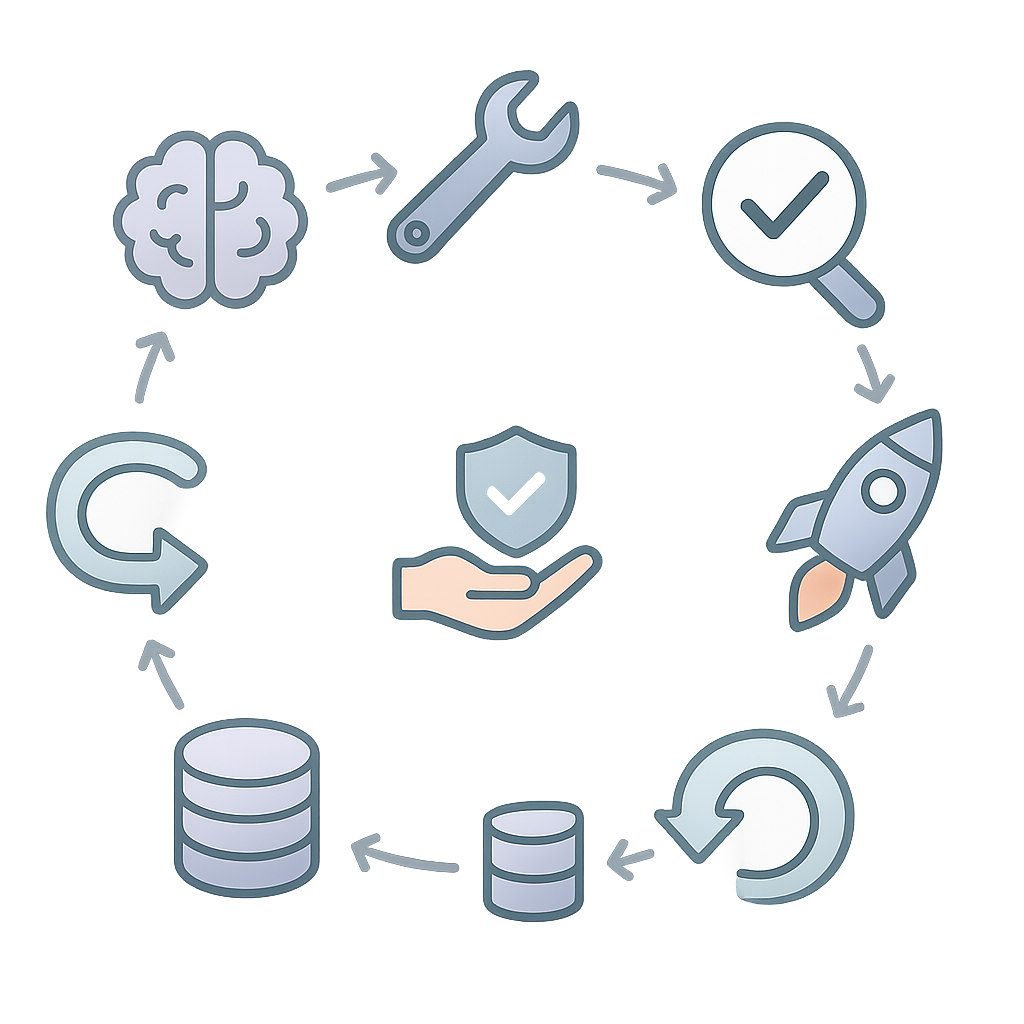
If chatbots answer, agents get things done. An agent is a loop that plans, uses tools, checks itself, and tries again. It books the meeting, drafts the spec, files the ticket, reconciles the invoice, and posts updates in the right place. The model is the brain, but the value shows up in the planning, the tools it can call, the memory it keeps, and the guardrails that keep it from pinging your CEO at 2 a.m.
I treat agents as a loop that plans, uses tools, checks itself, and tries again until the job is done.
My 3-afternoon starter plan
Afternoon 1: Pick one tiny, sandboxed task
I start where the blast radius is small and the review is obvious. My favorite beginner win is an internal weekly update bot that turns rough notes into a clean doc and flips a single project status.
- Input: a Loom link or a few bullets about your week
- Tools: Google Docs or Notion API plus your task tracker
- Output: a dated update doc and one status change
No scary permissions. You can eyeball it in seconds before you trust it.
Afternoon 2: One agent, two tools, one approval
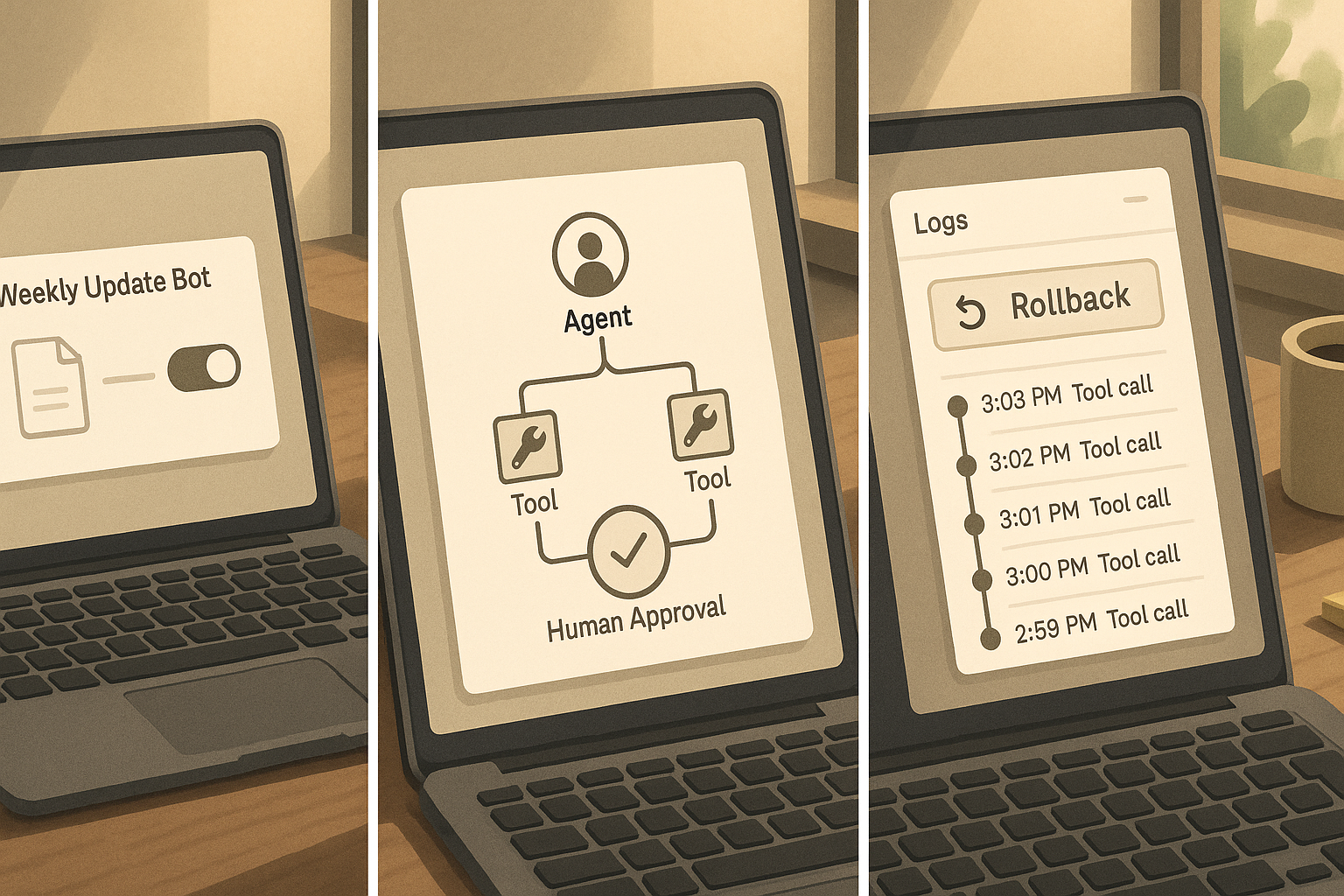
Use what you know: a tiny Python script, a no-code builder, or an open-source agent framework. Keep it boring on purpose. Add a verify step that asks your approval before anything posts or updates. Two or three runs will show you the flaky parts you need to harden. While we wait for secure-by-default runtimes like NemoClaw to land in our stacks, I mimic that safety with strict API scopes and read-only modes first.
I add a verify step for approval and mimic secure runtimes with strict API scopes and read-only modes first.
Afternoon 3: Logs you can read and a rollback
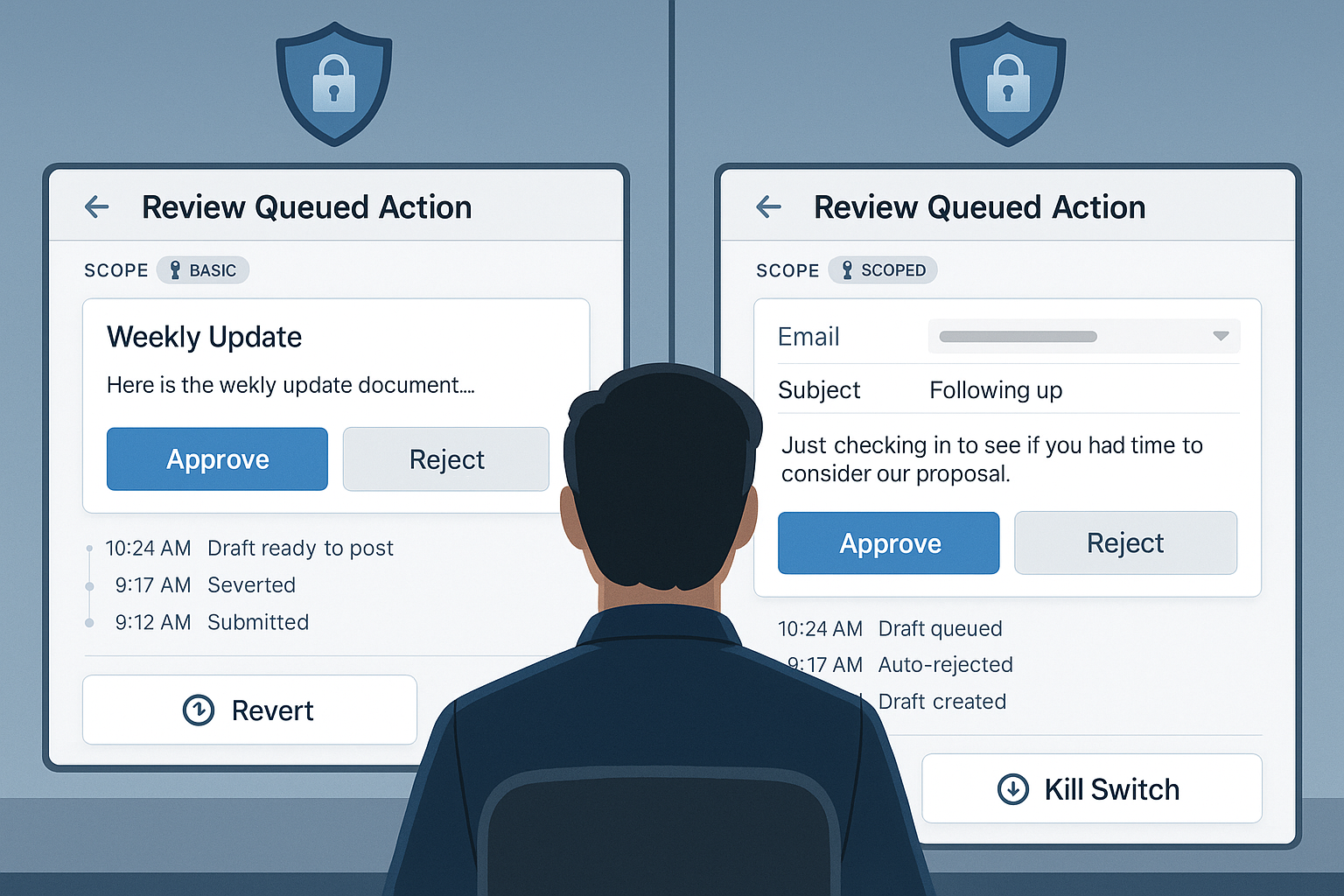
Log every tool call, decision, and output snapshot. Store it somewhere dull and reliable. Then give yourself one kill switch: reply with “revert” or click a simple button and the agent undoes the last action or opens a fix task. You probably won’t need it often, but it changes how confident you feel sharing the agent with a teammate.
What this means if you’re not at a giant company
GTC’s AI factories message tells me compute and SDKs will keep getting cheaper and less finicky. Security-first runtimes mean you won’t have to be a part-time CISO to move a calendar event. Enterprise vendors are shipping real “do things” buttons, which means your smaller tools will follow. The finance mindset gives you a clean recipe: tight scopes, explicit approvals, obsessive logging.
Safety basics I refuse to skip
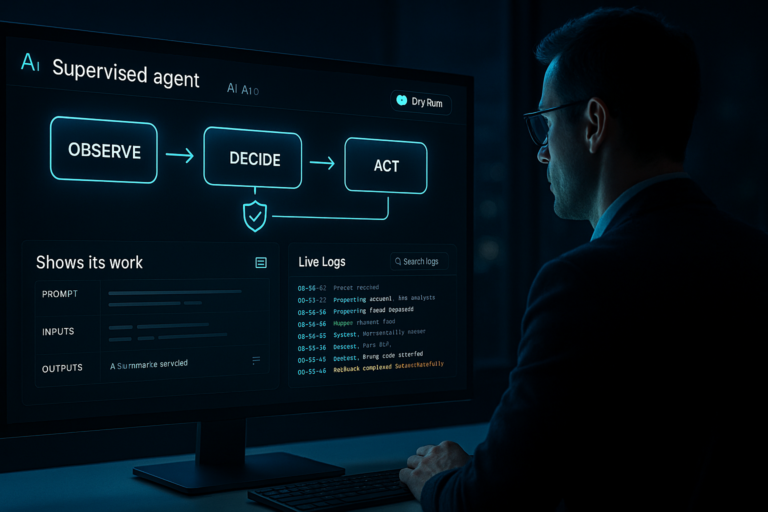
I like a good demo, but I like sleeping more. I scope every token to one job and rotate it. I keep a human in the loop by default: the agent proposes, I approve, it executes. I store an immutable audit trail of tool calls and diffs so no one can quietly edit history. Those three habits are why I’m comfortable letting an agent near anything with a cost center or a customer.
I keep a human in the loop by default; the agent proposes, I approve, it executes.
Two simple examples you can copy
The weekly update machine
My agent watches a shared folder for a Loom or a text note, extracts wins, blockers, and next steps, creates a dated doc, and drops a link into our team channel. Bonus move: on Friday, it nudges anyone who missed their update. It’s a tiny win with outsized relief.
A humble CRM hygiene helper
I scope it to one pipeline stage. The agent finds deals with empty next steps, drafts a one-sentence follow-up as an email draft, waits for my approval, sends, then logs back to the CRM. It touches real revenue without letting the agent roam free.
I scope CRM helpers to a single pipeline stage so they touch revenue without roaming free.
FAQ
What is agentic AI in simple terms?
It’s a system that plans, calls tools, checks itself, and tries again until the job is done. Think “assistant that can take steps” instead of “chat that answers questions.” The loop plus guardrails is what makes it useful at work.
Can I really ship something in three afternoons?
Yes, if you keep the scope tiny. One agent, two tools, read-only at first, and an approval step. My weekly update bot hit production in that timeline, and the logging plus rollback made the handoff to teammates painless.
What do I need to start?
Any LLM access, two familiar tools or APIs, and a place to store logs. If you already use Notion, Google Docs, Jira, or a CRM, start there. A simple script or a no-code automation tool is enough for a first win.
How do I keep it safe?
Use least-privilege keys, approvals by default, and immutable logs. Read-only scopes for the first runs, then graduate to write access in narrow slices. If a secure runtime like NemoClaw becomes available in your stack, use it to reduce risk and setup time.
What I’m watching next
I want to see how the security promises around agent runtimes hold up in messy, real workflows. I’m also tracking how fast mid-market platforms copy the Workday-style agent features. If even half of this trickles down next quarter, the plan above gets way easier for non-technical teams.
The unglamorous truth
Agentic AI isn’t magic. It’s a careful loop with clear jobs and strong guardrails. The big March 17 news day just confirmed the ecosystem is catching up with better runtimes, safer defaults, and integrations where we already work. Pick one task, wire two tools, add one approval, and log everything. Three afternoons later, you’ll have something real.