

Agentic AI just changed pace for me. I sat down with coffee and watched it go from buzzword to real momentum in a single afternoon, thanks to a cluster of announcements on March 12, 2026 that touched scale, openness, enterprise, evaluation, and security.
Quick answer: Agentic AI is ready for hands-on builders right now. China is stress-testing agents at scale, NVIDIA opened up a planning-heavy model, and enterprise teams are wrapping agents around core systems. If you’re new, start with one outcome, three tools max, tight guardrails, and daily measurement. Treat agents like interns with budgets and approvals, and make security part of day one.
I start with one outcome, three tools max, tight guardrails, and daily measurement. I treat agents like interns with budgets and approvals from day one.
Why March 12 mattered
In a few hours I had to rethink my stack and my weekend. Here’s the snapshot that pushed me to move faster:
- Bloomberg called China the biggest lab for agentic AI on March 12, 2026, citing an OpenClaw stampede.
- NVIDIA’s Nemotron 3 Super dropped the same day as an open agentic model tuned for planning and tool use.
- UiPath and Deloitte announced Agentic ERP on March 12, pointing agents at finance, procurement, and HR.
- The New Stack reminded everyone to evaluate agent capabilities before giving them the keys.
- Security Boulevard flagged rising agentic fraud that hides inside everyday workflows.

China just became agentic AI’s biggest sandbox
When one market runs thousands of live experiments, the rest of us learn fast. The March 12, 2026 Bloomberg piece calling China a giant agentic AI lab signaled rapid iteration and a flood of public examples. I’m expecting faster conventions, more eval datasets, and better playbooks to copy without the guesswork.
I expect faster conventions, more eval datasets, and better playbooks I can copy without the guesswork.
What I’m doing now
I’m leaning into multilingual readiness so agents can parse and plan across languages without tripping. I’m also doubling down on task decomposition and strict tool-use rules. Big labs surface edge cases quickly, so I want my agents to handle weird inputs gracefully and fail safe when they must.
NVIDIA just made open agentic models a real option
On March 12, OODA Loop covered NVIDIA’s Nemotron 3 Super as an open agentic model that plays nicely with planning and tool use. That matters if you hate vendor lock-in as much as I do. If the base model handles a solid chunk of planning and action selection, you can pour more effort into data wiring, evals, and UX instead of prompt gymnastics.
When the base model handles planning and action selection, I can focus on data wiring, evals, and UX instead of prompt gymnastics.
How I’d use it this week
I’d ship one boring but valuable agent end to end: watch an invoice folder, extract line items, check policy exceptions, then draft a summary for approval. I’d keep a tiny memory window for the last 24 hours so I can observe behavior clearly. The win with an open model is reproducibility. I can share the stack and expect similar results on a friend’s machine.
Enterprise went loud with Agentic ERP
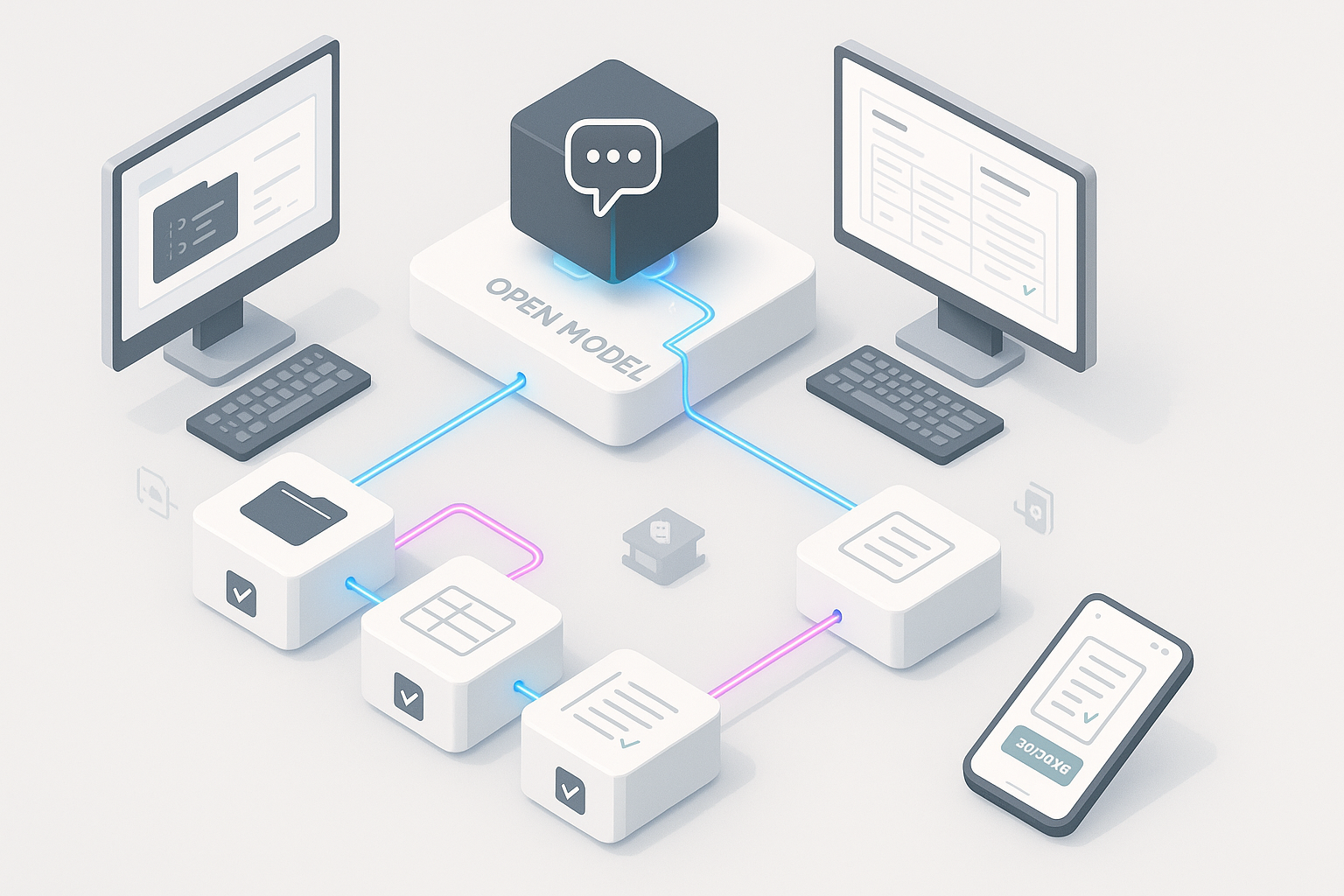
Also on March 12, Business Wire reported that UiPath and Deloitte launched Agentic ERP. That is not demo theater. It is a clear signal that agents are being wrapped around core systems where auditability and approvals matter. If you’re starting from zero, think in outcomes, not steps. It’s “close the month,” not “export the CSV.”
What to copy if you’re starting small
I design agents like a relay. One plans, one gathers, one executes, one audits. I avoid the mythical super-agent and choose a small, accountable committee so I always know where a failure came from. Clear roles make debugging and approvals simple.

Before you unleash agents, know their limits
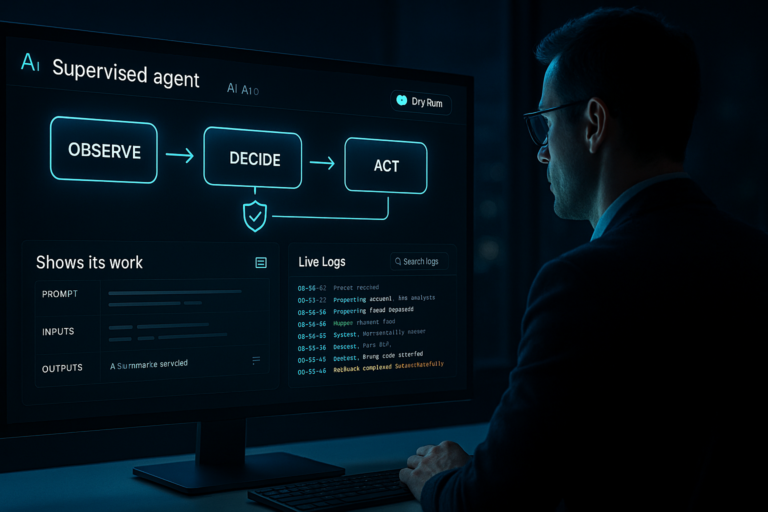
The New Stack’s reminder on March 12 was spot on. Most chaos comes from skipping evaluation. I treat new agents like interns with potential but zero context. I start read-only, give explicit budgets, require second approval for anything irreversible, and provide tight checklists with example outputs so success is unambiguous.
I start read-only, give explicit budgets, and require a second approval for anything irreversible.
A readiness checklist I actually use
I write a one-page SOP with exact success criteria. I test in a sandbox that mirrors production closely. I auto-measure time to complete, error rate, and cost per run. I keep human-in-the-loop approvals mobile-friendly so I can move work forward from my phone without sacrificing control.
Agentic fraud is rising, so ship security on day one
Security Boulevard’s warning about agentic fraud tracks with what I’ve seen. Attacks often look like routine work. A slightly off invoice, a poisoned webpage, or a sneaky prompt can reroute an agent. My rule of thumb is to act like a cautious junior analyst. Verify critical facts with two sources, pin a signed allowlist of tools and domains, version prompts like code, and log everything so I can answer why it acted the way it did.
How I’d start from zero this week
I’d pick one outcome, like preparing a daily lead list and drafting outreach. I’d cap the build at two hours, wire at most three tools, and keep memory tiny and local. I’d run read-only for two days, then move to supervised writes with clear budgets and a simple approval UI, even if it’s just a spreadsheet column.
For guardrails, I’d pin a one-pager into the system prompt. For example, never send an email without human approval, and flag anything below 0.8 confidence on contact matching. I’d track only three numbers daily: time saved, errors, and cost. If it saves 30 minutes without breaking things, it stays. If not, I cut scope until it does.
I track only three numbers daily: time saved, errors, and cost.
Beginner traps I keep seeing
Over-scoping sinks momentum. Your first agent should do one outcome reliably, not ten tasks poorly. Long-term memory is not magic. It is a liability until you know what to store and why, so keep it short and local. And every irreversible action needs a rollback. Snapshots for spreadsheets, request and response IDs for APIs, and a clear put-it-back step.
What today changes for me
China’s scale tells me best practices will harden faster than I expected. NVIDIA’s open release pushes me to default to open models when I teach or share starter kits. UiPath’s Agentic ERP push nudges me to design around outcomes and approvals. The New Stack keeps my evals tight, and the security warnings move hardening into sprint one, not the last mile.
FAQ
What is Agentic AI in plain English?
Agentic AI is software that can plan, choose tools, and take actions toward a goal, not just chat. Think of it like a smart intern with checklists and access to your approved apps. It still needs oversight, budgets, and clear success criteria to stay useful and safe.
How do I choose my first Agentic AI project?
Pick one outcome you can verify daily, like preparing a clean lead list or summarizing invoices for approval. Limit yourself to three tools max and a tiny memory window. If you cannot measure time saved, error rate, and cost per run automatically, the scope is too big.
Are open agentic models good enough for beginners?
Yes. Models like NVIDIA’s Nemotron 3 Super focus on planning and tool use, which solves two beginner pain points. You will still need guardrails and evals, but you can skip a lot of prompt acrobatics and concentrate on data, interfaces, and reviews.
How do I keep agents from spending money recklessly?
Start read-only, then add hard budgets per run and per day. Require approval for any irreversible action. Log every call with inputs and outputs. If an agent cannot explain why it acted, pause it and tighten prompts, tools, or access.
What security basics should I implement first?
Use an allowlist for tools and domains, verify critical facts with two sources, and version prompts like code. Keep audit logs from day one so investigations take minutes, not days. If something can’t be rolled back, it needs an extra approval step.
My bottom line
March 12, 2026 will likely read as a pivot point. A massive live lab, an open agentic model, enterprise-grade adoption, a readiness reminder, and a security reality check all landed at once. If you’ve been on the fence, build one small, valuable, well-guarded agent this week. Ship it, observe it, and keep receipts. Everything gets easier after that.