

Agentic AI just crossed a line for me this week
Agentic AI finally feels like the new default for work, not a lab demo. Between March 11 and 12, 2026, I watched a string of updates drop that made me rethink my roadmap. If you’ve been waiting for a clean on-ramp, this is it. I’ll keep it short, show you what changed, and share exactly how I’d start without ripping up your stack.
If you’ve been waiting for a clean on-ramp, this is it, and I’m taking it.
Quick answer
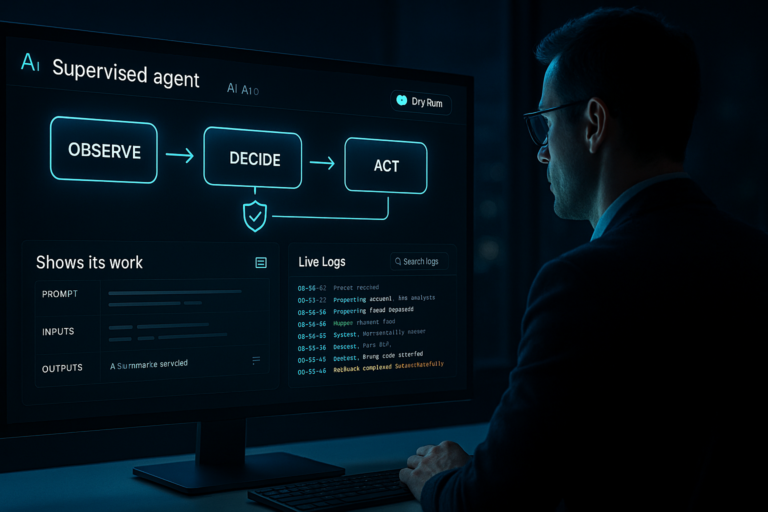
If you want a fast win with agentic AI, start inside the tools you already use. Zoom now supports custom agents, Nvidia boosted agent throughput, and AWS published a practical rollout guide. My play: pick one everyday outcome, give it to a small Zoom agent with guardrails, log everything, and review after 10 runs. You’ll get real time back without risking chaos.
What changed this week
Zoom made custom agents native to your workflow
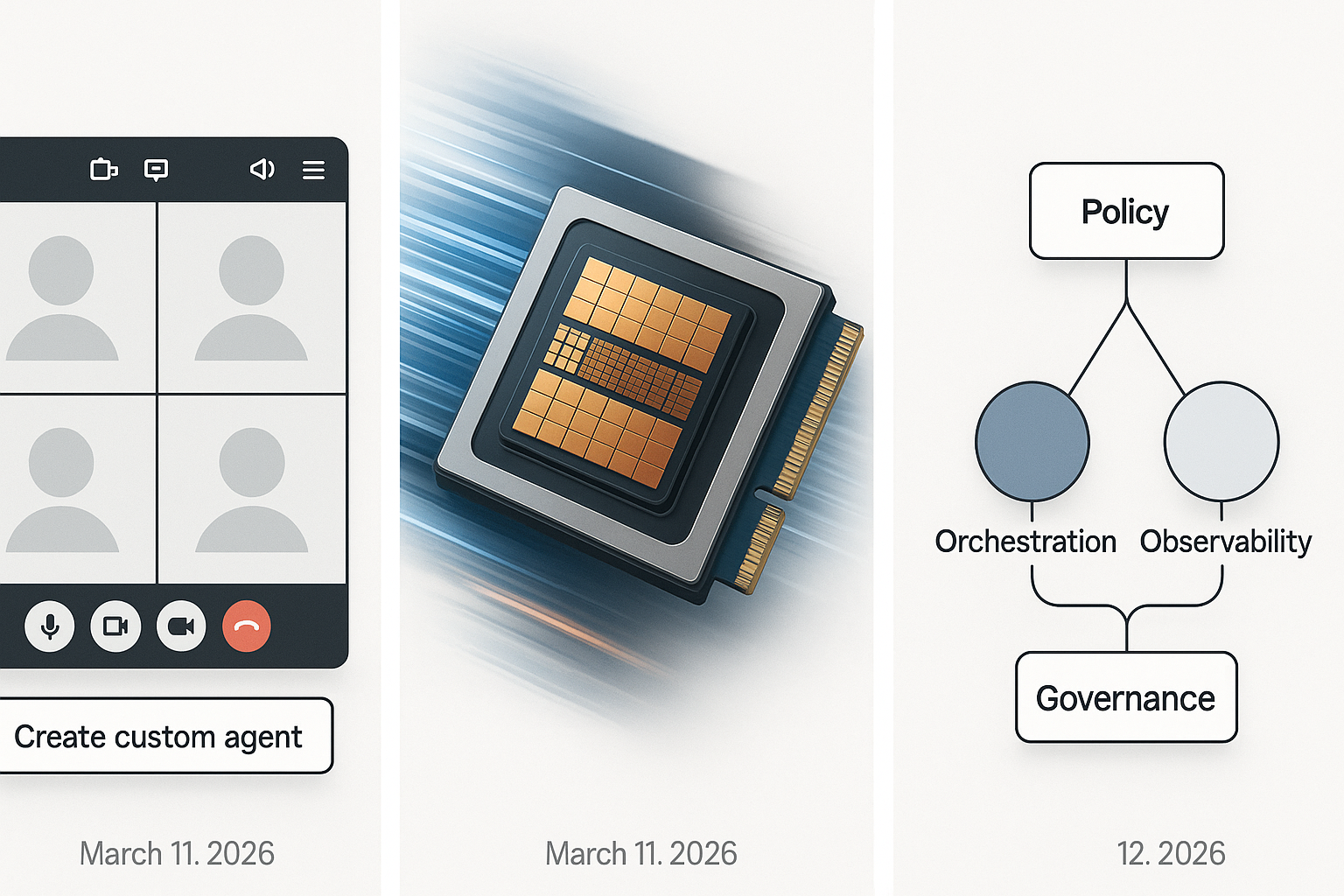
On March 12, 2026, IT Pro reported that Zoom users can spin up custom AI agents right inside Zoom. Meetings, chat, webinars, tasks. No extra logins or duct-tape integrations just to test an idea. For beginners, this is perfect. Think chat answers, routing during webinars, or tidy post-call follow-ups that actually reach the right channels.
For beginners, this is perfect, so I start with chat answers or tidy post-call follow-ups.
Nvidia gave agents a serious speed bump
Also on March 12, 2026, SiliconANGLE covered Nvidia’s Nemotron Super 3, tuned for agentic systems with roughly 5x higher throughput. Translation for the rest of us: multi-step agents plan, call tools, read results, and retry way faster. If your agent felt slow or flaky last year, expect a very different vibe as these models roll into everyday tools.
Real guardrails and operating models, not just hype
On March 11, 2026, AWS published Part 1 of a stakeholder guide that starts at the right altitude. Define outcomes, decision rights, success criteria, then layer in safety. On March 12, 2026, McKinsey shared an architecture view that basically says treat agents like first-class apps with policy, orchestration, and observability. I read both and came away with a simple mantra: one place to define access, one place to watch behavior, one clean way to plug in tools.
I keep one place to define access, one place to watch behavior, and one clean way to plug in tools.
Why this matters if you’re new
Two shifts hit at once. Accessibility got easy because agents now live inside Zoom, where your work already happens. Performance jumped because Nemotron-level throughput makes multi-step reasoning feel natural. Add AWS’s how-to and the architecture lens from McKinsey, and the path from idea to responsible deployment finally feels obvious.
My weekend game plan
Here’s the exact, low-drama path I’m taking after this week’s updates:
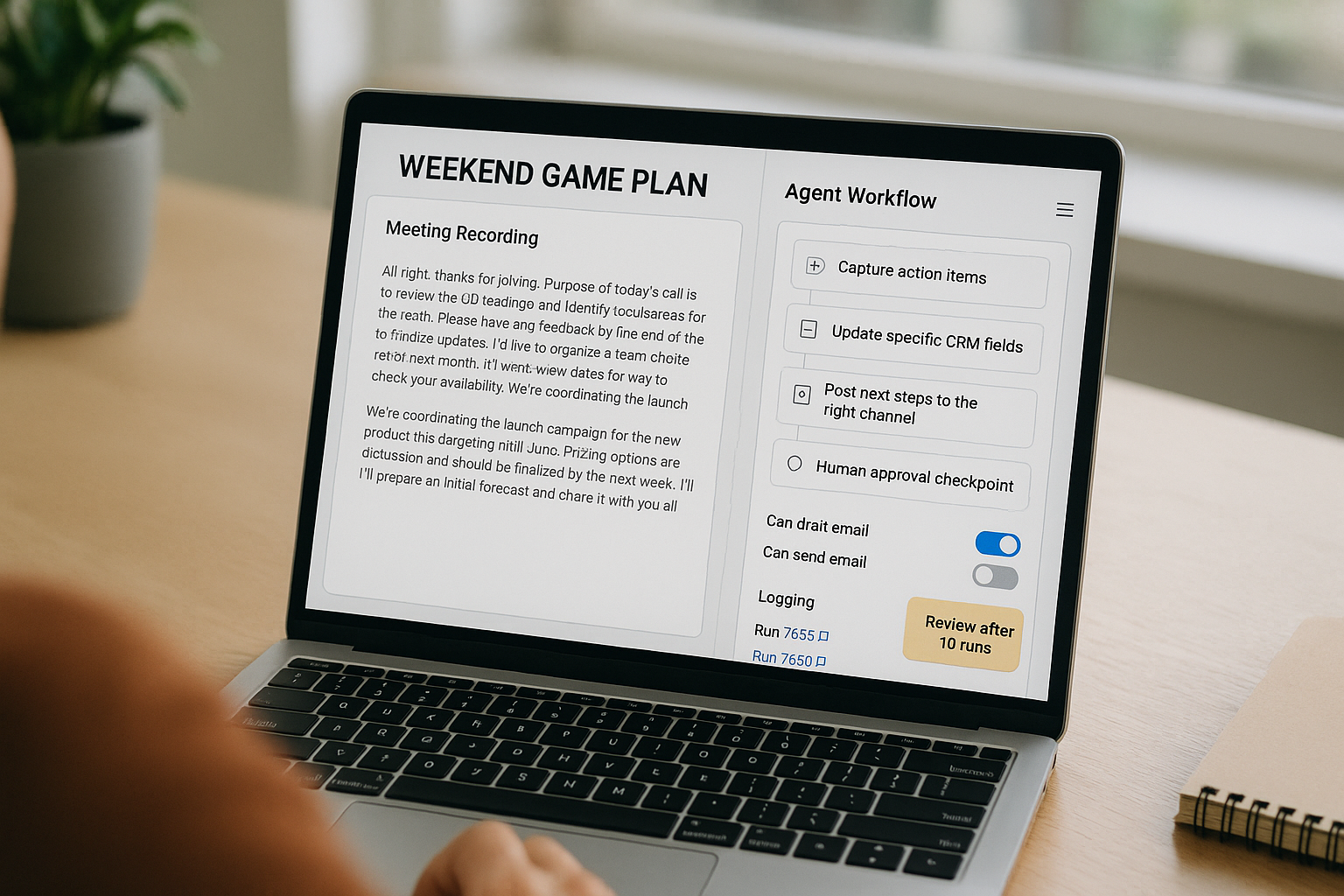
- Pick one daily outcome that annoys people. Example: after a sales call, capture action items, update CRM fields, share next steps.
- Build a tiny Zoom agent just for that. Narrow script, one team, one meeting type. Draft summaries, push structured data, post to the right channel.
- Write decision rights. It can draft but not send emails. It can update specific CRM fields, not pipeline stage. Human thumbs-up before publishing.
- Turn on logging from day one. Even a shared doc with run details and links is enough.
- Review after 10 runs. What broke, what saved time, where nerves showed up. Tweak rules, not just prompts.
Beginner traps I learned the hard way
Don’t build a mega-agent
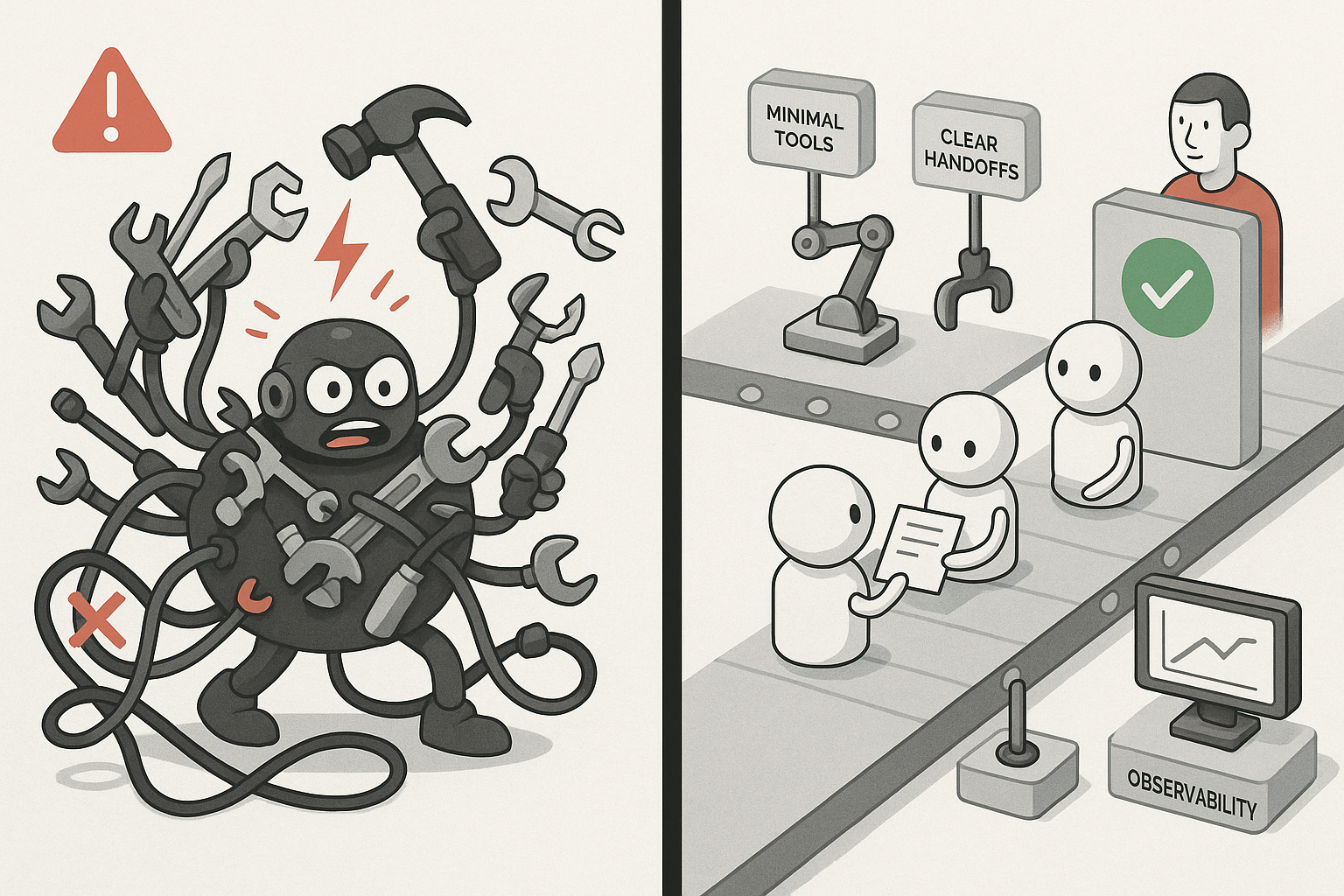
The all-in-one urge is real. Resist it. Early wins come from single-purpose agents that hand off cleanly. Think assembly line, not Swiss Army knife.
Tool sprawl hurts reliability
As soon as an agent calls ten tools, debugging turns into archaeology. Start with two tools. Add a third only when the first two are boring.
Human approval is a feature
Having a human in the loop at key steps is not a failure. It’s how you earn trust. Over time, move approvals behind confidence thresholds, but only after your logs back it up.
I treat human-in-the-loop as a feature, because it’s how I earn trust.
Why this week created real FOMO
Across March 11 and 12, 2026, we got a practical rollout guide from AWS, a strategic architecture from McKinsey, a user-level on-ramp from Zoom, and raw speed from Nvidia. That combo removes the usual excuses. The tech is here, the how-to is here, and the business case showed up in the news cycle.
The tech is here, the how-to is here, and the business case showed up in the news cycle, so I’m moving.
FAQ
What is agentic AI in plain English?
Agentic AI is software that can plan and take multi-step actions with your tools and data, not just answer one question. It can listen, decide, call APIs, check results, and try again until it completes a task. Think reliable workflows, not one-off prompts.
Do I need developers to try this?
Not to start. With Zoom supporting custom agents and clear guardrails, you can pilot a small workflow inside your existing meetings and chat. Keep scope tight and log everything. If it sticks, you can loop in engineering to scale it across systems.
I keep scope tight and log everything.
How do I keep it safe and compliant?
Copy the AWS mindset. Define decision rights per agent, set measurable success criteria, and log every action with links to outputs. Keep early access narrow and require approvals. You can add policy, observability, and event-driven orchestration as you grow.
What tasks make the best first wins?
Structured, repetitive flows with clear boundaries. Meeting summaries into CRM fields, routing common chat questions, scheduling follow-ups, and pulling the latest doc link on request. If a human can do it the same way every time, an agent can too.
When should I remove the human in the loop?
After your logs show low error rates and your team is comfortable. Start with review-required. Then introduce auto-approve when confidence is high and dollar or risk thresholds are low. Keep an audit trail no matter what.
Where this goes next
I expect more announcements that put agents inside the tools we already use and more under-the-hood model upgrades that make multi-step reasoning feel instant. The teams banking small, safe wins now will have the muscle to scale when the floodgates open. If you try a Zoom agent after this, tell me what you built and what went sideways. Real playbooks come from pressing the buttons.