
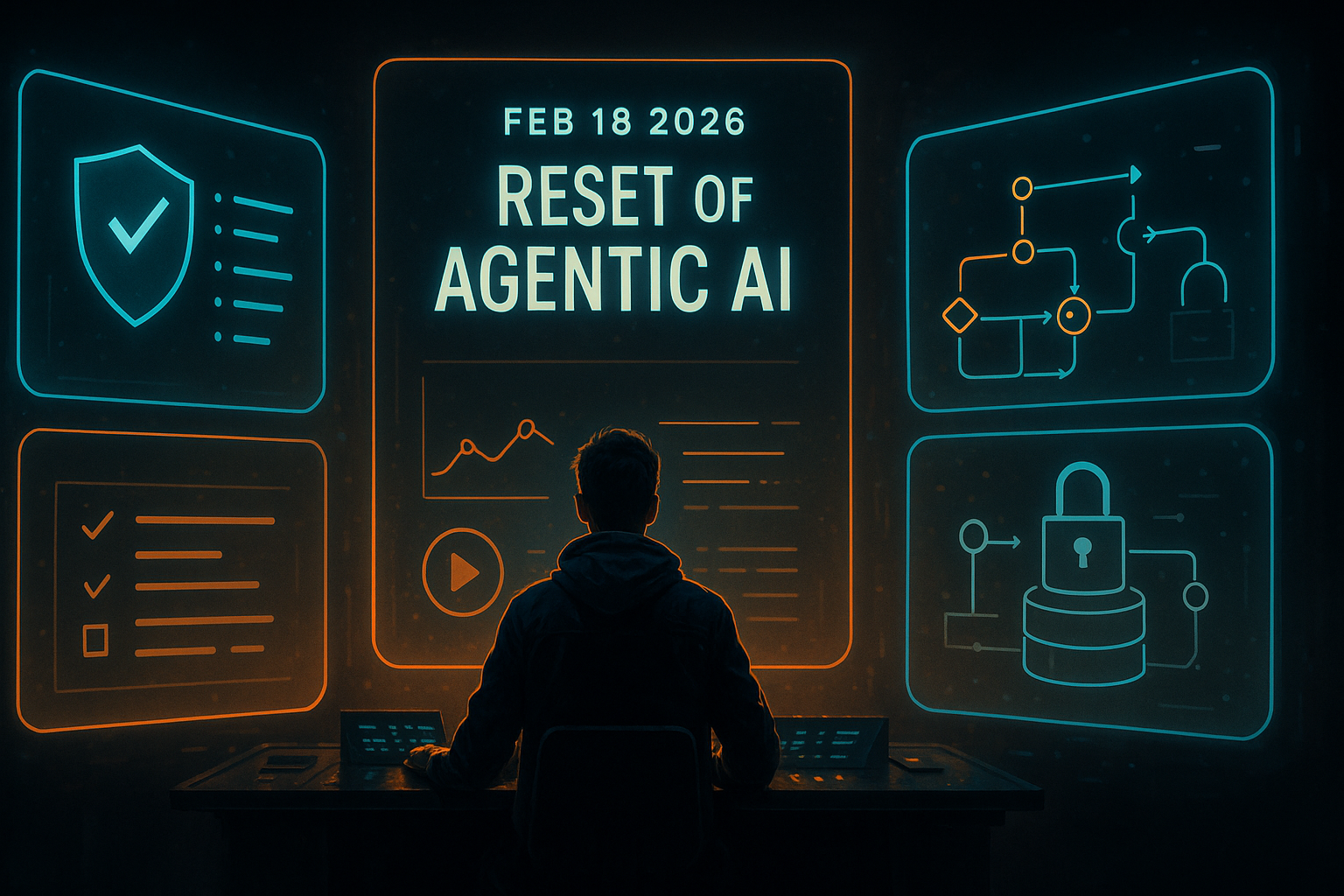
Agentic AI for beginners just got a real reset. On Feb 18, 2026, four quiet updates landed that changed how I design, evaluate, and ship agents: NIST’s standards push, Amazon’s evaluation lessons, Temporal’s $300M for durable workflows, and Google Cloud’s data unlock with Ab Initio. I dug into all four and turned them into a simple plan you can copy.
I turned the four Feb 18 updates into a simple plan you can copy.
Quick answer
If you’re starting agentic AI this week, treat standards, evaluation, durable orchestration, and governed data as day-zero features. Use NIST-style guardrails, copy Amazon’s golden traces and metrics, model steps so they can retry like Temporal, and feed the agent clean, controlled data like Google Cloud highlights with Ab Initio. Build one narrow workflow, log everything, and keep a human in the loop.
I build one narrow workflow, log everything, and keep a human in the loop.
Why this week actually changes how I build
Last year was demo theater. Now it’s about agents that survive messy workloads without torching budget or triggering security fire drills. The boring parts are finally the main event: standards, evaluation, durable infrastructure, and data plumbing. That’s the line between toy and useful.
Standards stopped being boring
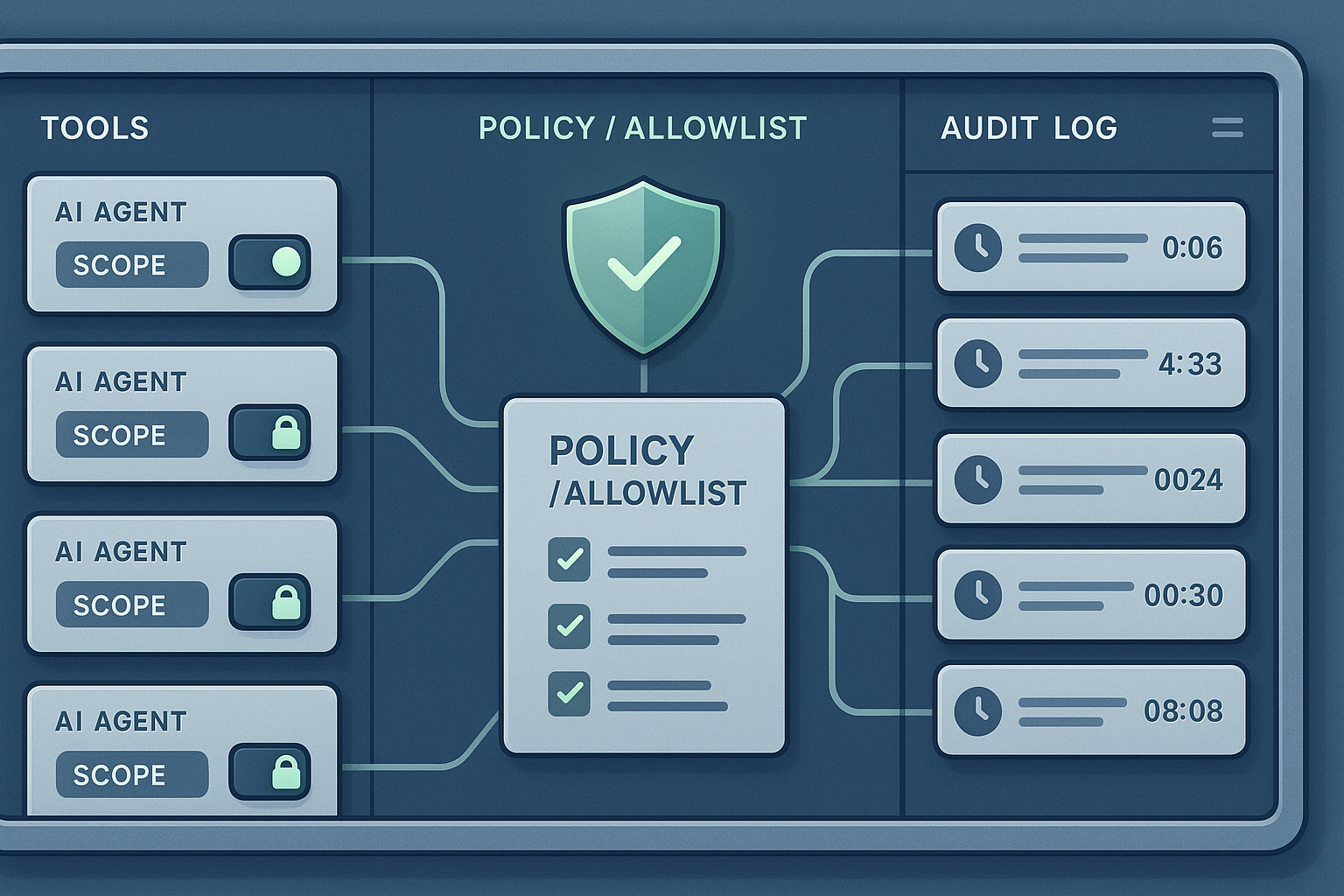
On Feb 18, 2026, NIST announced an AI Agent Standards Initiative. You can skim the announcement through ExecutiveGov’s coverage, but the gist is simple: we’re converging on what safe, measurable agents should look like. That helps me move faster, not slower. I now design as if someone will audit every tool call. Each tool gets an explicit scope, every run is logged, and there’s a single source of truth for what the agent is allowed to do and why. That mindset turns approvals from guesswork into checklists. I’ll take that trade any day.
NIST’s move gives beginners a safer default path.
Amazon quietly published the evaluation playbook
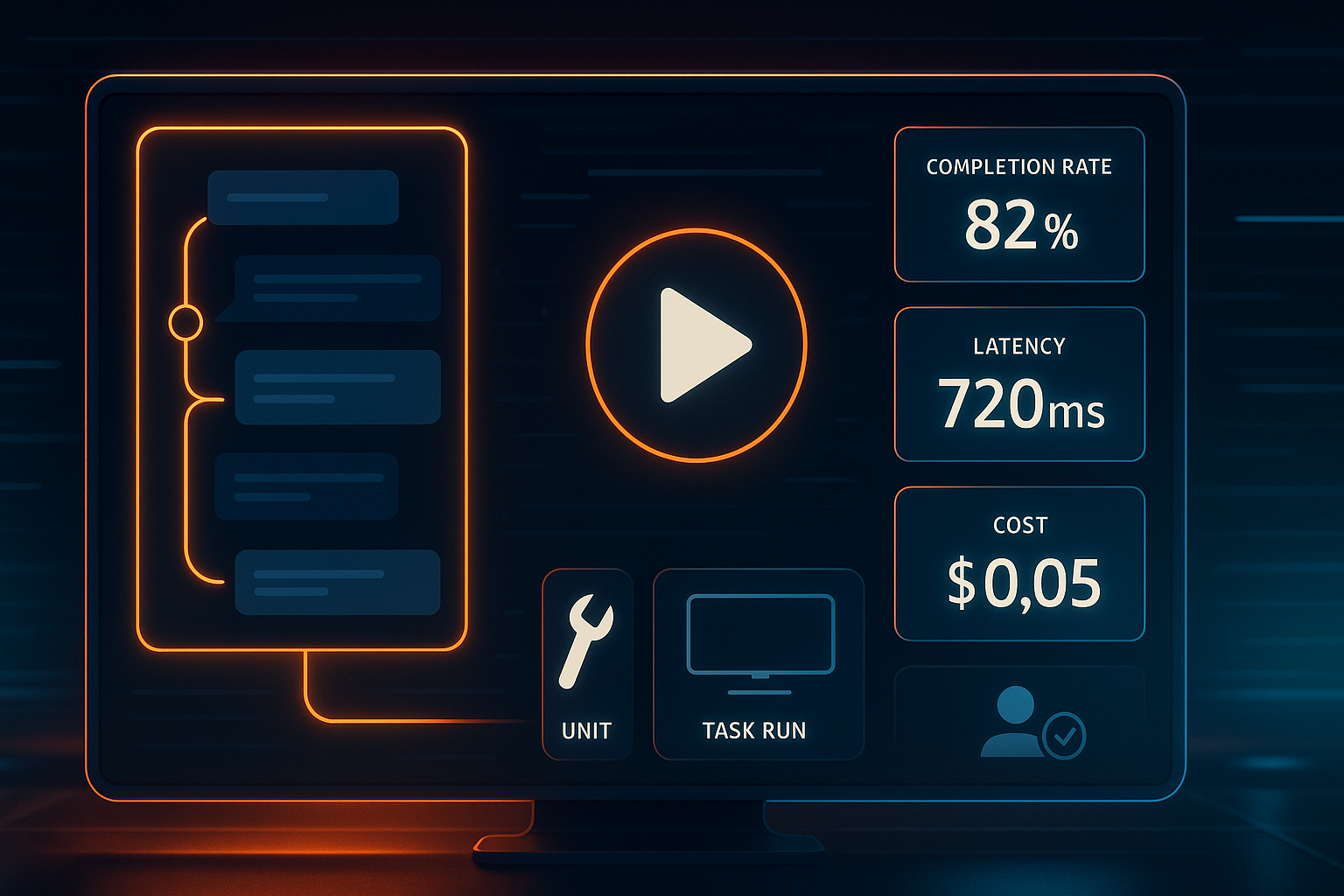
Also on Feb 18, 2026, AWS shared battle-tested lessons from building agentic systems inside Amazon. It reads like a field manual. I now treat evaluation as a feature, not a chore. Before I add a new tool, I define success criteria and wire up metrics for completion rate, latency, and cost. If it’s consistently fast and cheap while solving the right 60 percent, that can still be a win.
Golden traces changed my workflow overnight. I save real end-to-end transcripts and replay them after every change, so I see regressions immediately instead of hearing about them days later. I also stack evaluation in layers: unit tests for tools, simulations for tasks, and a human in the loop where it actually matters. If you’ve ever chased an infinite loop at 2 am, this is the antidote.
Here’s the AWS post I bookmarked: Evaluating AI agents at Amazon.
Infra money talks: Temporal’s $300M for durability
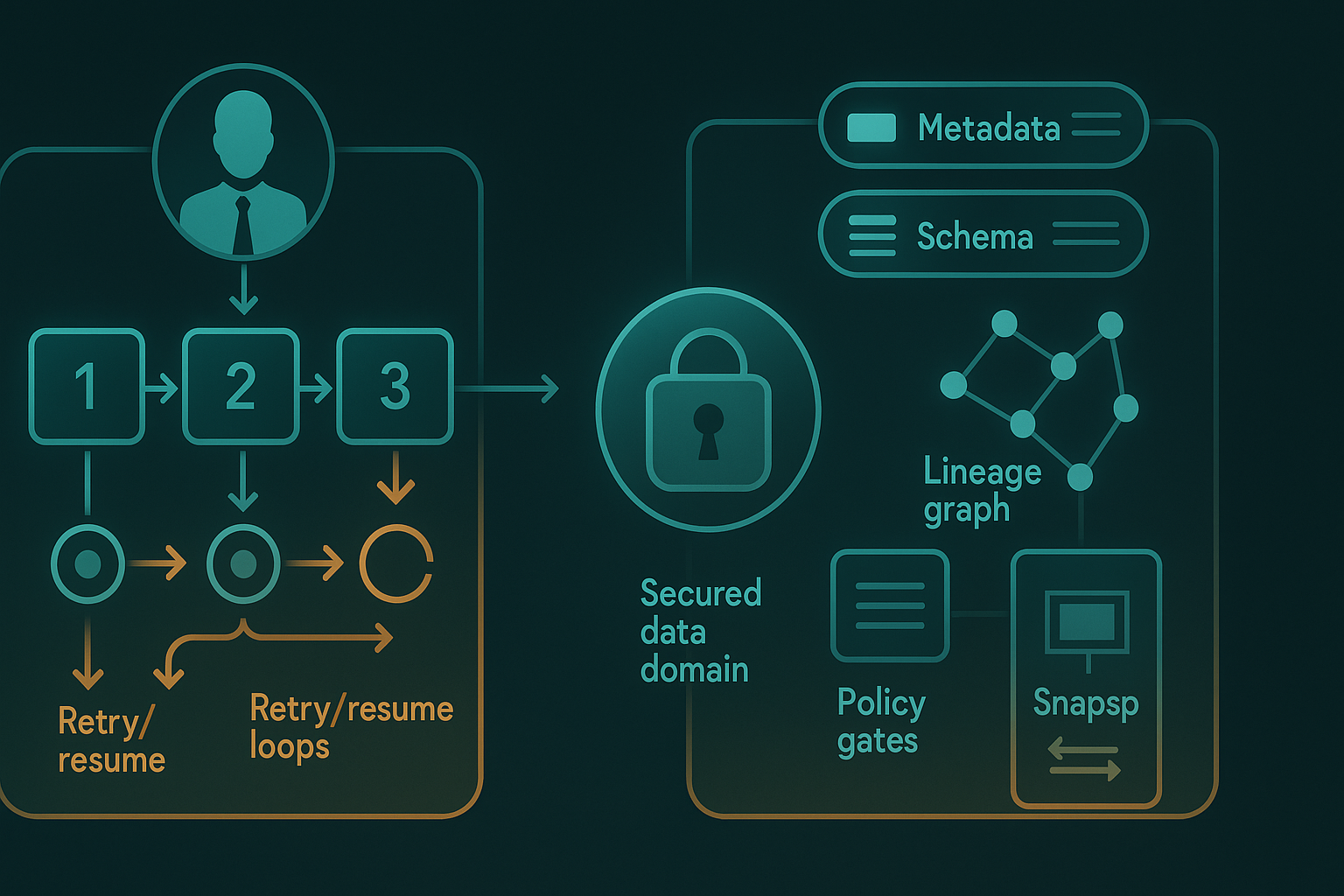
Same date, Temporal announced a $300M Series D to scale durable workflows for agentic apps. That validates what I already felt: agents are long-running, failure-prone, and stateful. Durable execution is not optional once real users show up. I design flows as steps that can retry, resume from a known-good state, and survive flaky APIs without manual babysitting. Even if you don’t adopt Temporal on day one, think like you will. Idempotent steps, stored state, and strong instrumentation save you when the happy path breaks.
I design flows as idempotent steps that can retry and resume from a known-good state.
Coverage here if you want the headline details: Temporal’s raise.
Data wins: Google Cloud highlighted Ab Initio
Also on Feb 18, 2026, Google Cloud showed how Ab Initio helps enterprises unlock governed data for agentic AI. This is the piece many beginners skip. Agents are only as good as their context. I now prioritize clean schemas, discoverable metadata, and freshness that respects compliance. Real time is great until it breaks policy. Decide what truly needs streaming and what’s fine with snapshots.
The post is worth a read if data is your bottleneck: Ab Initio for agentic AI.
If I were starting this weekend
I work backward from something I can ship in a week. One narrow task, a clear finish line, and a leash. Think “draft a customer email from a support ticket and knowledge base” instead of “be my virtual assistant.” If I can’t sketch the flow on a napkin, it’s too big.
I only ship a scoped workflow I can sketch on a napkin with a clear finish line.
- Map tools and data first, then add NIST-style guardrails and logging.
- Set metrics on day zero and save your first golden trace to replay after every change.
- Split the flow into idempotent steps that can retry and resume without rerunning everything.
- Keep a human in the loop for approvals until the traces prove it’s safe to relax.
A beginner-friendly stack that won’t fight you
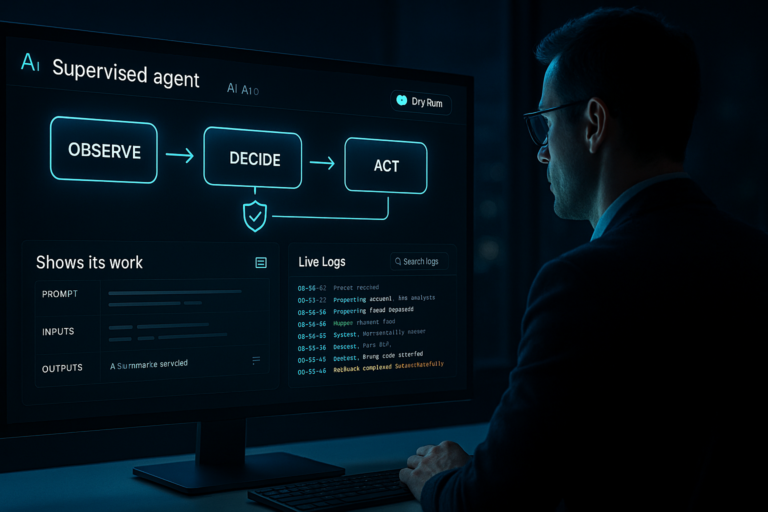
Keep it calm and debuggable: one LLM you trust for your domain, one retrieval layer backed by a clean index of documents the agent is allowed to use, one simple orchestrator with step boundaries and retries, one evaluation harness to run golden traces and report cost and latency, and a tiny dashboard that shows runs, inputs, outputs, and tool calls.
If you outgrow the orchestrator or need enterprise-grade durability, that’s when I’d consider Temporal. If your data surface spreads across multiple systems with strict governance, that’s when an Ab Initio-style approach pays off. Start small. Label the doors.
I start small and label the doors so the agent only goes where it should.
The risk nobody wants to own
System-level access sounds powerful until it isn’t. I default to least privilege, wrap every tool behind a permission check, keep secrets in a vault, and log tool usage with timestamps and inputs. That way postmortems are boring and conclusive, and security reviews are faster because the evidence is already there. This is where the spirit of the NIST push actually helps you ship with confidence.
Where this leaves beginners in February 2026
I’m energized. In one day we got a standards anchor, a pragmatic evaluation guide, a serious bet on durable infrastructure, and a reminder that data plumbing is the unlock. Build a tiny agent that solves one problem, feed it clean data, give it explicit tools and a leash, measure it like a product, and make the steps durable. You’ll be ahead of most demos on the internet and you’ll know exactly what to improve next week.
I build a tiny agent that solves one problem before expanding.
FAQ
What is agentic AI for beginners in plain terms?
It’s a practical way to let models take multi-step actions with tools and data toward a goal. Start with one scoped workflow, clear permissions, and logs so you can see what happened and why. Think simple actions that chain together reliably, not open-ended autonomy.
Do I need Temporal on day one?
No. You can start with a lightweight orchestrator if you model your steps to be idempotent and stateful. Temporal shines when you have long-running flows, flaky APIs, or scale. Design like you’ll need durability later, and the migration will be painless.
How do I evaluate agents without a big setup?
Define success upfront, track completion, latency, and cost, and save one great end-to-end transcript as your first golden trace. Replay it after every change. Add unit tests for tools and keep a human in the loop for edge cases until your traces are stable.
What’s the simplest way to handle data access?
Pick one authoritative source, document schemas, and limit the agent to a clean index of allowed documents. Add access controls early and decide where real-time data is truly needed. Good metadata and lineage will save you from context drift.
Is now a good time to build?
Yes. Feb 18, 2026 delivered standards alignment, an evaluation blueprint, infrastructure validation, and a clear data play. That combination lowers risk and accelerates learning loops for beginners. Ship something small this weekend and iterate.