
Agentic AI just got real on February 18, 2026. I spent the morning sifting through launches and interviews, and I want to show you what actually shipped, why it matters for beginners like me, and what you can copy this week without a giant budget.
Quick answer: Agentic AI moved from demos to production on February 18, 2026 across security, payments, insurance, and infra. If you are starting now, ship a tiny agent with two tools, ruthless logging, and a hard stop. Pick one boring workflow, force a clarifying question, and keep a human in the loop. You will learn more in three days than in a month of planning.
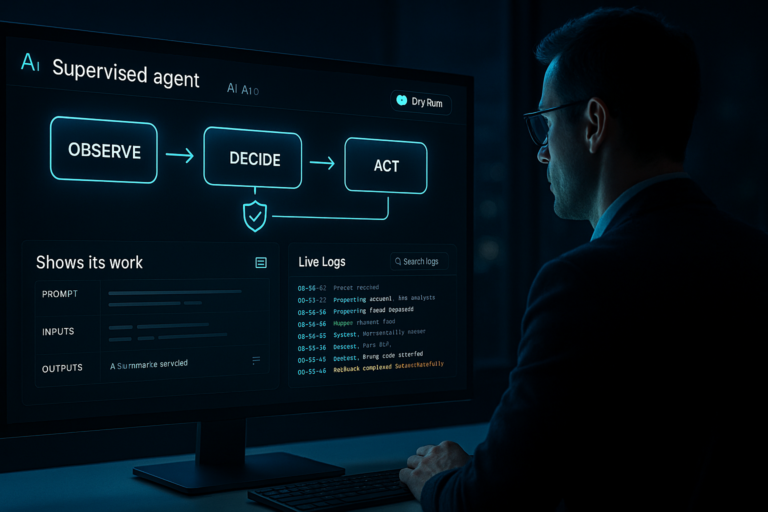
I always start by shipping a tiny agent with two tools, ruthless logging, and a hard stop. You will learn more in three days than in a month of planning.
What I mean by agentic AI
In plain English, agentic AI plans steps, uses tools, acts, checks itself, and adjusts. It is not just answering a question. The framing clicked for me after reading the MIT Sloan explainer that landed February 18. My rule now is simple: if it cannot plan and act with tools, it is automation, not an agent.
What actually changed on Feb 18, 2026
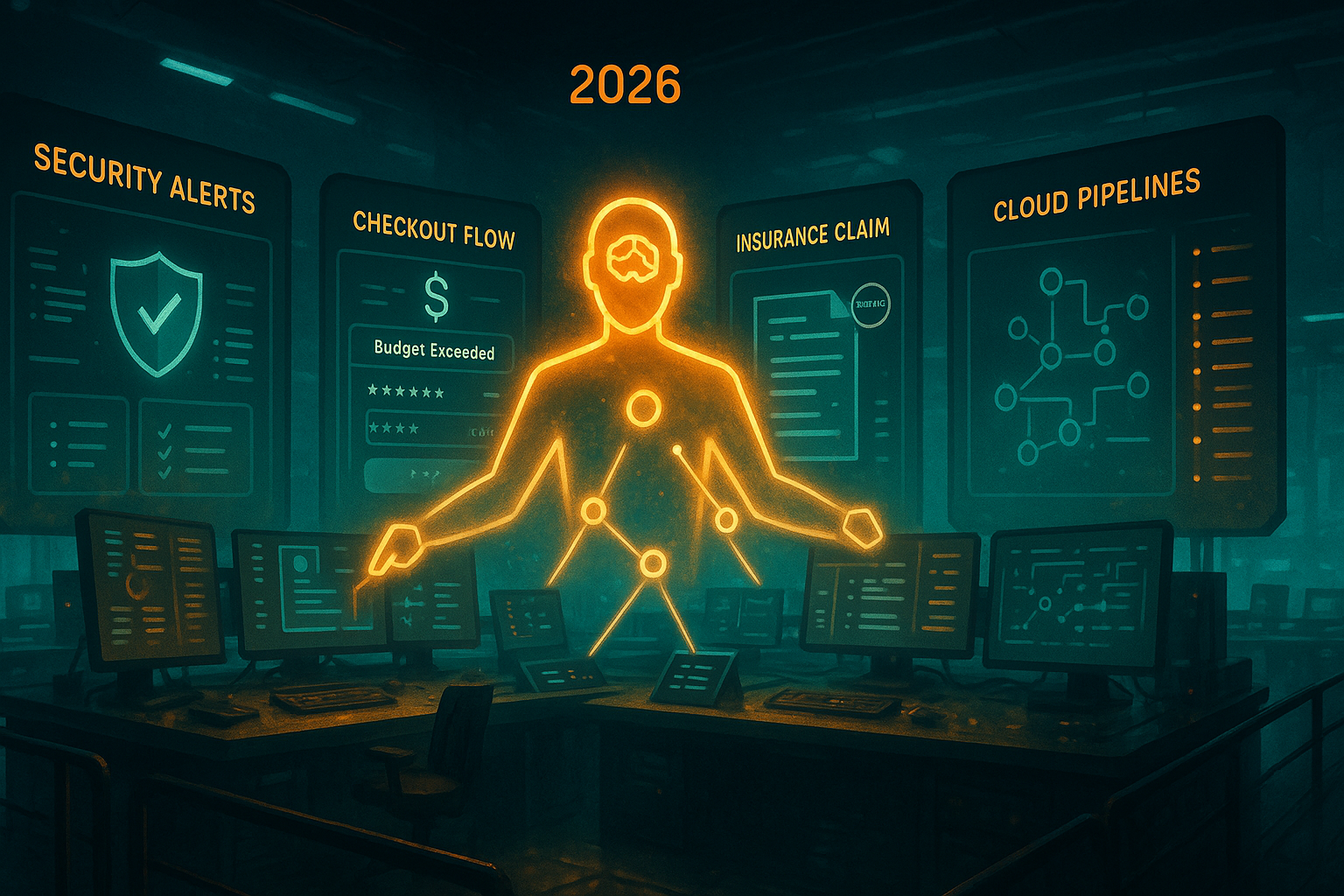
Five meaningful moves hit on the same day across different industries. That is a signal. Here is what stood out to me and the small-scale versions I would build this week.
Security operations finally went agentic
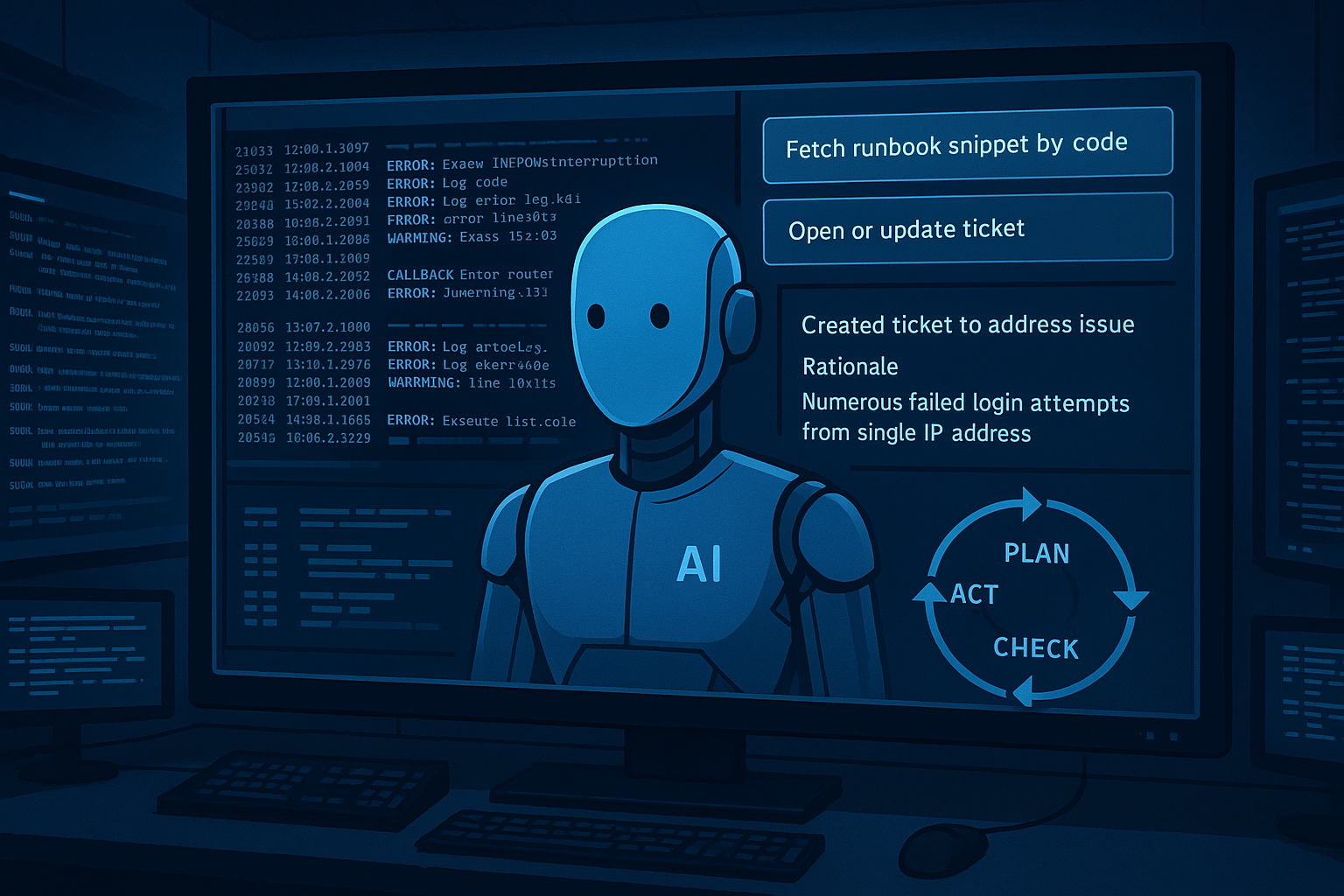
Swimlane announced an AI SOC with an agentic backend on February 18, covered by SiliconANGLE. Translation for beginners like me: playbooks stopped being if-this-then-that. An agent now reads alerts, grabs context, decides what to try next, takes a bounded action, then loops until the goal is done. I copied this on a tiny scale by pointing an agent at error logs with two tools only: fetch a runbook snippet by code, and open or update a ticket. It chose when to file and wrote a short rationale. No fancy stack needed.
I copied this on a tiny scale with just two tools: fetch a runbook snippet by code and open or update a ticket.
Payments are testing autonomous checkout
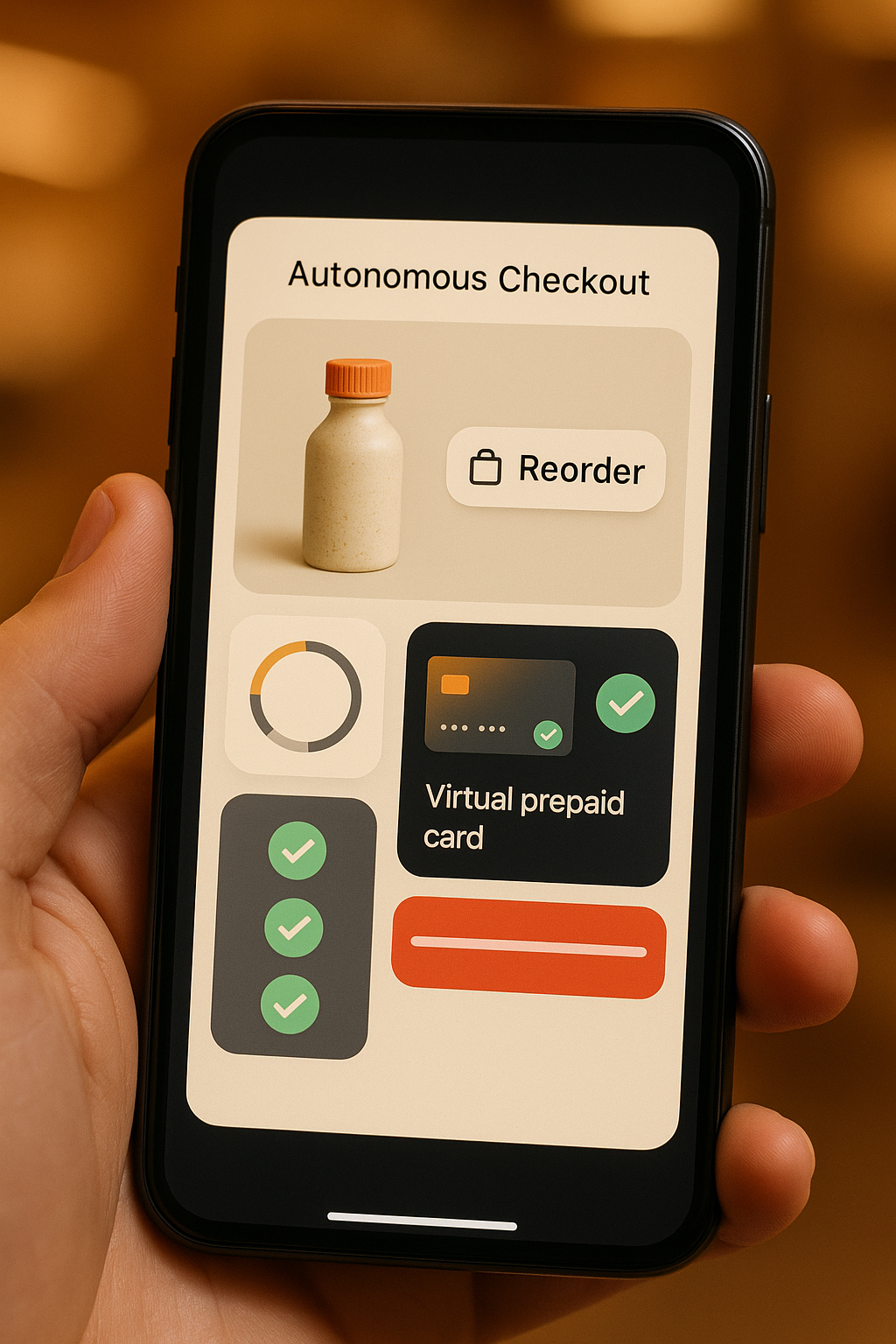
DBS and Visa kicked off agentic commerce trials in Asia Pacific on February 18, which FinTech Futures highlighted. The word trials matters. It means limits, refunds, and fraud checks are being dogfooded on real rails. My take-home experiment was simple: use a prepaid virtual card with a tiny cap, script a small agent to reorder one consumable I actually use, enforce a price ceiling, and post every decision to Slack. Hard stop if anything looks odd.
Insurance claims got a co-pilot
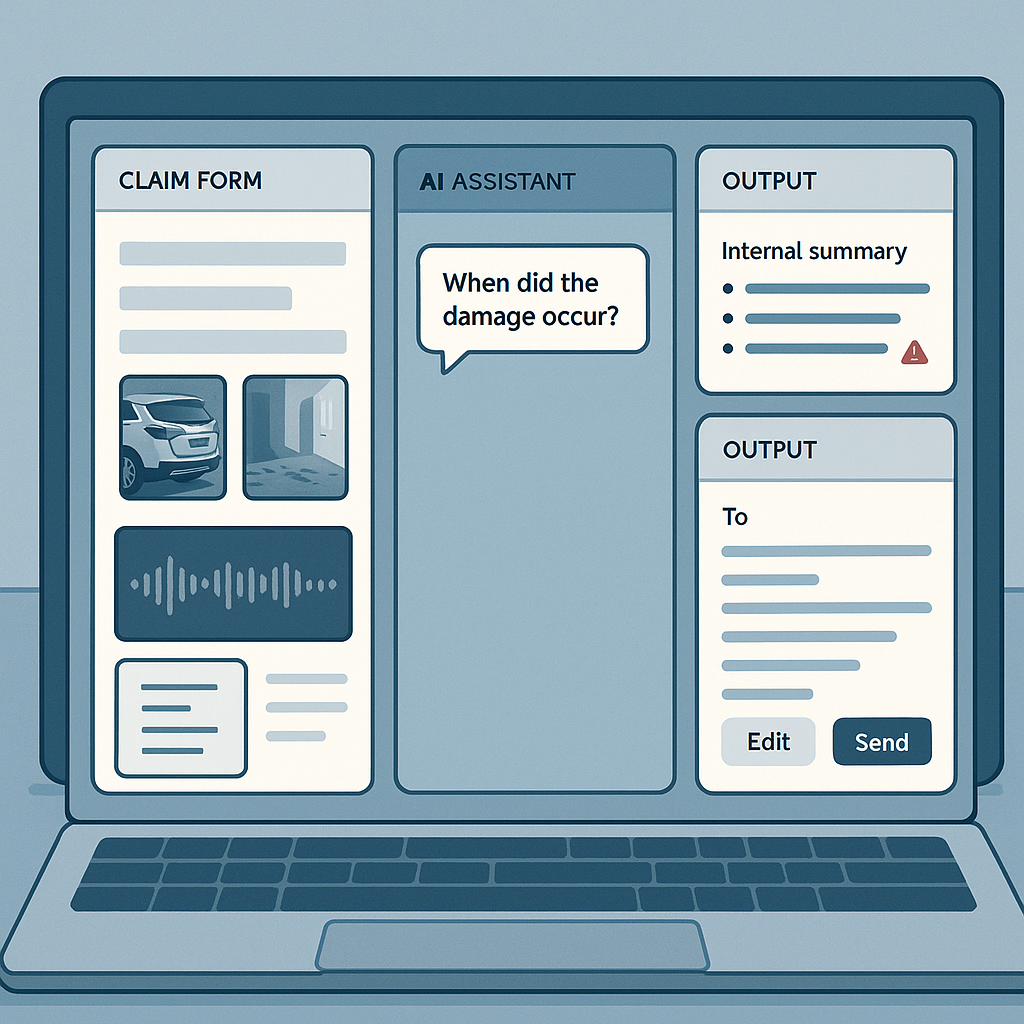
Travelers launched an agentic AI Claim Assistant with OpenAI on February 18. Claims are perfect for agents because they blend documents, photos, calls, and rules. If I were starting fresh, I would build a workflow that reads an intake form, extracts fields, asks for exactly one missing piece, then drafts two outputs: an internal summary with confidence and red flags, and a templated next-step email. Human approves the send every time.
Infra is becoming the agent highway
Cloudflare drew a 16 percent pop on February 18 tied to enterprise demand for its agentic AI angle. The lesson for me is not vendor specific. Edge compute, queues, webhooks, and decent logs are the canvas. You do not need a monolithic agent OS to start. You need small tasks on a schedule, a simple queue so agents can hand off, and a clean log of every thought and action so you can debug.
The definition is finally stabilizing
Back to that MIT Sloan piece on February 18. A clear definition cuts marketing noise and helps teams ship the right thing. If your build does not show planning, tool use, memory, and self-critique, call it automation and govern it that way. If it does, treat it like a teammate with guardrails.
The weekend playbook I wish I had 60 days ago
- Pick one workflow with pain and paperwork. Give the agent two tools max and a zero spend cap for week one.
- Log every thought and action to a searchable table. If you cannot debug it, you will not keep it.
- Force a single clarifying question instead of guessing. Better data, fewer wrong actions.
- Keep a human-in-the-loop on anything customer facing or money touching. No exceptions.
- Track time saved per run and error rate. If it is not improving, your prompt is vague or your tools are too broad.
I force a single clarifying question instead of guessing; it gives better data and fewer wrong actions.
What surprised me
I expected glossy demos. I saw plumbing. SOC playbooks that already exist, now goal driven. Commerce trials that start tiny. An insurance co-pilot focused on the ugly middle work. Infra that looks like the stack we already know, just wired for autonomy. That kind of boring is what sticks.
Risks I am watching
Silent drift worries me. Agents that expand scope or spend quietly are dangerous, so I add budget checks to every tool and log everything. I also watch for hallucinated confidence. A wrong answer said with certainty is worse than a slow human. My fix is to force short rationales with cited inputs and what the agent ignored. Bad behavior surfaces early when you do that.
I add budget checks to every tool and log everything because agents that expand scope or spend quietly are dangerous.
My next steps you can steal
This week I am turning my log triager into a real ops agent with a queue and a small state file so it can pause and resume. I am also testing a purchase guardrail that mirrors the DBS and Visa vibe, but with a comically tiny budget. If it buys coffee twice without me, great. If it tries to be clever, it gets shut down and I learn. I am also building a claims-style flow for client onboarding. Same structure, different nouns.
FAQ
What is agentic AI in plain English?
Agentic AI takes a goal, plans steps, uses tools or APIs, acts, checks results, and adjusts. It is different from a simple chatbot because it can execute and verify tasks. If it cannot plan and act, I do not call it agentic AI.
What can a beginner build this week?
Start with one repetitive workflow that has clear guardrails, like triaging logs or reordering a single consumable. Give the agent two tools, add strict logging, force one clarifying question, and keep a human in the loop. You will get real signal fast.
How do I keep agentic AI safe?
Budget every tool, log every thought and action, and require human approval for anything customer facing or financial. Make the agent justify decisions in plain language with cited inputs so review is quick and trust grows.
Do I need a big platform to run this?
No. You need a place to run small tasks on a schedule, a simple queue for handoffs, and clean observability. If you already use serverless functions and a message bus, you are most of the way there.
Final thought
Agentic AI did not arrive today. It got practical on February 18, 2026. Security teams are shipping it, banks are trialing it, insurers are staffing it, and the infra is ready. If you only copy one thing, ship a tiny agent with two tools, rich logging, and a hard stop before the week ends. Momentum matters.
If you only copy one thing, I’d ship a tiny agent with two tools, rich logging, and a hard stop before the week ends.