

Agentic AI is finally snapping into focus for me. Over Mar 22–23, 2026, five updates landed that felt like a progress report on where this is actually going: Google pushing agentic checkout, a16z warning that ads could get squeezed, Microsoft shipping guardrails, McKinsey saying adoption is still early, and Tencent sliding an agent into WeChat.
Quick answer
Agentic AI is shifting buying, security, and daily workflows from prompts to goal-completion. In travel and e-commerce, whoever owns the agent that closes the loop will control demand. Ads get less air if agents buy directly. Microsoft’s new controls make this enterprise-ready. Adoption is only ~10% so far, which means big upside. Start with one loop-closing task, tight guardrails, and measurable wins.
What agentic AI actually is, in plain English
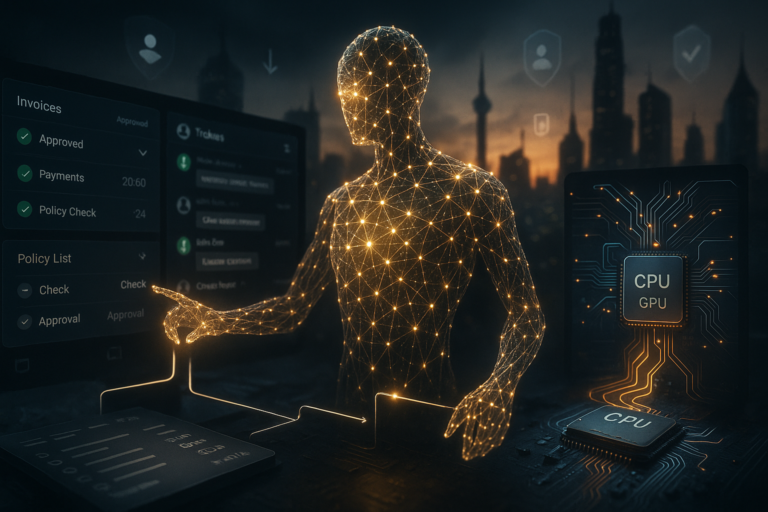
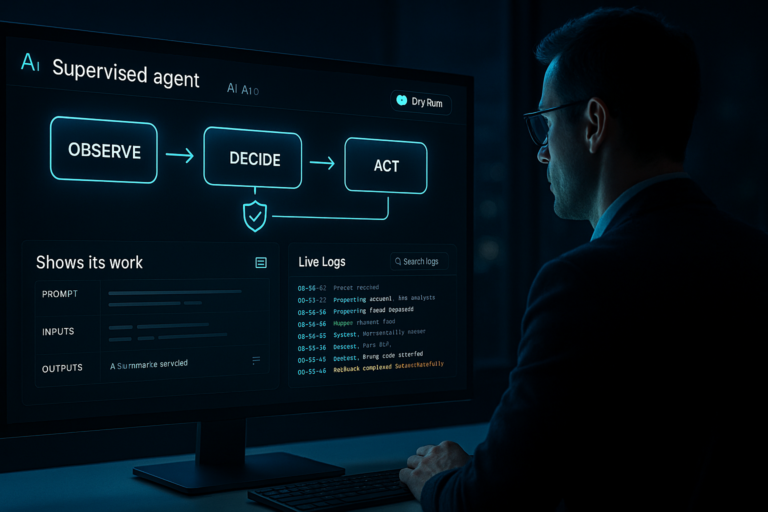
When a model stops waiting for prompts and starts planning, deciding, calling tools, retrying, and reporting back, that’s agentic AI. Think of it like a junior ops teammate that books travel, opens tickets, revokes access, or reconciles invoices, then shows you what changed.
I think of it like a junior ops teammate that books travel, opens tickets, revokes access, or reconciles invoices, then shows me what changed.
I don’t try to automate everything. I pick one narrow job, give the agent a short toolbelt, set hard guardrails, and watch it closely until I trust it. Simple beats clever.
Google’s agentic e-commerce push could quietly flip travel
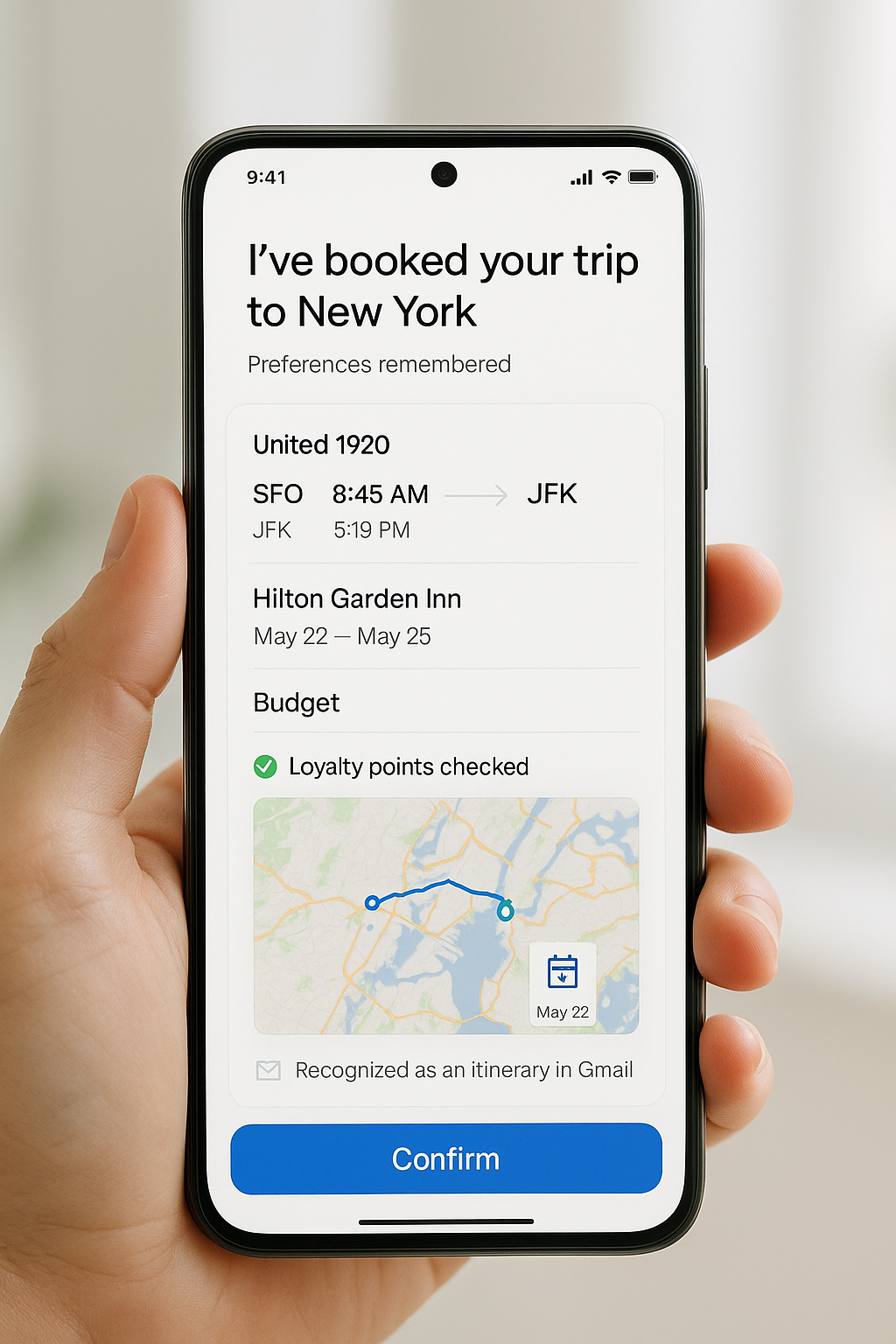
On March 23, 2026, PhocusWire argued Google is best positioned to win agentic e-commerce, with travel as the early domino. It makes sense. Google owns search intent, inventory, Maps, Pay, Gmail, and Trips. Stitch a travel agent on top that remembers preferences, checks rewards, and books in one confirmation and you get fewer tabs, fewer comparisons, more done.
Why this matters
If agents become the front door to shopping, power shifts from ad slots and affiliate pages to whoever closes the loop. I’m already designing for end-to-end tasks, not isolated prompts.
I design for end-to-end tasks, not isolated prompts.
My take
If you touch travel or e-commerce, make your stack agent-ready: clean product data, stable APIs, readable refund and cancellation policies, and instant confirmations. Humans forgive friction. Agents don’t.
a16z Crypto says ads get squeezed when agents buy
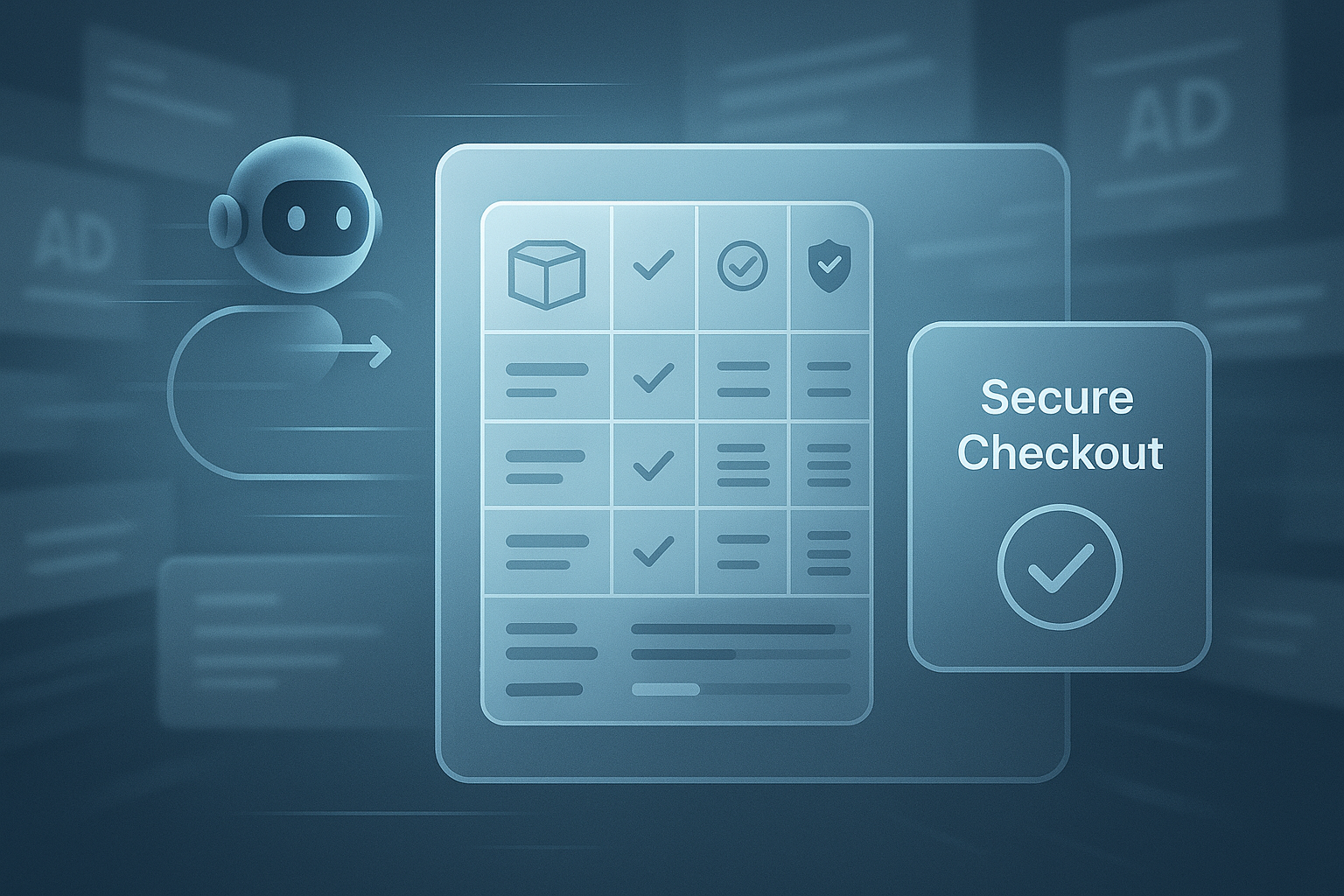
Also on March 23, 2026, a16z’s take via TradingView was blunt: as agentic commerce grows, internet ads lose oxygen. If my agent already knows my constraints and preferences, it won’t scroll past 12 display ads. It will query a marketplace or protocol, evaluate options, and check out.
What actually changes
Discovery shifts from grabbing attention to being machine-legible and trustworthy. Spec sheets, warranties, inventory, verified reviews, delivery SLAs, and API performance become marketing assets as important as creative.
I focus on being machine-legible and trustworthy, not just grabbing attention.
How I’m prepping
I’m making offers readable to machines: structured product data, published lead times and support SLAs, standardized SKUs, scope templates, and acceptance criteria. If agents can validate me in milliseconds, I win without shouting.

Microsoft’s guardrails for agentic AI are here
On March 22, 2026, SiliconANGLE covered new agentic AI security moves across Defender, Entra, and Purview. Translation: Microsoft is threading agents into threat, identity, and data governance with oversight, auditability, and least-privilege access.
Why I care
The second an agent touches real data or money, security is not a later problem. Having role-based access, approvals for high-risk steps, and immutable logs built into familiar tools makes this feel like normal IT, not a lab project.
I treat security as day one the second an agent touches real data or money. Role-based access, approvals, and immutable logs make it feel like normal IT.
First steps I recommend
Even outside Microsoft, I copy the principles: scoped API keys, RBAC for agents, human approvals for irreversible actions, and detailed logs of every decision and tool call.
McKinsey: only ~10% of enterprise functions use agents
Forbes highlighted on March 22, 2026 that McKinsey found just 10% of enterprise functions are using AI agents. Weirdly encouraging. The low-hanging fruit is still there, and you don’t need five years of moats to make progress.
Where I see early wins
Repeatable workflows with messy stitching and slow handoffs: supplier onboarding, invoice matching, IT access requests, marketing ops, expense cleanup, tier-1 support, internal data retrieval. If there’s an SOP, there’s a path to an agent.
Tencent tucked an agent into WeChat
On March 22, 2026, PYMNTS reported Tencent added an AI agent called OpenClaw to WeChat. If you haven’t used it, WeChat is messaging, payments, and mini-apps in one place. Dropping an agent there is like adding a smart concierge where people already live online.
What I’m watching
Two things: how permissions and consent are handled in a dense super-app, and whether mini-apps ship agent-friendly endpoints so WeChat’s agent can execute tasks across that ecosystem.
What I’m doing this week
I keep it simple: one agent, one loop, one measurable win. Here’s the tiny playbook I actually use.
I keep it simple with one agent, one loop, and one measurable win.
- Pick a loop-closing task like vendor email triage that ends with a clear handoff or approval.
- Give the agent 2 to 4 tools max, like knowledge search, one internal API, ticket creation, and summary.
- Add human approval for purchases, permission changes, or customer messages.
- Track cycle time and accuracy. If one improves and the other doesn’t tank, keep going.
FAQs
What is agentic AI in one sentence?
An agentic AI plans and executes steps toward a goal using tools and data, then reports back, instead of just answering prompts.
Will agentic AI kill online ads?
Probably not kill, but it will squeeze. If agents buy directly, discovery shifts to structured data, reputation, and reliability. That favors businesses that are easy for machines to verify.
How do I make my store agent-ready?
Use product schema, expose stable APIs, publish lead times and policies, standardize SKUs, and return fast, machine-readable confirmations. Agents value clarity more than persuasion.
Is it safe to let agents act on my data?
Yes, if you enforce least privilege, approvals for risky actions, and immutable logs. Microsoft’s recent updates show the enterprise stack is catching up to these needs.
What’s a good first agent to build?
Pick something repetitive with a clear definition of done, like cleaning expense receipts or triaging vendor emails into your system with one approval step at the end.
The bottom line
Between March 22 and 23, 2026, we got a mini roadmap. Google is lining up agentic checkout for travel, a16z is flagging what happens to ads when buyers are bots, Microsoft shipped the safety rails, adoption is still early, and Tencent showed how distribution wins. Don’t chase the whole wave. Ship one agent that closes one loop. Then do it again.