
Agentic AI just pulled the future forward for me. On March 26, five announcements landed and I immediately rewired my next 90 days of builds.
I immediately rewired my next 90 days of builds.
Quick answer
March 26 brought real momentum for agentic AI across silicon, IoT feedback loops, everyday enterprise workflows, runtime security, and practical governance. My takeaways: design for concurrency, wire in observability early, treat security as the runtime, and bake explainability into outputs. I’m already prototyping with Arm-optimized instances, simple IoT guards, Workday-style approvals, and Databricks-like policy checks.
My takeaways: design for concurrency, wire in observability early, treat security as the runtime, and bake explainability into outputs.
Hardware finally shows up for agents
Arm’s data center green light
EE Times reported on March 26, 2026 that Arm launched its first silicon CPU aimed at data center agentic AI workloads. The headline for builders like me is simple: more headroom for lots of concurrent tool calls, bigger context windows, and heavier orchestration without melting a node. That means less duct tape between fast inference, slow orchestration, and awkward storage I/O.
When vendors say agentic workloads out loud, optimizations usually follow fast. I’m expecting better scheduling for tool-using models, saner latency for long-running chains, and tighter energy profiles for fleets of small agents. Even if you are not buying servers, cloud SKUs tend to follow. I’m sketching for concurrency first, not just token speed. Here is the EE Times piece.

IoT actually gets interesting again
Agents love real-world feedback
SDxCentral captured AT&T’s take on March 26 that agentic AI can make IoT exciting again, and I buy it. My most useful agents lately are not writing emails. They are closing loops with sensors, APIs, and little nags that stop dumb mistakes. Agents are only as smart as their feedback loops, and IoT is a giant feedback buffet. Their coverage is here.
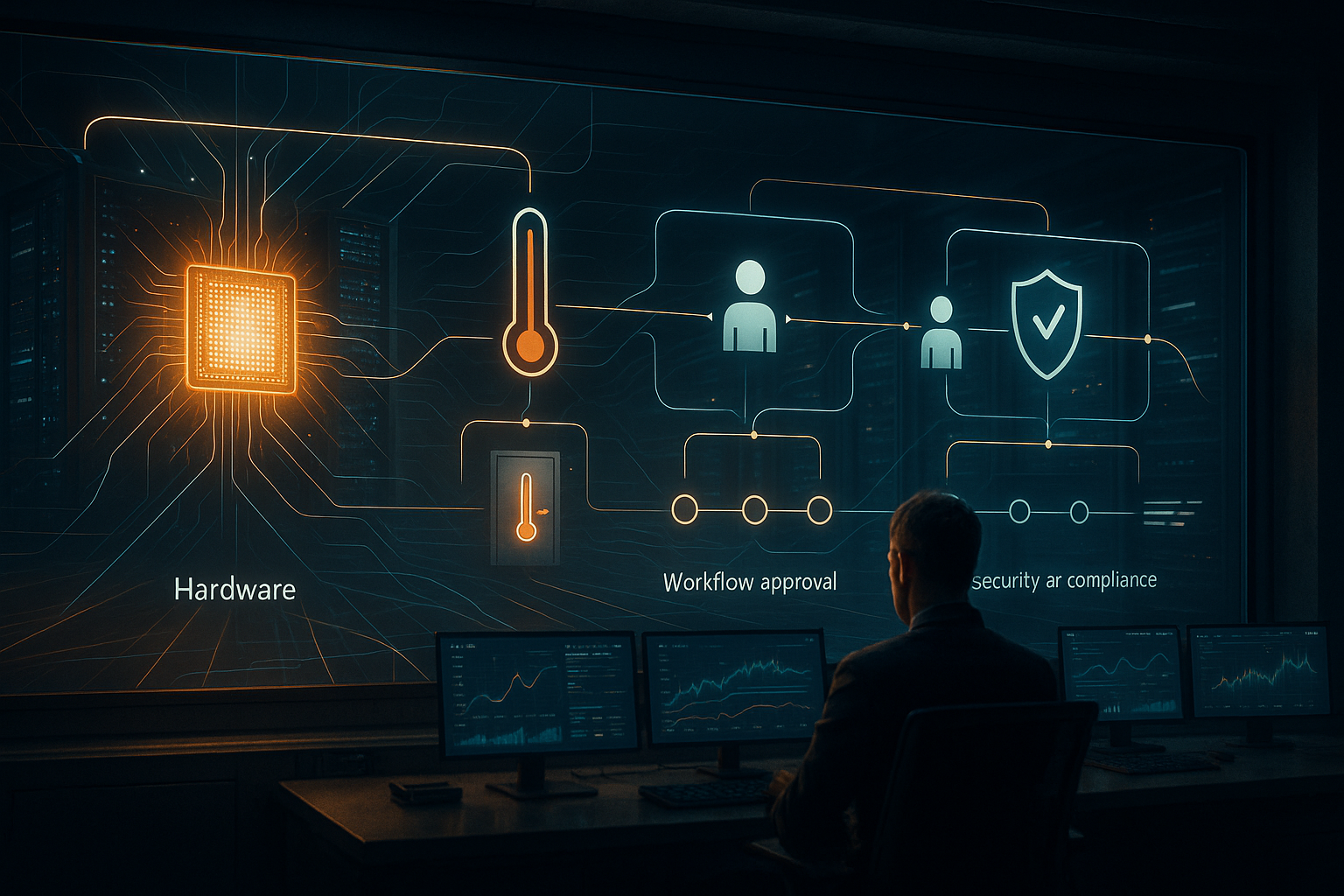
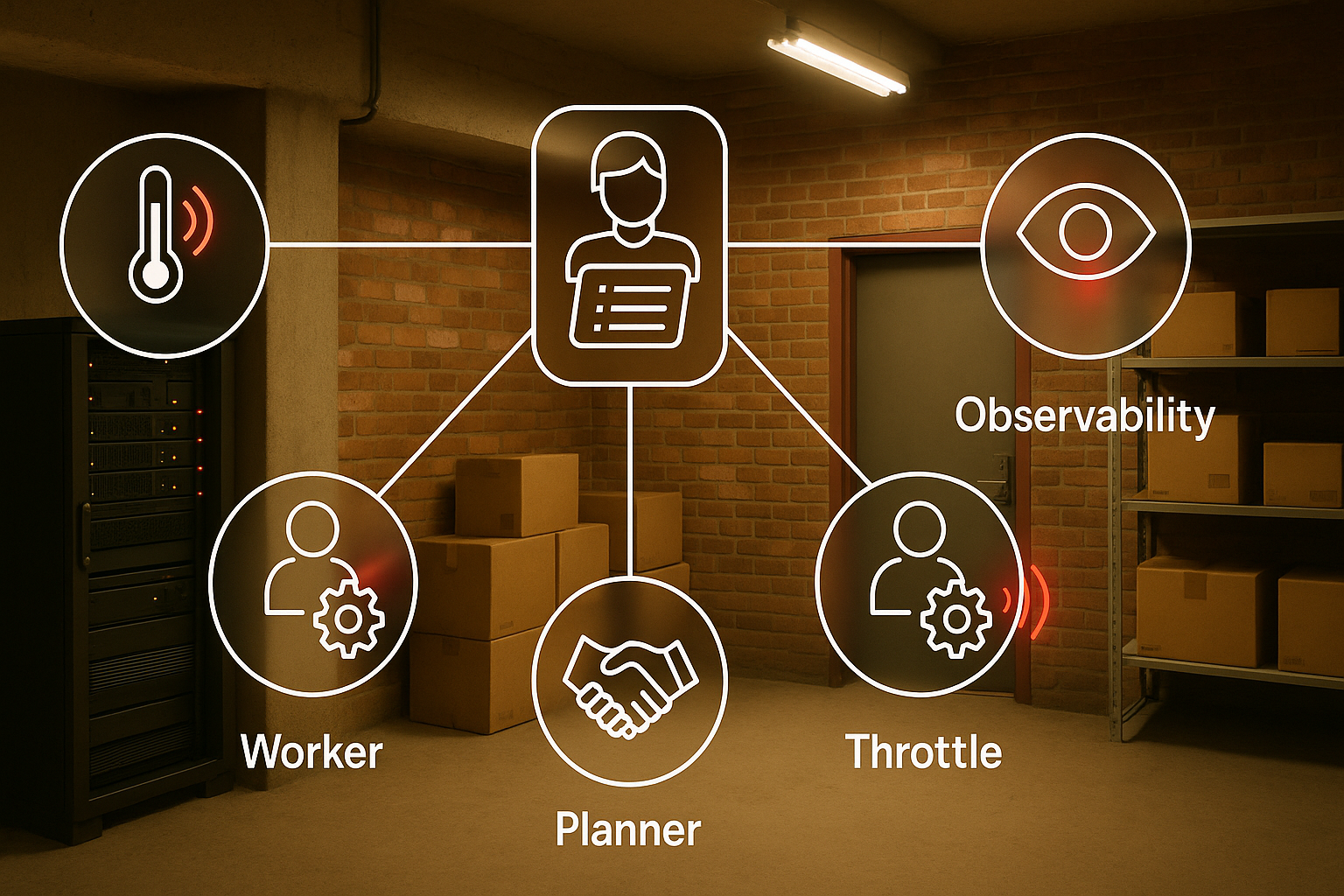
The small stack I’m testing next: one planner, a couple of cheap device-facing workers, and an observability agent that flags anomalies before they become incidents. Think slow temperature drift in a server closet or a stockroom door that does not latch. I keep two guardrails in place every time I touch devices: explicit consent when data leaves a device and strict rate limits with backoff so an eager agent does not DDoS my own network.
Workday pushes agents into actual work
The everyday workflows that win
Also on March 26, Workday talked about the next wave of agentic AI. I do not run payroll on weekends, but I obsess over the boring stuff agents can finally eat: policy lookups, benefits Q&A, headcount planning drafts, and routine approvals with auditable explanations. This is where agentic AI earns trust. Shave five minutes from a hundred small tasks and people quietly stop resisting.
My favorite trick is simple. I require the agent to write its own audit note in plain language. Why did you approve this? What policy did you check? That gives you explainability without building a research lab.
I require the agent to write its own audit note in plain language.
Databricks makes agent security a product
Security is the runtime
CIO Dive reported on March 26 that Databricks unveiled an agentic security platform to fend off AI threats. Even if you never touch their stack, the signal matters. Agents plan, call tools, read data, and sometimes act in the world. That deserves an adult security model, not just prompts and an allowlist. Read the CIO Dive update.
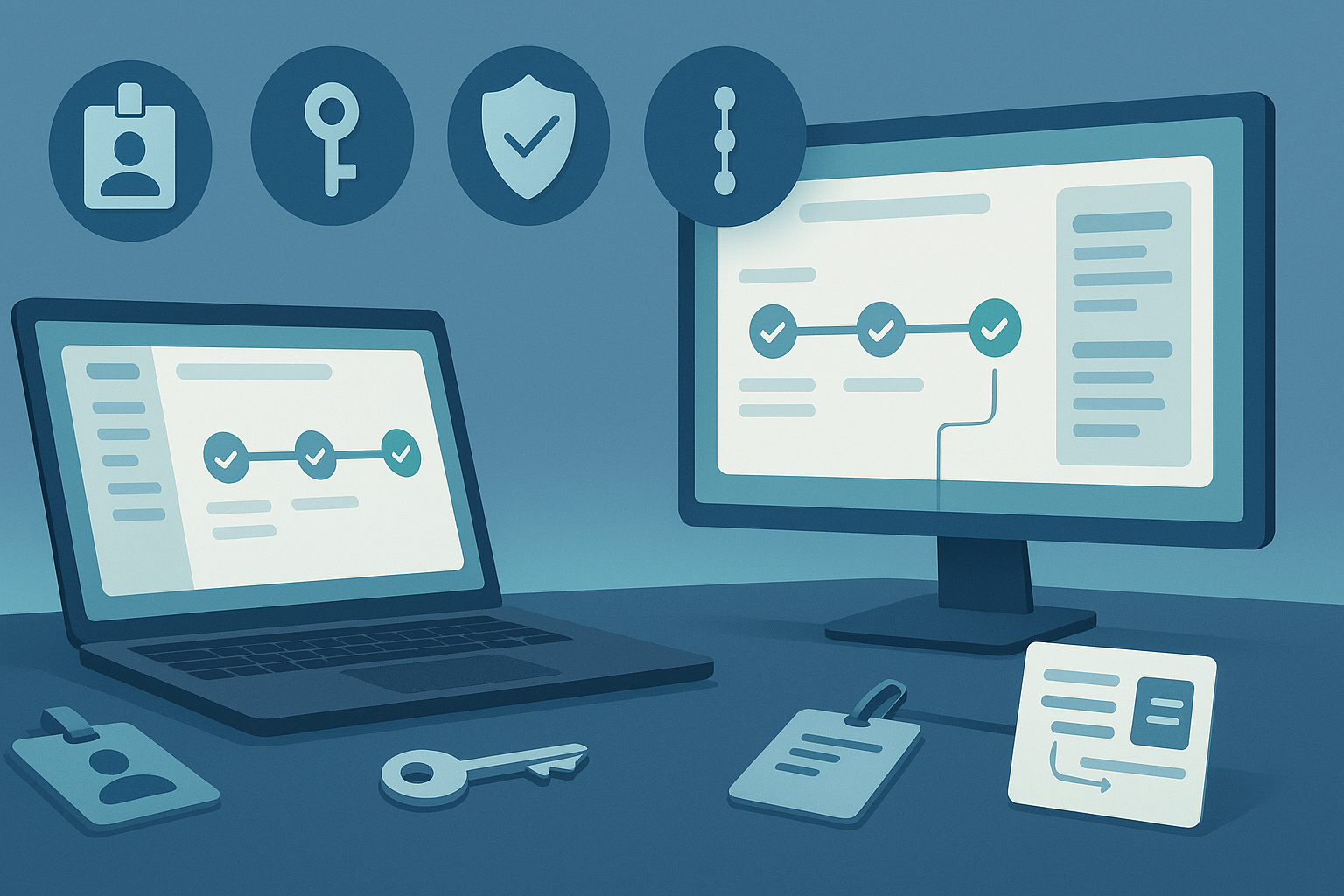
The basics I care about most: identity-aware tool access, runtime policy checks before execution, immutable action logs, and anomaly detection tuned to agent behavior instead of human clicks. If a planner suddenly loves high-risk endpoints at 3 a.m., I want that page before it ships an invoice to space.
Governance you can actually use
MAS’s agentic AI playbook
On March 26, Compliance Week highlighted the Monetary Authority of Singapore’s playbook for agentic AI governance. I bookmarked it for regulated teams the minute I saw it. The themes match what I feel in the trenches: documented decision chains, clear human accountability, and governance that travels with the agent, not just the dataset.
The mindset shift that helped me ship faster is treating governance like a product requirement. When the system can explain itself, you get easier debugging, smoother onboarding, and cleaner handoffs even before anyone shows up with a clipboard.
The mindset shift that helped me ship faster is treating governance like a product requirement.
What I’m changing this week
The tiny checklist I’m using
- Pick one thin slice with a real payoff in 14 days, like a recurring ops check or a simple device guard.
- Design for concurrency, not just token speed. Orchestration and tool calls are first-class.
- Put security in the runtime with per-agent identity, least-privilege tools, pre-execution policy checks, and immutable logs.
- Stand up an observability agent early. It watches other agents, summarizes anomalies, and escalates with context.
- Make the agent write the audit note in plain language with links to evidence.
Make the agent write the audit note in plain language with links to evidence.
How I test this without a platform war
My scrappy starter pattern
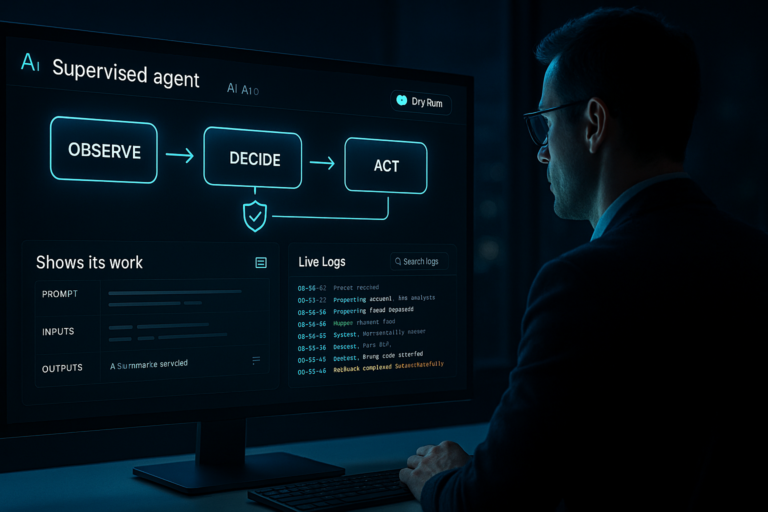
I run a planner that only talks through a gateway that enforces policies and logs every call. My tools are intentionally boring: a read-only data fetcher, a templated writer, and one or two side-effect tools behind approvals. I keep a separate watcher that tails logs and flags weirdness. You can do this with basic queues and a JSON log store long before you bolt on a dashboard.
When that loop is reliable, I swap DIY parts for managed services that map to my needs. After the March 26 news, I expect more agent-optimized infrastructure, more enterprise workflows that ship with governance defaults, and more serious platform-level security. That is great news if you have already proven a tiny loop.
FAQ
What is agentic AI in practice?
Agentic AI is a pattern where models plan, call tools, read and write data, and act with feedback. In practice, that looks like a planner delegating to worker agents, each with narrow permissions and logs, so the system can improve safely over time.
Do I need special hardware for agentic AI?
Not to start. But concurrency and orchestration benefit from modern CPUs and instance types tuned for agent workloads. With Arm’s data center push reported on March 26, 2026, I expect cloud providers to roll out agent-optimized SKUs that help with tool-heavy pipelines.
How should I secure agentic AI systems?
Treat security as the runtime. Give each agent its own identity, restrict tools to least privilege, run policy checks before actions, and keep immutable logs. Add anomaly detection that understands agent patterns, not just user clicks.
Where does IoT fit with agentic AI?
IoT gives agents rich, real-world feedback. Start small with a planner, a couple of device-facing workers, and a watcher that flags anomalies. Just enforce consent and rate limits so you do not create your own outage.
How do I get quick wins with agentic AI at work?
Pick one low-risk workflow with predictable inputs and a clear output format. Force the agent to write its own audit note with links to evidence. You will build trust fast and create a template for the next workflow.
Where this leaves us
In one day, we got a cleaner path from silicon to security to everyday outcomes. Arm is tuning the floor for agent workloads. AT&T reminded me that real-world feedback makes agents smarter. Workday showed how to hide complexity inside tasks people actually want done. Databricks turned security into a product, not a promise. If you were waiting for a nudge to ship a small, responsible agent, this was it.