

Agentic AI just went from buzzword to road map this week, and I felt it. I watched different players move the same direction on March 26, 2026, and it clicked for me: we are shifting from prompts to policies, from answers to actions.
Quick answer: On March 26, 2026, Workday brought agentic workflows into HR, AT&T reframed IoT around autonomous action, Arm launched CPU silicon for agent-heavy orchestration, Databricks debuted agentic security at RSAC 2026, and MAS-style governance got a real spotlight. If you want in, ship one small, safe agent with clear tools, logs, and a one-click approval. Then iterate.
My quick start tip: I ship one small, safe agent with clear tools, durable logs, and a one-click approval, then I iterate.
Workday quietly put agents in your HR stack
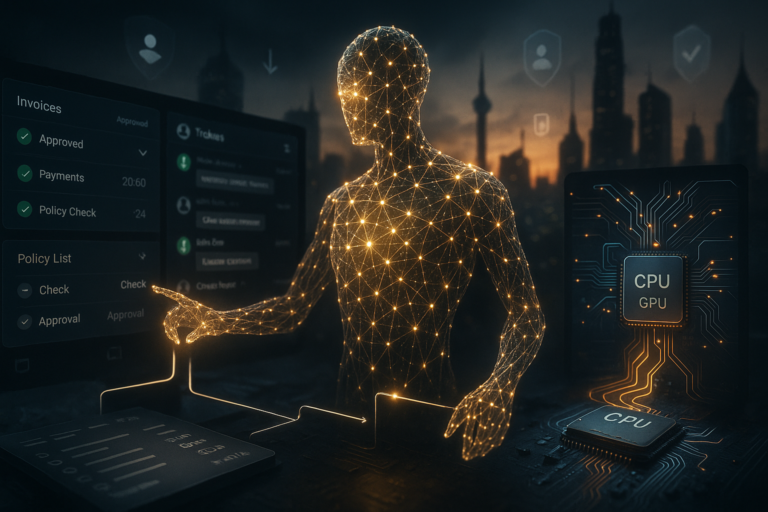
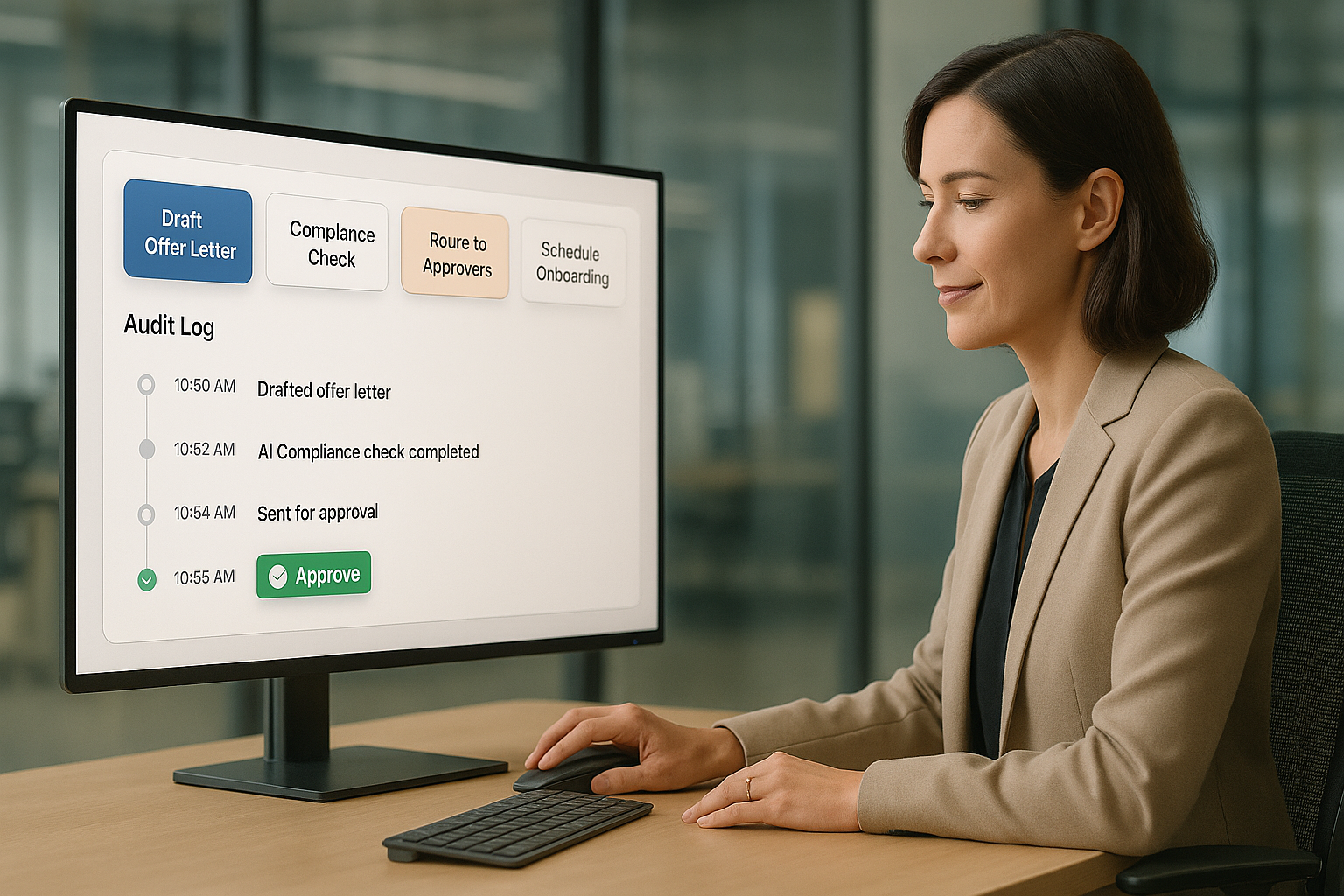
On March 26, 2026, Workday announced the next wave of agentic AI. It read modest, but the implications are not. Think offer letters that draft, route, and schedule onboarding while checking policy. Think quarter-end close that flags and explains anomalies before finance even opens the dashboard.
Why it matters if you’re new
This is the pattern to study: narrow autonomy inside strong guardrails. Tools are defined, actions are scoped, and logs are durable. If you’re learning Agentic AI, mirror that shape on a tiny workflow you already own.
I mirror narrow autonomy inside strong guardrails on a tiny workflow I already own, with defined tools, scoped actions, and durable logs.
AT&T just made IoT interesting again
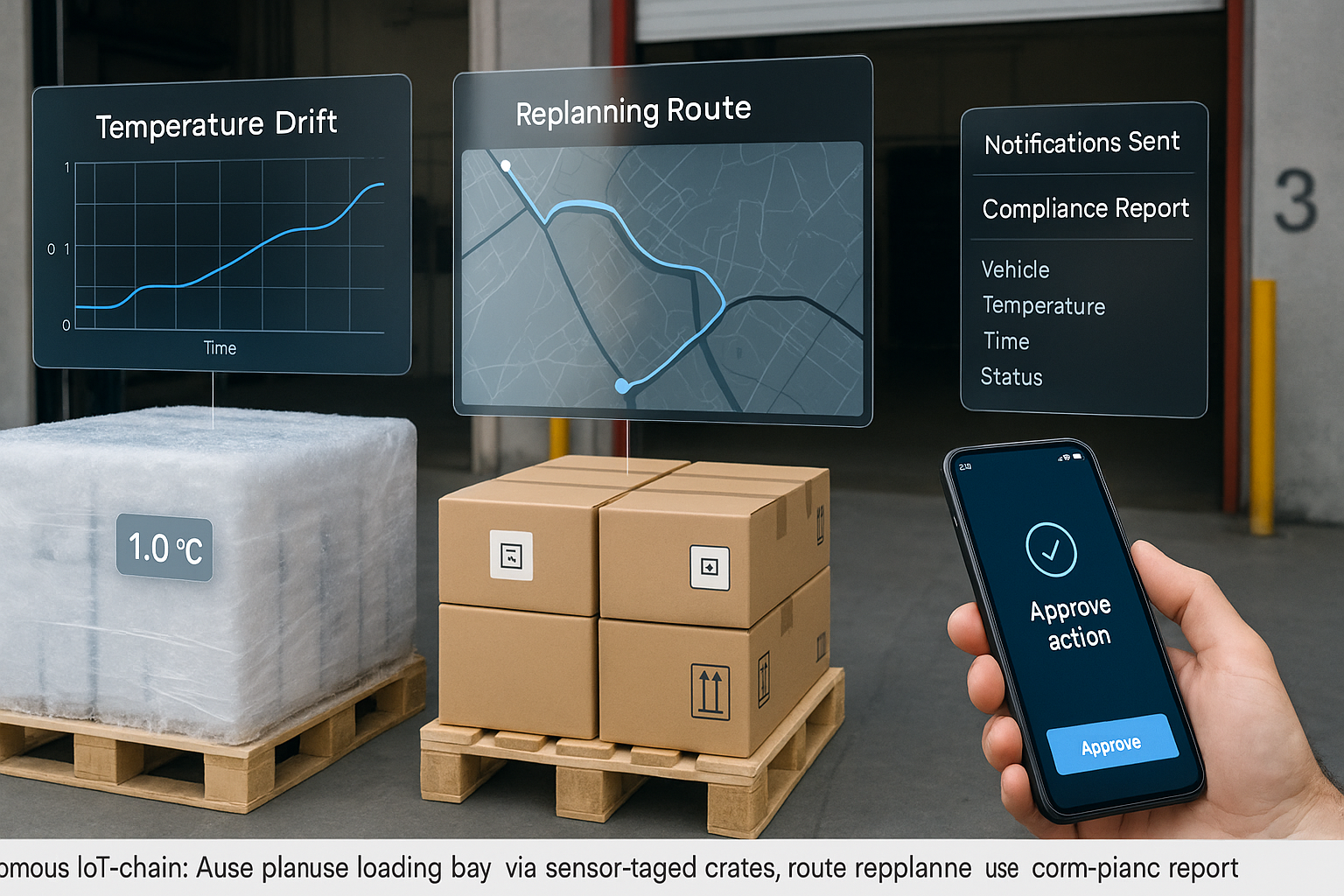
Also on March 26, 2026, AT&T argued that agentic AI can make IoT actually useful. Not more sensors. Smarter systems that sense, decide, act, and verify without a human babysitting. Picture a cold-chain agent that notices a temperature drift, reroutes a shipment, notifies the right people, and files the compliance report.
Where I’d start
You do not need a warehouse. Pick one high-value signal and one safe action. A small agent that watches abandoned carts and kicks off a personalized win-back flow is the same muscle group, just a smaller gym.
I pick one high-value signal and one safe action to start; an abandoned cart win-back agent is the same muscle, just a smaller gym.
Arm leaned into orchestration, not just math
Same day, Arm launched CPU silicon tuned for data center agentic workloads. This matters because agents are more than giant models. They plan, call tools, wait, try again, and run lots of lightweight tasks in parallel. That is classic CPU territory, and it can lower costs while keeping deployments closer to your data.
What that unlocks
Cheaper, denser, more portable backends for fleets of tool-using workers. It also nudges frameworks to get serious about context windows, tool contracts, retries, and timeouts. Less hero model, more reliable orchestra.
I lean on CPU-friendly backends for fleets of tool-using workers and tighten context windows, tool contracts, retries, and timeouts for reliability.
Databricks turned defense into agentic offense
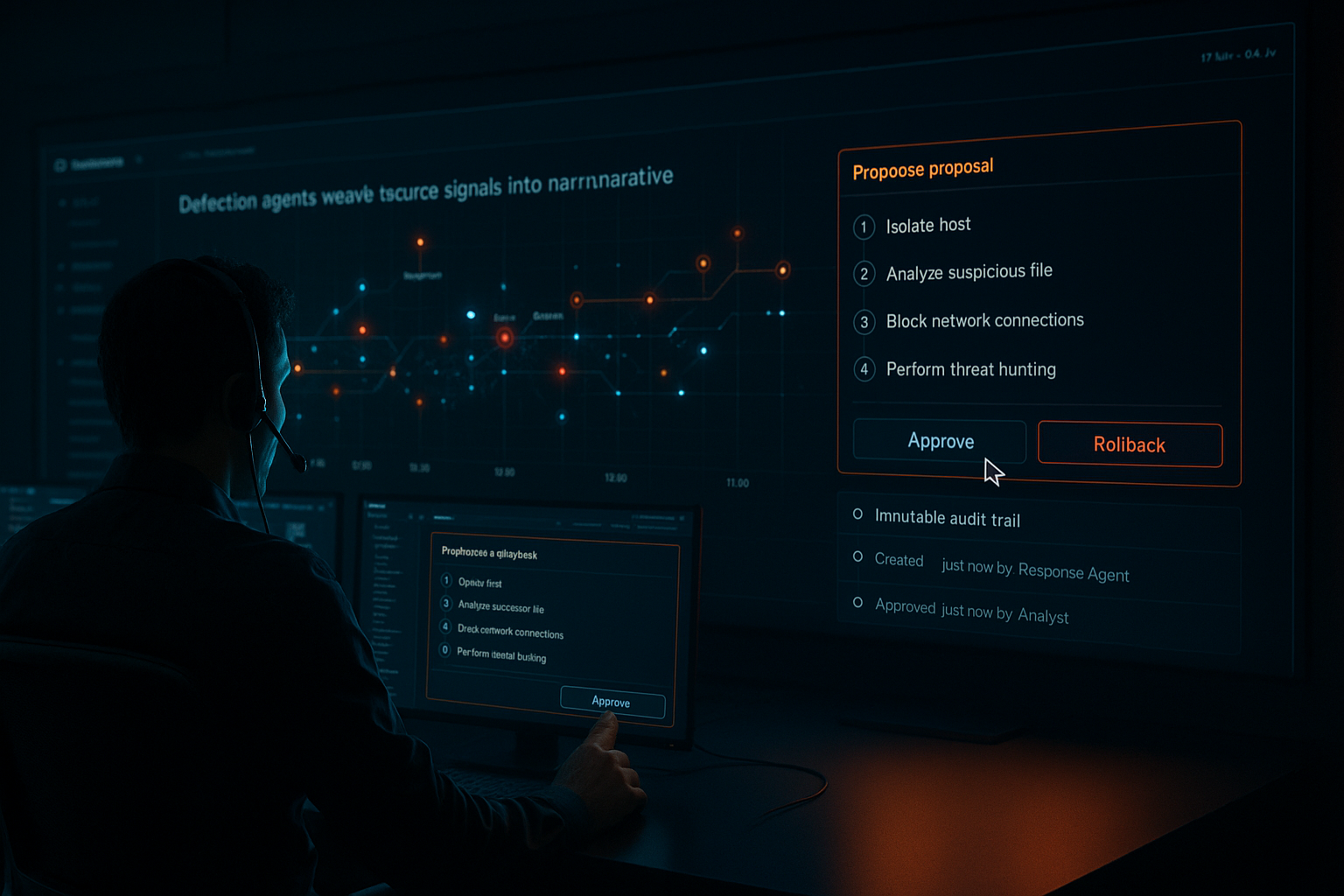
At RSAC 2026 on March 26, Databricks unveiled an agentic security platform. Detection agents stitch signals into stories, response agents propose or execute playbooks, and evaluation loops learn from outcomes. Still humans in the loop, just less whack-a-mole and more chess partner.
How I’d copy this safely
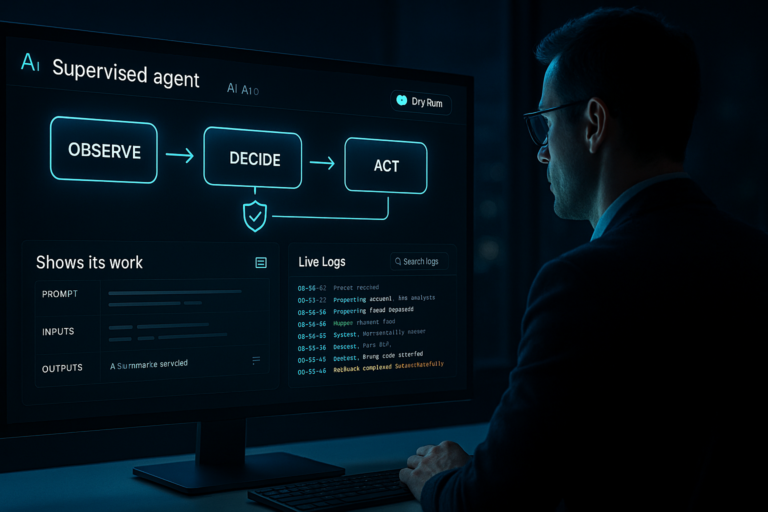
Wire a log-watching agent that drafts a fix and requires a single-click approval to execute. Keep actions sandboxed, gates explicit, and every decision logged. You will feel most of the benefit with a fraction of the risk.
Governance you can actually use today
Compliance Week highlighted how the Monetary Authority of Singapore’s playbook generalizes to any regulated shop. The vibe is practical: define permissible actions, bind agents to identities, keep immutable logs, and simulate failure modes before you ship. It is not a vibe check, it is engineering.
I bring a one-page MAS-style plan to demos so I can define permissible actions, identities, and immutable logs before I ship.
If you want a rabbit hole, start with this overview of the MAS-style agentic AI governance. Bring a one-page plan to your next demo and you will sound like the adult in the room.
What I’m shipping this week
I do not need a giant roadmap. I need one tiny win with the right constraints. Here is the plan I am using after this week’s news:
- Pick a repeatable workflow with one source of truth and one safe action, then add a human-approval button.
- Define allowed tools, write explicit policy gates, and log every decision in an immutable trail with a rollback plan.
- Run it on a CPU-friendly agent backend to keep costs sane, then measure time saved and errors avoided.
- Next week, add exactly one more tool call and repeat.
FAQs
What is Agentic AI in plain English?
It is AI that does more than answer. It plans, calls tools or APIs, takes actions, checks its own work, and keeps going until a goal is met. Think assistant plus operator, but inside clear guardrails you define.
Do I need a huge model or GPUs to start?
No. Many agent tasks are orchestration heavy and run fine on CPU-first backends, which is exactly why the Arm CPU news matters. Start small with narrow tasks and upgrade only when your workload proves the need.
How do I keep agents from going off the rails?
Scope the goal, whitelist tools, add policy gates for risky actions, and log everything. Start with human approval for writes, deletes, or transactions. Simulate failure modes before real users touch it.
Where do agents make the fastest impact?
Anywhere with repeatable steps and messy handoffs. HR onboarding, finance closes, customer support triage, and basic security response are all great first wins. The trick is one clear source of truth and one safe action.
How should I measure success?
Track time saved, error rates, and approvals vs rejections. If you can show faster cycle times with fewer mistakes and clean logs, you are on the right path. Costs should go down as you shift work to orchestration.
My take
What tied March 26 together for me was how normal it all felt. HR focused on outcomes, IoT cared about decisions, hardware favored orchestration, security treated agents like teammates, and regulators spoke like engineers. Ship something small, keep your guardrails tight, measure the wins, and level up one tool call at a time. I am doing the same.
If you try something and it breaks in an interesting way, tell me. We are figuring this out in public while the cement is still wet, and that is the fun part.