
Agentic AI is having a week
Agentic AI just had a moment. I track this space daily, and the moves from Feb 17–18, 2026 changed how I build and what I ship next.
Quick answer: If you’re starting with agentic AI right now, keep it verifiable and safe. Build around clear tool permissions, human approvals for risky steps, and append-only logs. Payments pilots show guardrails work, enterprise SIs are standardizing stateful workflows, security is catching up, and models are getting better at tools. Start with one repeatable task and ship it safely.
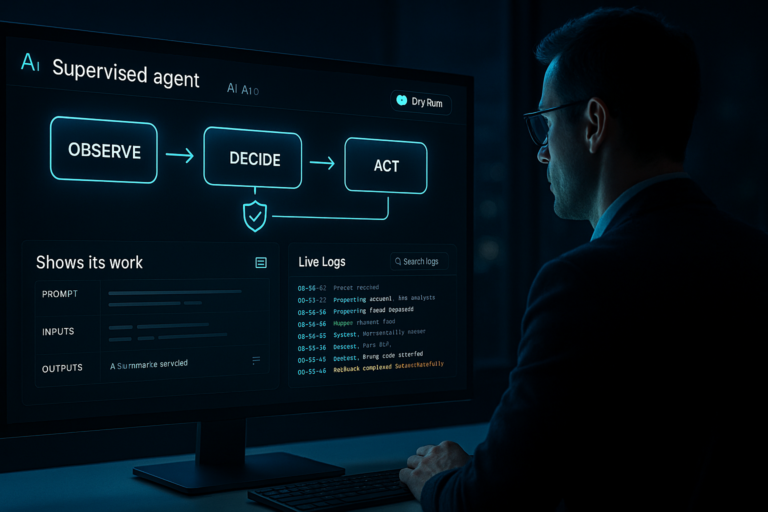
I keep my first agent projects verifiable and safe: clear tool permissions, human approvals for risky steps, and an append-only log.
Why this matters right now
This isn’t future talk. The payments networks, big SIs, and security leaders all moved this week, which makes beginner projects simpler and safer to launch. I’m sharing what landed and exactly how I’d use it, so you can build with confidence instead of guessing.
5 moves that reset the beginner playbook
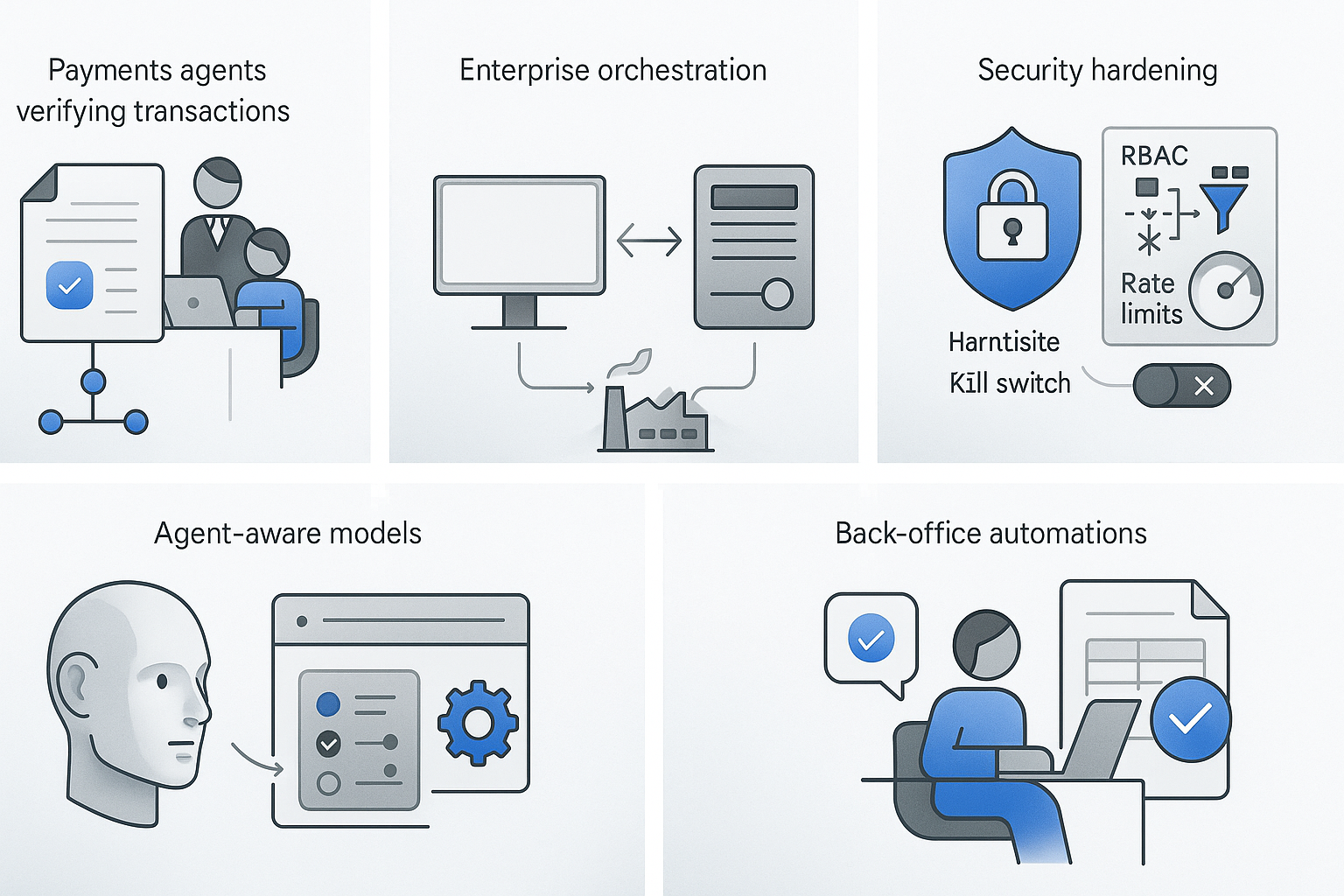
Payments got agents
On Feb 18, 2026, Mastercard and Visa kicked off agentic payment pilots with banks. Payments is usually the last domain to try anything new, so pilots here signal trust in guardrails and auditability.
Why I care: if the card networks are testing agents in dispute handling or support, then compliance, logging, and deterministic steps are becoming solvable patterns. That unlocks invoice matching, expense approvals, and reconciliation for small teams.
I make every money-adjacent workflow verifiable and require human approval for transfers, with a plain-language why I did this note on each action.
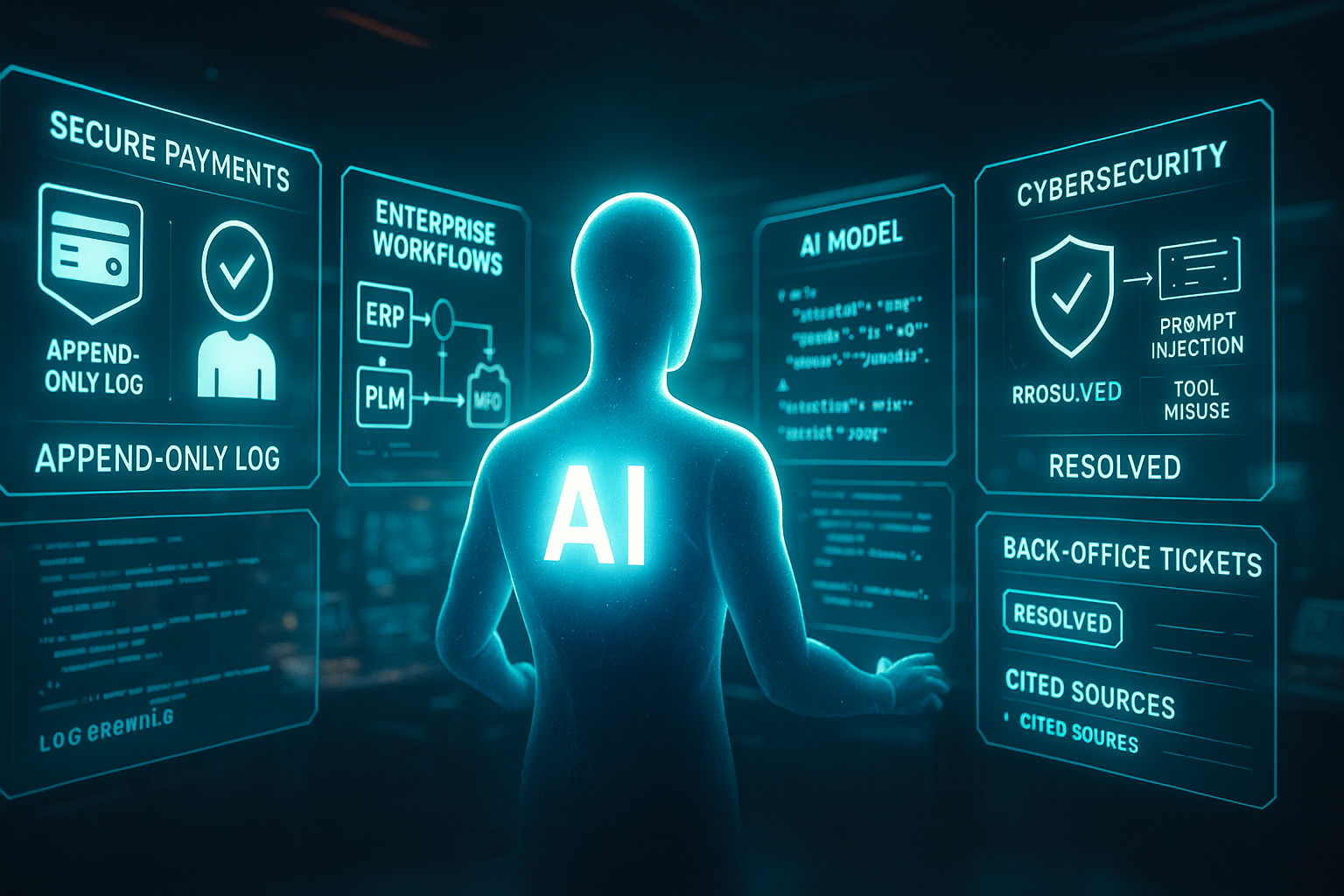
What I’d do: make every money-adjacent workflow verifiable. Keep an append-only log, require human approval for transfers, and have the agent write a plain-language why I did this note on each action.
Enterprise muscle arrived
Also on Feb 18, 2026, Infosys and Anthropic launched agentic AI for BFSI and manufacturing. Orchestrating across SAP, PLM, and legacy stacks is messy, so seeing a major SI productize agents in regulated and factory environments tells me the safety and tooling layers are maturing.
Why I care: beginners often overfit to chat. Real work is multi-step, multi-system, and repeatable. Policies, approvals, and fallback states are the template for agents that survive beyond a demo.
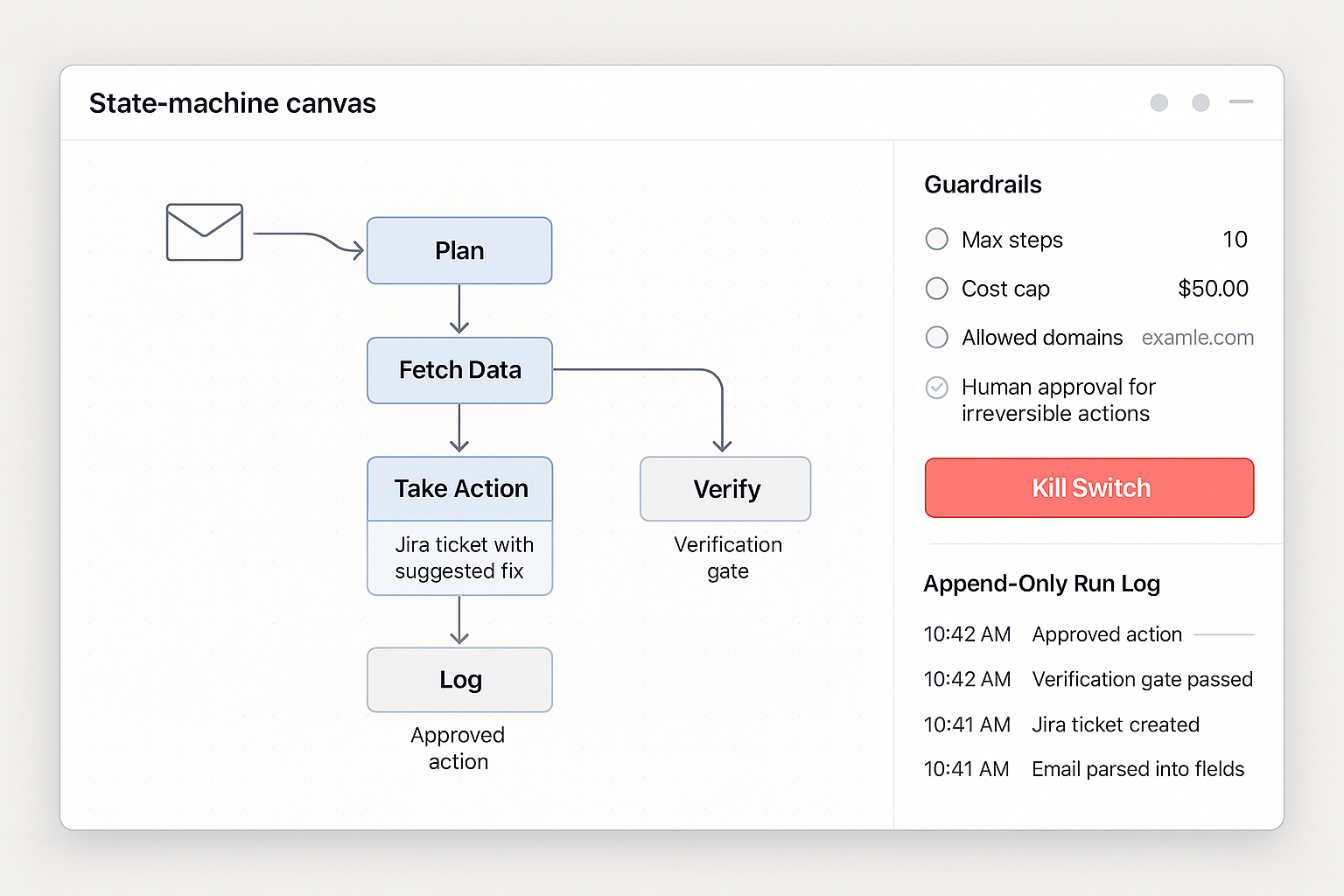
What I’d do: write the workflow as states first. Plan, fetch data, take action, verify, log, notify. Keep the tool menu tight with explicit inputs and outputs. No freestyling.
Security finally caught up
On Feb 17, 2026, Palo Alto Networks said it would acquire Koi to harden agentic AI. It’s not flashy, but it matters most. Agents expand the attack surface with prompt injection, tool misuse, and data leakage. If the security giants are investing here, so should we.
Why I care: you don’t need a SOC to be safe, you need sane defaults. Rate limit tools, sanitize and validate inputs, and keep sensitive data out of memory unless absolutely needed. Treat third-party plugins as potentially hostile.
I add three things today for safety: input sanitization for anything fetched from the web, role-based permissions on tools, and a kill switch when cost, time, or actions spike.
What I’d do: add three things today: input sanitization for anything fetched from the web, role-based permissions on tools, and a kill switch that stops the run if cost, time, or action count crosses your limit.
Models got more agent-ready
On Feb 17, 2026, Alibaba introduced Qwen3.5 with agentic capabilities. I’m not here to argue benchmarks. The win is choice. More agent-aware models usually mean better function calling, fewer hallucinations in structured tasks, and friendlier costs for tinkering.
Why I care: stability beats cleverness in long chains. I want models that stick to schemas and follow instructions when juggling multiple steps.
I favor stability over cleverness in long chains and choose models that stick to schemas.
What I’d do: skip creative prompts and go straight to tools. Give the model two functions with strict JSON signatures, ask it to plan, call, and verify, then watch retry rates and error handling. That tells you more than any score.
Back office is getting real upgrades
On Feb 18, 2026, NVIDIA highlighted India’s GSIs building enterprise agents that actually resolve tickets, cite sources, and handle RPA-style work without crumbling when the UI shifts.
Why I care: if you’ve fought brittle RPA, you know the pain. Agents with structured tools and knowledge bases are more resilient, which lets a first automation aim beyond drafting emails into resolving outcomes.
Quick primer: what makes an agent an agent
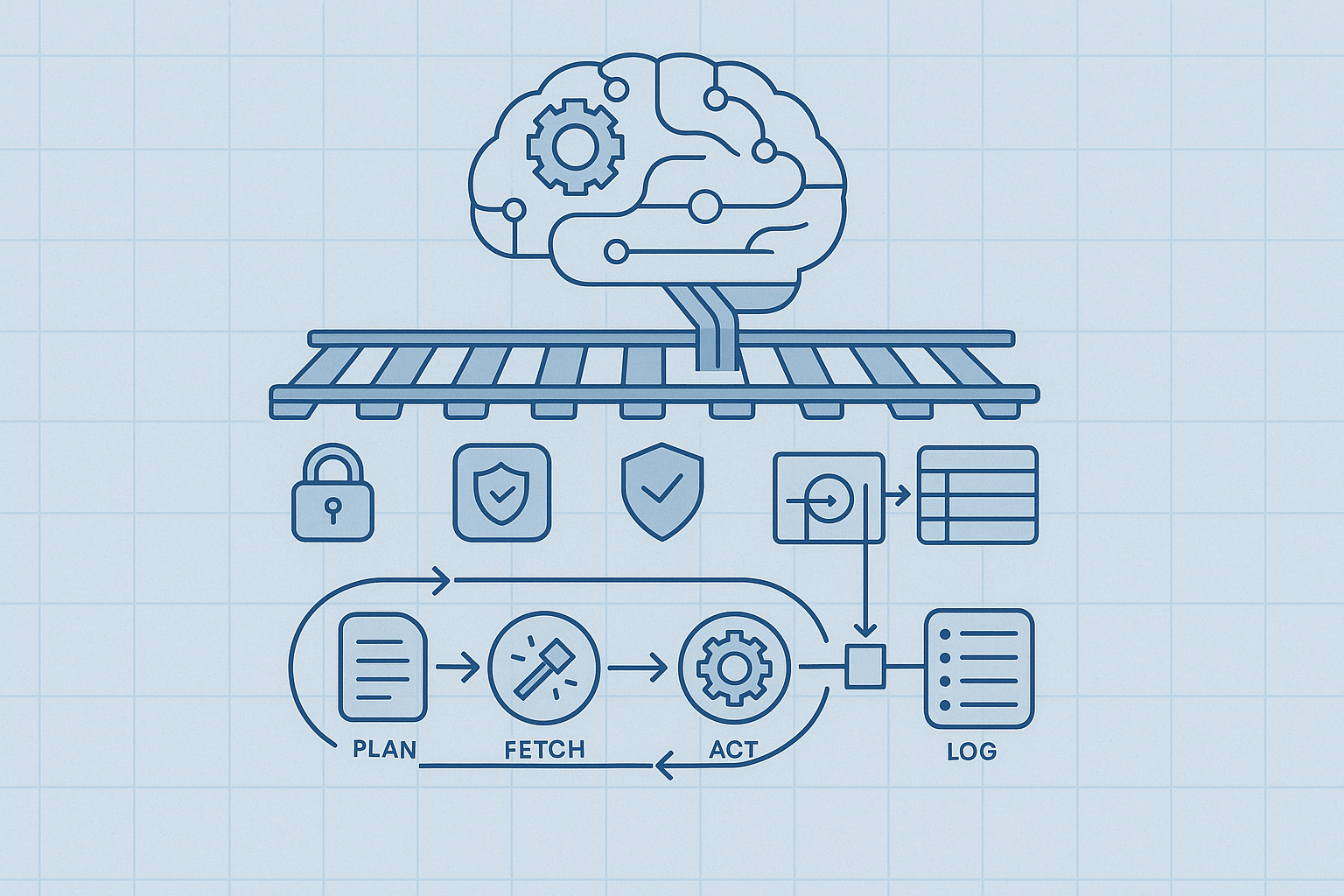
Before I build anything, I give the agent a brain and rails. The brain is reasoning and planning. The rails are permissions, guardrails, and logging. Both matter. I’ve broken plenty of flows by hoping a smart model could cover for bad boundaries. It can’t, and it shouldn’t.
Exactly how I’d start this week
I like 7-day sprints for first builds. Keep it small, shippable, and observable. Here’s the version that actually lands:
I keep first builds small, shippable, and observable so I can ship the version that actually lands.
- Pick one workflow you do 10 times a week, like turning customer emails into Jira tickets with suggested fixes.
- List the tools with strict inputs and outputs, then test function-calling accuracy on your exact schema.
- Design the state machine: plan, fetch, act, verify, log. Make verification explicit with a second check.
- Add guardrails: max steps, cost cap, allowed domains, and human approval for irreversible actions.
- Shadow launch for 2 days, then enable auto for low-risk cases only and watch the logs.
What beginners usually get wrong
Letting the agent guess
If your schema is squishy, your outputs will be too. Be painfully explicit. Required fields, types, and a couple of failing examples for each tool help a lot.
No second opinion
Verification isn’t optional. Re-check with a different tool or query before committing. If the second opinion disagrees, send to human review automatically.
Skipping the audit trail
Every action needs who, what, when, and why. When something gets weird, you’ll be glad you can replay the chain.
FAQ
What is agentic AI in simple terms?
Agentic AI is software that plans and takes actions to finish a task. It picks tools or APIs, checks its work, and keeps going until it reaches the goal. Think less chat and more outcome.
Is agentic AI safe for beginners?
Yes, if you set sane defaults. Limit tool permissions, sanitize inputs, mask sensitive data, and require human approval for high-impact actions. Logs and kill switches are your safety net.
Which model should I try first?
Choose a model that follows schemas and handles tools reliably. With Qwen3.5 announced on Feb 17, 2026, we’re getting more agent-aware options. Test on your exact function signatures and watch error handling, not poems.
How do I prevent prompt injection?
Strip and validate inputs, never execute untrusted content directly, and separate planning from action with clear tool contracts. Assume anything fetched from the web might be adversarial.
What small project should I build first?
Pick a workflow you already own end-to-end, like email-to-ticket with draft responses and suggested fixes. It’s repeatable, measurable, and safe to supervise before you flip to auto.
How this week changes my roadmap
Payments pilots mean approvals and logging are the new normal around money. Infosys and Anthropic’s push into BFSI and manufacturing reminds me to build agents as orchestration layers, not monoliths. Palo Alto’s move pushes security to a first-class feature. Qwen3.5 raises the bar on tool use. NVIDIA’s spotlight nudges me to aim for resolution, not just response, even in small projects.
My final nudge
If you’ve been waiting for a sign, this was it. Build one tiny agent that finishes a real task, ship it safely, and iterate. Keep your hand on the brake, but start rolling. That’s the sweet spot for beginners with agentic AI right now.