
I chased the agentic AI news so you don’t have to
Agentic AI is finally breaking out of the lab. Over coffee this morning I kept seeing the same pattern across infrastructure, payments, hospitals, and dev tooling. It isn’t hype anymore, it’s landing in the stack and moving fast.
Agentic AI is finally breaking out of the lab. Over coffee this morning I kept seeing the same pattern across infrastructure, payments, hospitals, and dev tooling. It isn’t hype anymore, it’s landing in the stack and moving fast.
Quick answer: On March 13, 2026 a cluster of updates signaled real momentum for agentic AI: CPUs reclaiming orchestration work in data centers, Visa and Santander piloting agentic payments, Docker-level controls hardening trust, China rallying around an OpenClaw platform, and radiology emerging as healthcare’s launchpad. If you’re starting now, you can ship value without a giant GPU budget.
I can ship value without a giant GPU budget if I start now.
The quiet CPU comeback in AI data centers
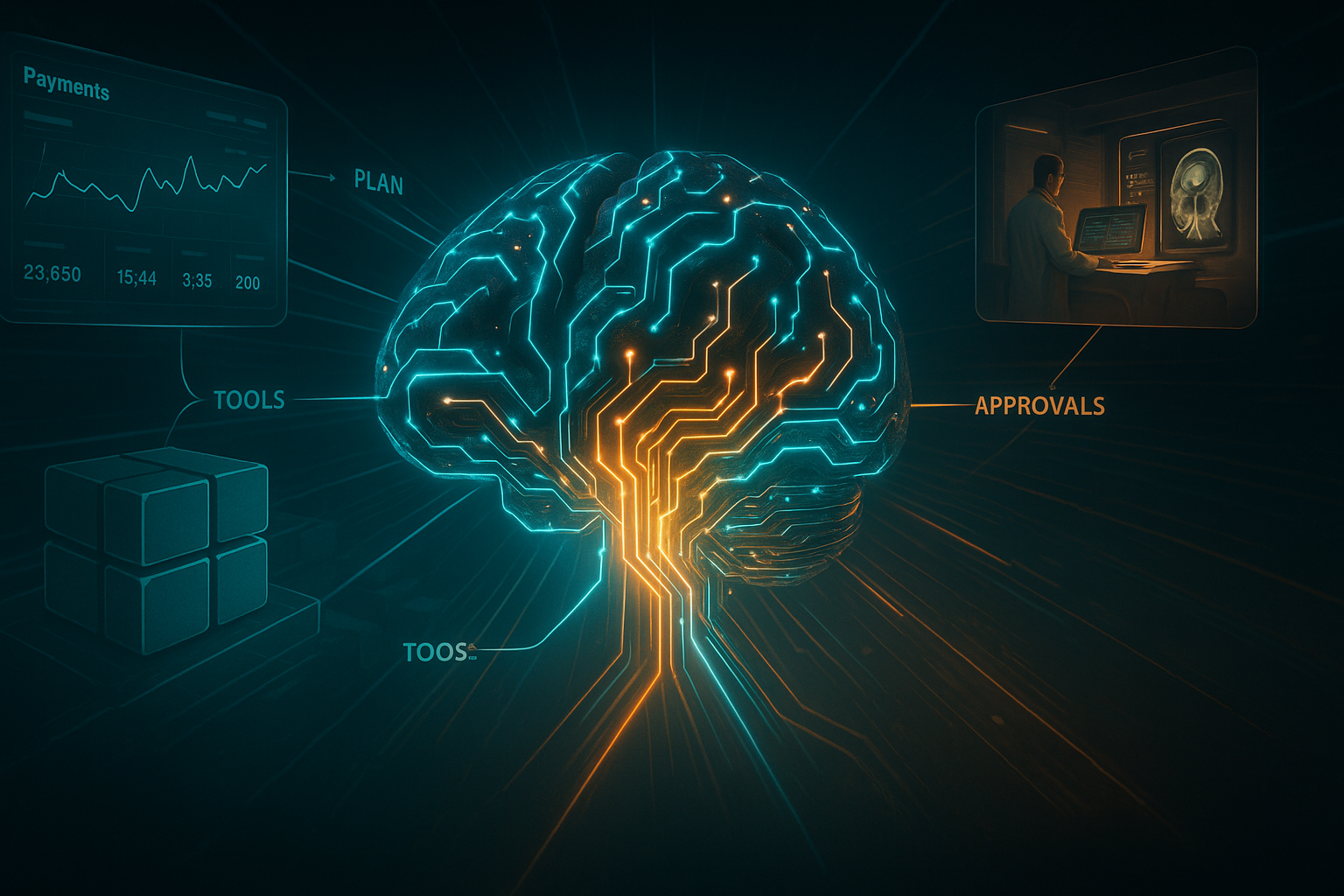
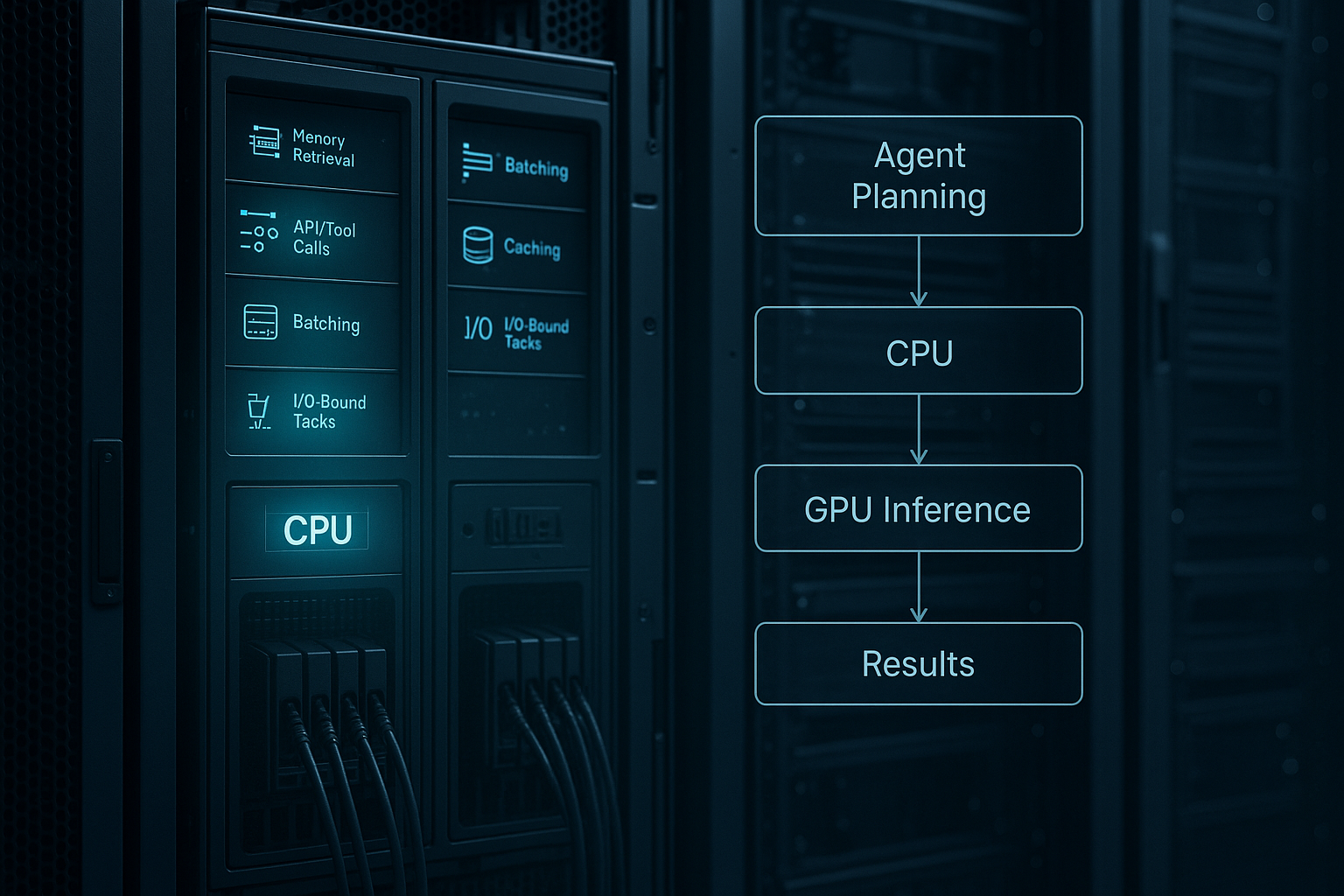
On March 13, 2026 AMD highlighted how agentic AI is pushing fresh attention back to CPUs in the data center. It matches what I see in my own builds. Agents plan, call tools, hit APIs, search, and run long workflows. That orchestration is very CPU flavored.
I design agents to plan, call tools, hit APIs, search, and run long workflows.
If you’re building agents, your stack won’t be GPU only. GPUs will crush model inference, but the agent brain often lives on CPUs that juggle memory, retrieval, and a flood of tool calls. Basic wins like smarter batching, caching, and IO-bound task handling on CPU cores can make everything feel 10x snappier before you even touch the model.
Payments are going agentic faster than I expected
Also on March 13, 2026, Santander began testing agentic AI payments in Latin America with Visa. That’s not a toy demo. When mainstream rails experiment with agents, we move from novelty to real workflows.
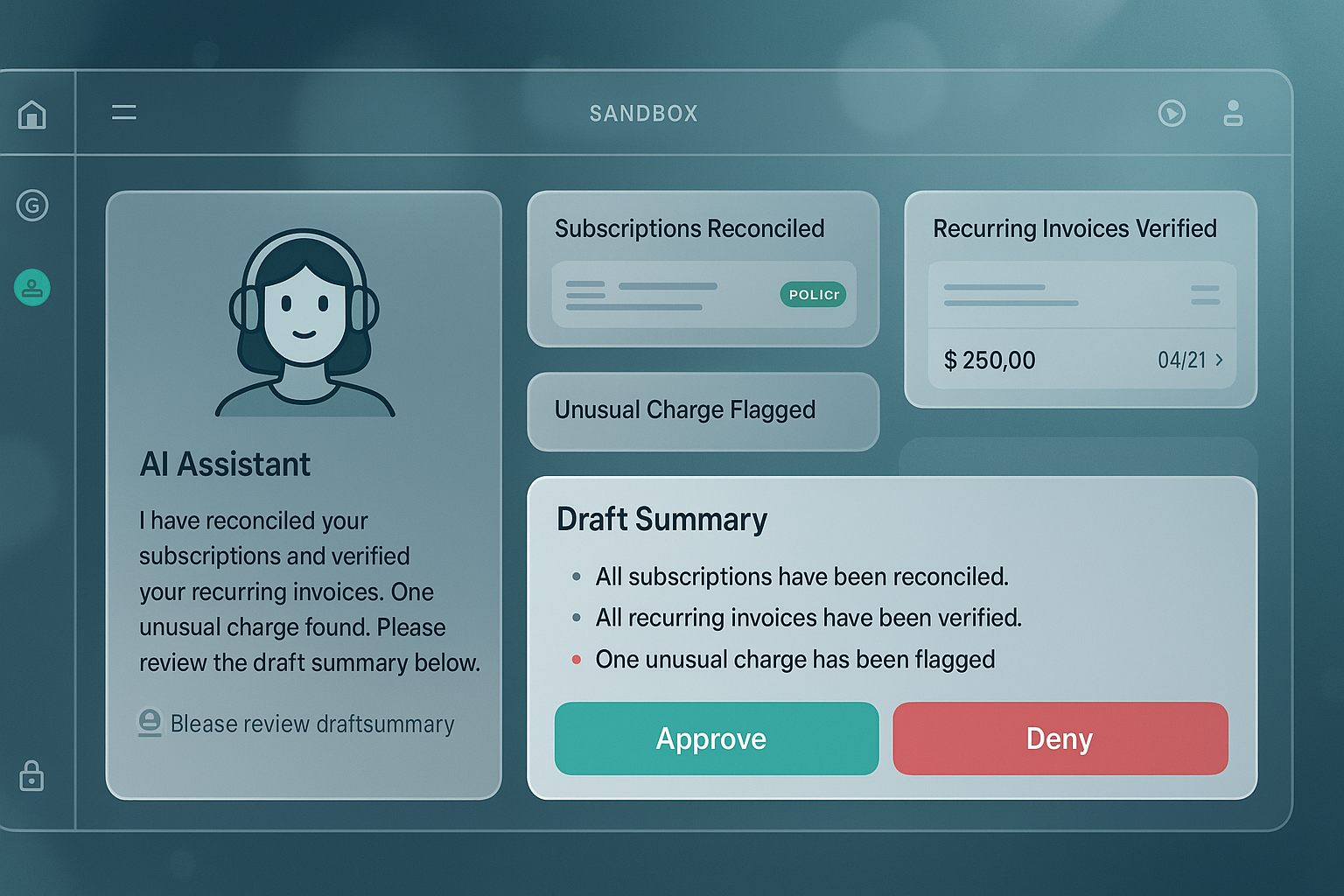
The first wins won’t be magic shopping concierges. They’ll be the boring but critical flows we forget or avoid: verifying a recurring invoice, reconciling subscriptions, catching unusual charges, or splitting expenses across cards. With clear guardrails, agents excel at repetitive middle-office work.
I target the boring but critical flows first, like verifying recurring invoices, reconciling subscriptions, and catching unusual charges.
If you’re new, start safely. Prototype a payments-adjacent agent that never touches real money. Have it read invoices, match transactions against a CSV export, and draft a report with a human in the loop. You’ll learn the patterns without the risk.
For context, here’s the coverage I saw on the exact date: Visa x Santander agentic payments.
Real trust is landing at the DevOps layer
Same day, I caught an update about NanoClaw integrating with Docker to bring more trust to AI agents. My translation: we’re finally treating agents like software that needs isolation, policies, and auditability. Honestly, overdue.
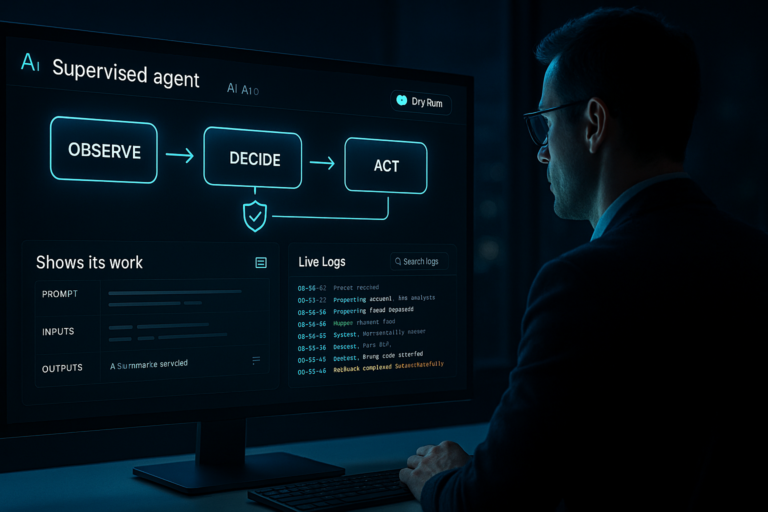
Containerizing agents sounds unsexy, but it saves you later. You can pin dependencies, restrict network egress, lock down file access, and ship signed images. Instead of hoping your prompt prevents a bad tool call, you enforce what the container can do in the first place. If you’ve never tried it, this is your nudge.
I treat agents like software: containerize, lock down permissions, and sign images so trust is enforced by the system.
Here’s the piece I saw on March 13, 2026: Docker integration for agent trust.
China’s OpenClaw is a signal for builders
Also on March 13, 2026, Alibaba launched the OpenClaw app to fuel China’s agentic AI boom. Even if you never ship there, pay attention. When a big ecosystem rallies around an agent platform, we all benefit from the gravity it creates: more frameworks, examples, and standardized patterns.
I’m watching how conventions settle around tool definitions, memory management, and multi-agent coordination. Stable patterns beat chasing five incompatible frameworks. If you’re learning, pick one framework, stick with it, and ship something end to end.

Healthcare’s first real agentic win looks like radiology
On March 13, 2026, Healthcare IT voices made a solid case that radiology is the launchpad for agentic AI in healthcare. It makes sense. Radiology is data rich, workflow heavy, and already very digital. If you want throughput gains without touching final clinical judgment, this is the spot.
I start with radiology if I want throughput gains without touching final clinical judgment.
Where agents can help first: pulling priors, organizing findings, drafting structured reports, coordinating follow ups, and flagging missing pieces that delay diagnoses. Every clinician I talk to says the bottleneck is coordination, not just expertise. Agents love coordination.
What I’d actually ship this weekend
I learn fastest when I build something tiny that touches the real stack. If you want a no excuses starter plan, here’s what I’d do right now.
- Containerize a simple agent with one tool, like reading a CSV, and lock down network and file writes.
- Build a CPU-first orchestrator and measure where time goes. Optimize batching, caching, and retries.
- Mock a payments flow using test data, reconcile, and draft a human-readable summary with approvals.
- Simulate a radiology-like workflow on documents: fetch priors, extract fields, structure a summary, request missing info.
The pattern I keep seeing
Agentic AI isn’t breaking through with one giant leap. It’s sneaking into the parts of the stack we took for granted: CPUs coordinating the hard bits, payment rails opening controlled doors, containers setting guardrails, national ecosystems accelerating patterns, and vertical workflows that welcome a tireless assistant.
If you’re early, that’s good news. You don’t need a monster GPU budget or a research paper. You need taste for workflow design, a little DevOps discipline, and the courage to ship one tiny agent that solves a boring problem well.
FAQ
What is agentic AI in simple terms?
It’s AI that can plan, decide, and take actions through tools or APIs, not just generate text. Think of it as an orchestrator that uses models plus software skills to reach a goal, with policies and approvals in the loop.
Do I need GPUs to build agentic AI?
Not to start. GPUs help with heavy model inference, but much of the agent brain runs on CPUs for planning, retrieval, and tool calls. Optimizing that CPU path often delivers the biggest early win.
Are agentic AI payments safe?
They can be, if you keep strict guardrails. Use sandbox data, approvals for any action, and clear policies. The interesting part is that on March 13, 2026, Visa and Santander publicly piloted this direction, which signals growing confidence in the model.
How do I trust an AI agent in production?
Treat it like software. Containerize it, lock down permissions, sign images, and log every decision. Don’t rely on prompts to prevent bad tool calls. Enforce capabilities at the OS and network level.
Where should I start this weekend?
Pick one framework, one cloud, and one boring workflow. Containerize, measure CPU-side bottlenecks, and add a human in the loop. Ship a tiny v0, learn, then iterate.